Read More



HKO forecasts showers Tuesday, tracks possible cyclone east of Philippines
21-09-2026 17:31 HKT
John Lee and CY Leung lead pallbearers for Tung Chee-hwa
20-09-2026 15:54 HKT


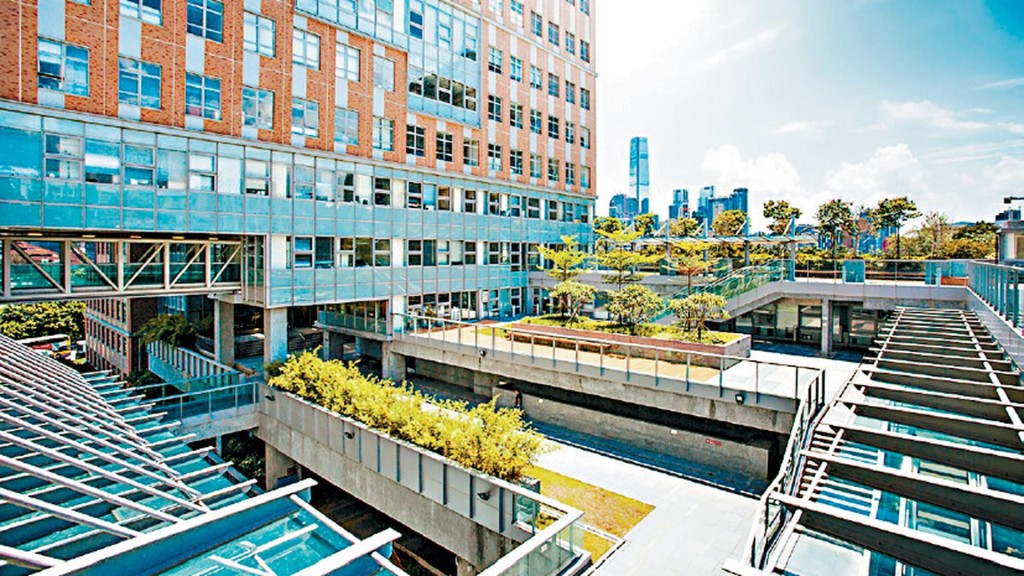
As global struggles to peak emissions continue, Hong Kong offers a blueprint for balancing economic vitality with climate action.
Hong Kong is charting a credible, measurable path toward its 2050 carbon neutrality goal, turning ambition into tangible results. In 2024, the city achieved a milestone many developed economies still strive for: greenhouse gas, or GHG, emissions fell to a historic low, proving that economic vibrancy and emission reduction can coexist. According to the Environment and Ecology Bureau, total emissions dropped 3.6 percent to 33.2 million metric tons of carbon dioxide equivalent, with per capita emissions reaching a record low of 4.41 tonnes. This figure is a stark contrast to global averages, standing at roughly a quarter of the United States’ per capita output and 60 percent of the European Union’s level.
This achievement is particularly significant because it defies a common post-pandemic fear. While emissions dipped during periods of reduced activity, 2024 saw the city’s energy and economic life resume, yet emissions remained on a downward trajectory. This indicates that the reductions are structural, not circumstantial. The progress stems from a strategic, multi-sector approach targeting the city’s core emission sources.
Like Singapore and Taiwan, Hong Kong relies on imported energy. Power generation remains its largest emissions source, making the energy mix pivotal. The city’s sustained emissions decline is rooted in a deliberate shift from coal to natural gas and, crucially, zero-carbon sources. Today, nuclear and renewable energy constitute about a quarter of the fuel mix. While natural gas remains a major bridge fuel, the consistent phase-down of coal is a critical, ongoing task. This calculated transition demonstrates that urban centers can redesign their energy backbone even without domestic fuel sources.
Hong Kong is also addressing its dense urban fabric. The building sector is being transformed through green construction – using low-carbon materials, reducing concrete, integrating solar energy storage, and implementing smart electricity management. However, the challenge of retrofitting countless older, inefficient buildings remains a substantial hurdle for future gains. Transportation innovation is also advancing. Alongside the push for electric vehicles, the city is exploring future fuels like hydrogen for commercial vehicles, methanol for ships and sustainable aviation fuel for aircraft, addressing hard-to-abate sectors essential to its global hub status.
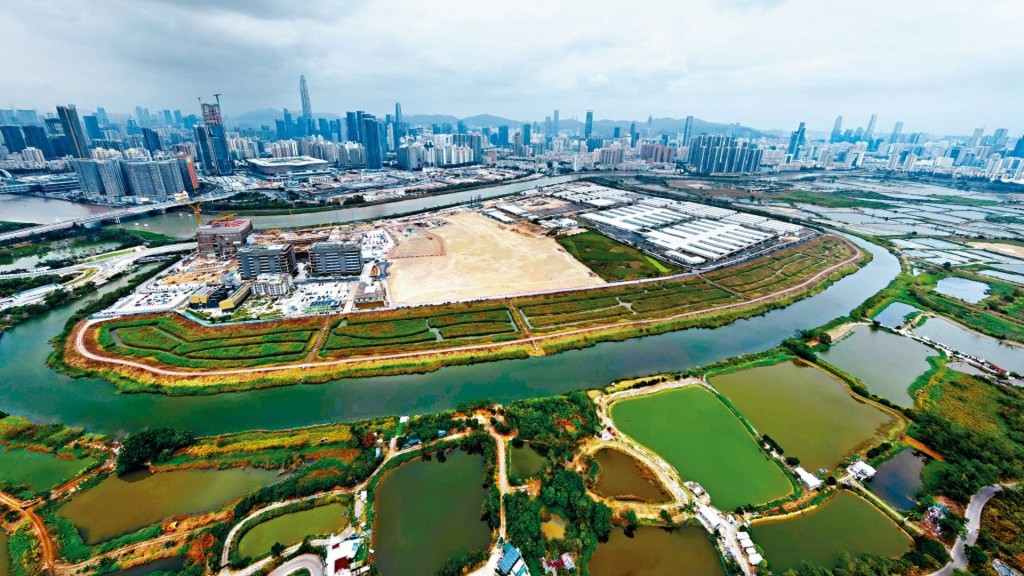
Despite commendable progress, the journey to 2050 demands bolder moves. Accelerating the adoption of smart meters across all buildings, piloting micro-grids in new development areas like the Northern Metropolis, and massively scaling up renewable energy integration are essential next steps. These technologies promise greater resilience and efficiency, moving from gradual reduction to systemic transformation.
Hong Kong’s trajectory offers a powerful global lesson. The city’s emissions peaked back in 2014 and have fallen consistently since. In contrast, many developed economies – let alone developing ones – have yet to achieve their emission peaks, despite identical 2050 net-zero pledges. Hong Kong’s experience underscores that early, sustained action on energy transition and urban planning is not just an environmental imperative but a feasible one. It provides a working model for megacities worldwide: a blueprint that balances economic vitality with climate responsibility, proving that the net-zero path, while steep, is navigable with consistent policy and innovation.