Read More
In a stark contrast of global strategies, the United States appears to be doubling down on a path of coercive diplomacy and military aggression.
ADVERTISEMENT
SCROLL TO CONTINUE WITH CONTENT
US’ planning against nations like Mexico, Colombia, and even considering action over Greenland, alongside the dramatic capture of Venezuelan President Nicolas Maduro, paint a picture of a hegemon consolidating power through force.
From Seoul to Ottawa: a thaw in relations with former US alignments
Concurrently, with soaring military budgets, the US signal is one of confrontation. This aggressive posture, however, is creating a powerful counter-current: a strategic opportunity for China to position itself as a stabilizing and friendly alternative on the world stage.
China’s diplomatic calendar tells the story. Following high-level visits from South Korean President Lee Jae Myung and Irish Prime Minister Michael Martin, Canadian Prime Minister Mark Carney’s trip to Beijing is particularly symbolic.
Both South Korea and Canada are traditional US security allies. China’s responsive, economic-focused diplomacy offers a path to repair and rebalance.
These visits suggest that for many nations, unwavering alignment with US foreign policy demands is no longer a given, especially when it comes at a significant cost to their own economic and diplomatic interests.
The narrowing circle: US alliances and China’s expanding reach
The current US administration seems to be consolidating its core alliance circle tightly around a few key partners like Israel and Japan. While strong, this inward focus inevitably leaves a vast diplomatic landscape between Washington and other capitals.
This is precisely China’s room to maneuver. For nations across Latin America, Southeast Asia, Europe, and Africa, witnessing US unpredictability, they are incentivized to diversify their partnerships.
China’s Belt and Road Initiative and its narrative of non-interference and win-win cooperation become increasingly attractive propositions in this climate.
An uncertain April and the path forward
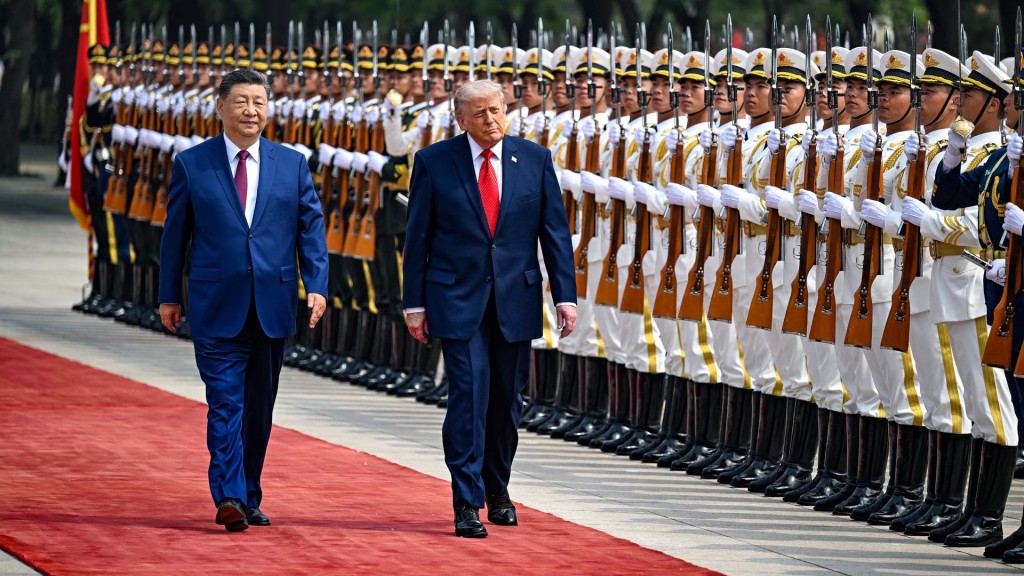
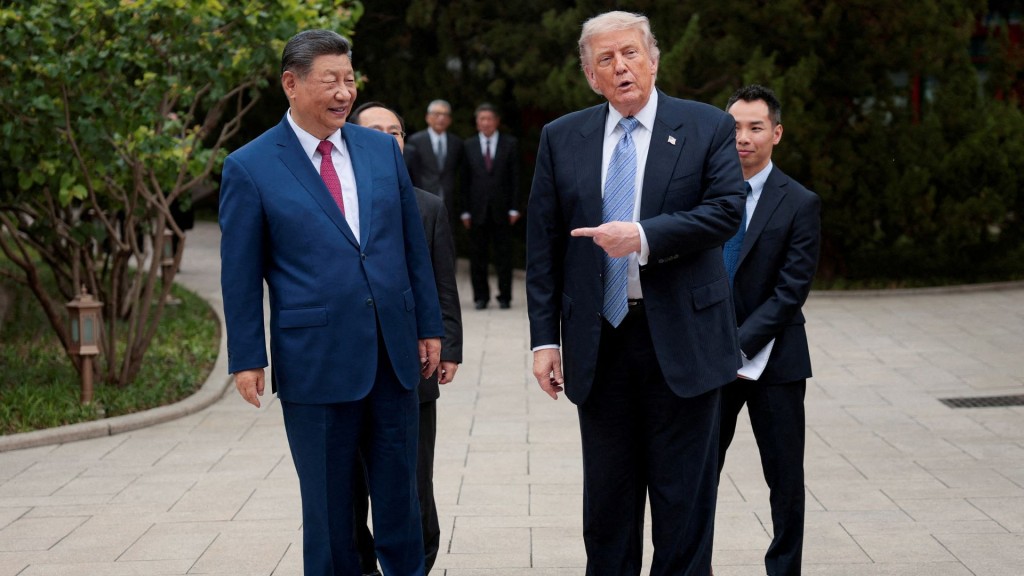
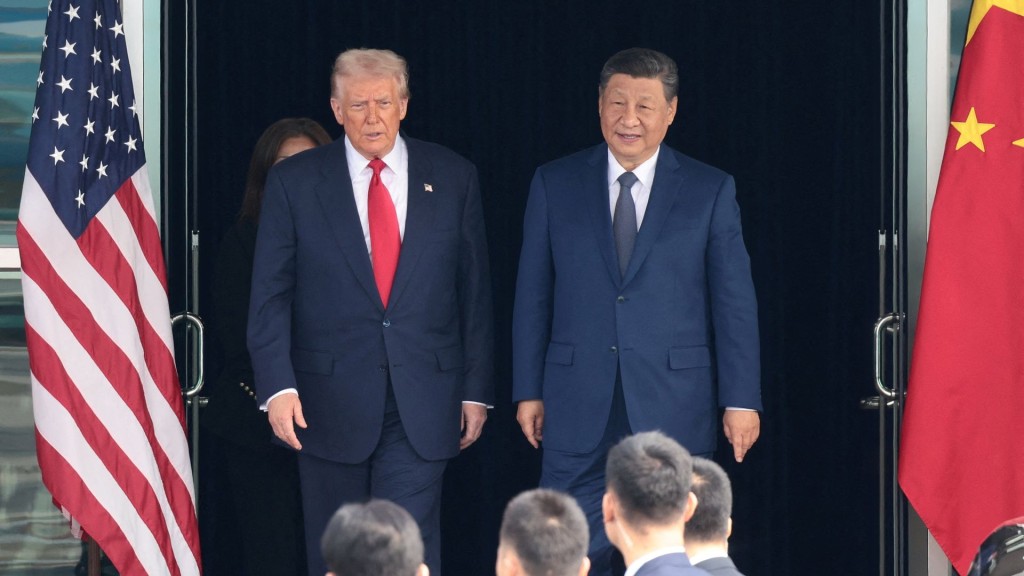
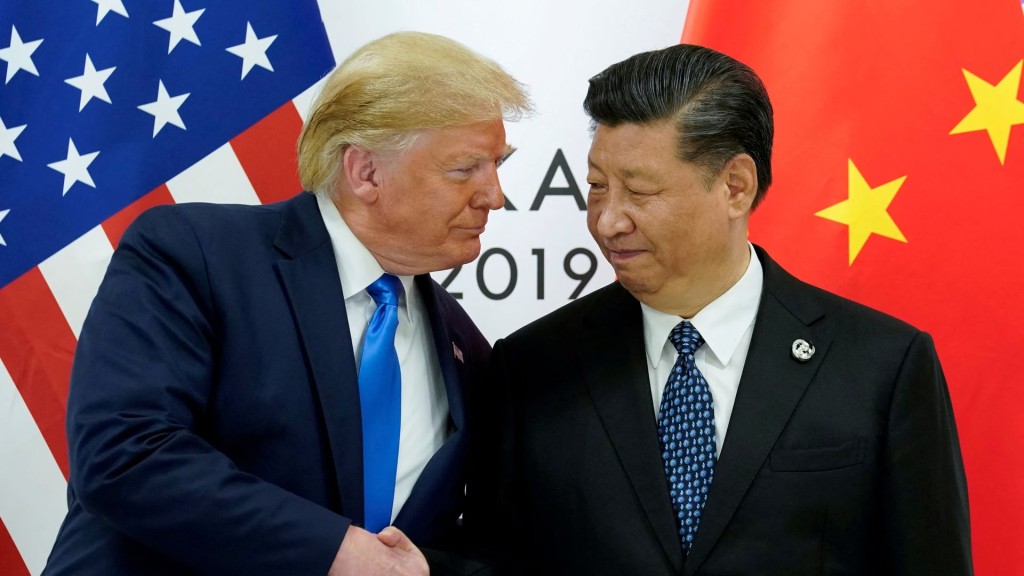
The uncertainty surrounding a potential US President Donald Trump visit to Beijing in April mirrors the broader unpredictability of Sino-US relations.
Yet, this very instability accelerates the global recalculation. As the US flexes military muscle, China is flexing its diplomatic and economic outreach, building bridges where America builds walls.
The long-term implication is clear: a world less dominated by a single power’s diktat.
Nations are being compelled to choose not between blocs, but between a strategy of fierce confrontation and friendly connectivity.
In this new global dynamic, America’s aggression may be inadvertently fueling China’s rise as a diplomatic counterweight, reshaping alliances one friendly handshake at a time.