Read More








The global race toward the 2050 net-zero target has catalyzed a profound shift in energy policy, with nations increasingly turning to nuclear power as a stable, cost-efficient, and decarbonized energy source.
Long shadowed by historical accidents and its weaponization potential, nuclear energy is now being reevaluated as indispensable – especially amid rising electricity demands driven by artificial intelligence and digital transformation.
Innovations like small modular reactors and advances in fusion technology are reigniting interest, prompting even traditionally skeptical countries like Germany to soften their stance. China and France are positioning themselves as nuclear leaders, alongside Hong Kong which aims to increase its use of nuclear power, and Singapore which is seriously exploring atomic and fusion energy.
Yet, just as this precarious consensus forms, Japan – a nation intimately scarred by nuclear tragedy – has unleashed a wave of destabilizing signals that threaten to undermine global confidence.
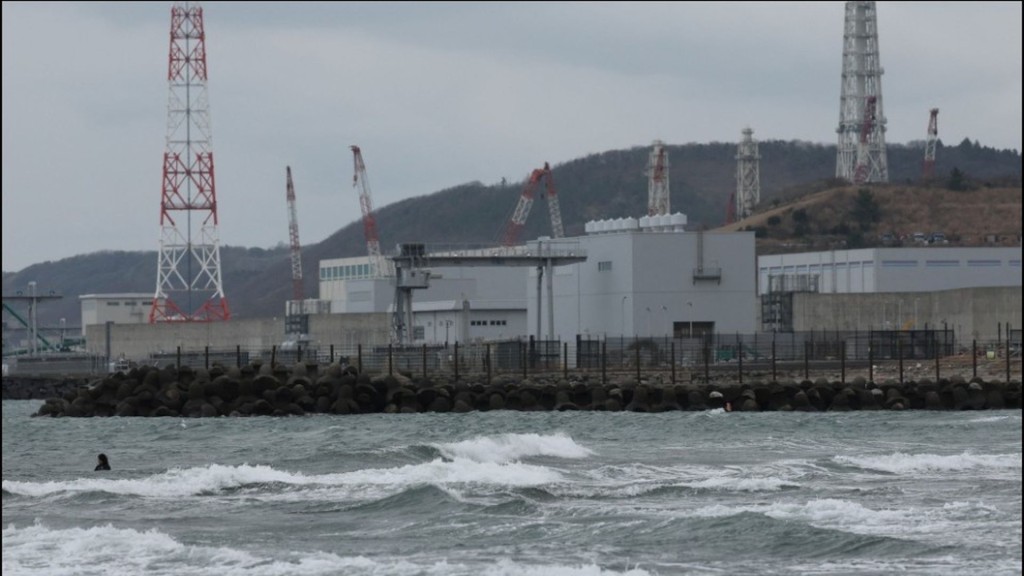
This came when NHK reported yesterday that Japanese nuclear regulation officials said water with radioactive tritium has leaked at reactor decommission site in Fukui, central Japan.
Recently, an official from Japanese Prime Minister Sanae Takaichi’s national security office provocatively suggested that Japan should consider possessing nuclear weapons. The statement stands in stark contrast to the immediate rebuttal from former Prime Minister Shigeru Ishiba, who warned that such a move would force Japan out of the Non-Proliferation Treaty and the International Atomic Energy Agency’s oversight, crippling its peaceful nuclear energy framework.
This internal clash arrives alongside a landmark step in Japan’s energy policy: the governor of Niigata prefecture has endorsed restarting the Kashiwazaki-Kariwa plant, the world’s largest nuclear facility, for the first time since the 2011 Fukushima disaster.
For the international community, these parallel developments are not merely Japan’s issues – they are deeply disruptive. Japan’s debate on nuclear weaponization reintroduces a perilous political ambiguity into the atomic discourse precisely when the world seeks to delineate clean energy from proliferation risks. Meanwhile, restarting mammoth reactors, while a logical step for Japan’s energy security, revives visceral public fears globally.
The world cannot afford ambiguity from a technological heavyweight like Japan. As nations embrace nuclear power to decarbonize, clear boundaries between peaceful energy and weaponry must be upheld. Japan has both the historic responsibility and the technical expertise to lead by example, advancing safe, transparent nuclear energy while unequivocally rejecting proliferation talk. The path to 2050 net-zero is complex enough without revived specters of arms races and Fukushima-era anxieties. For the sake of global climate and security, Japan’s actions must inspire trust, not turmoil.