Read More






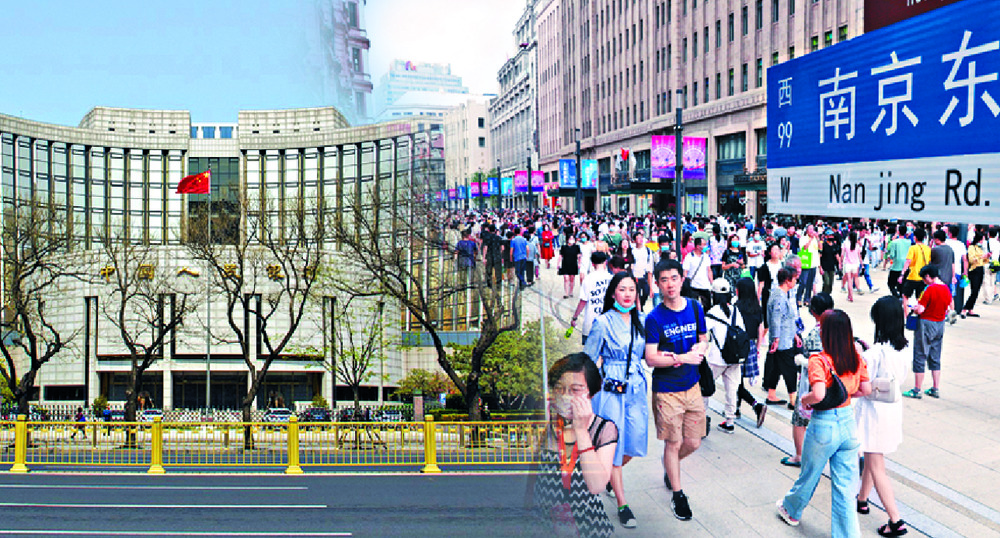
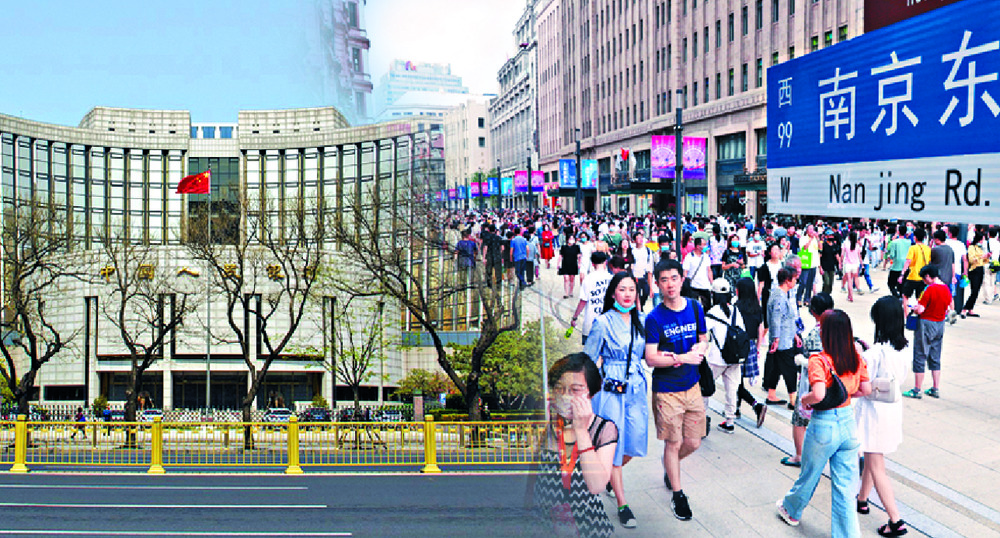
Prior to the People's Bank of China announcement, the State Council had already hinted that more liquidity would be made available to banks so that they could lend to small companies.
In Hong Kong, the Hang Seng Index shed about 800 points, defying the conventional wisdom that more liquidity would mean more capital from the north to prop up the market.
Investors seemed to be cautiously optimistic that, after some sell-offs, party time could be returning.
That is despite concerns that a swift and drastic step to release 1 trillion yuan (HK$1.2 trillion) into the financial system by reducing the amount of cash that most banks must keep in reserve could also imply worrying economic downsides that Beijing policymakers are keen to preempt.Market punters will be delighted with the shift away from policy tightening, but the situation overall stands to be more than that.
Since the beginning of the year, the People's Bank has pursued a policy of tightening liquidity supply at a time when other governments have stepped hard on the accelerator to print money to stimulate their respective economies.For example, the US passed bills to spend record amounts of dollars to stimulate recovery.
Naturally, the excessive supply of money also fueled inflation.The Chinese central bank is moving to ease its tightening policy, but it would be imprudent to interpret this as a change of heart in Beijing.
The credit crunch that is forcing real estate developers into trouble and the regulatory curbs on internet companies that possess the personal data of millions of customers will remain in place.The lowering of the reserve requirement ratio will unlikely benefit sectors currently coming under state regulatory crackdown. So why the ratio reduction at this point in time?
The ratio cut will become effective just as the central government announces economic data for the second quarter this week.The market consensus has been that, although growth will not be as buoyant as in the first quarter, it will still be remarkable.
Beijing may also be concerned about what is happening internationally.For example, the US Federal Reserve has been discussing the idea of narrowing the bond-buying program to pave the way for an exit from the pandemic stimulus.
An exit at short notice could be a nightmare - if not a repeat of the 1997 financial disaster that hit some Asian governments.Could Beijing be building a buffer in anticipation so that it will not be caught off guard?
The local stock market was lively earlier this year due to capital flowing in from the north, which had slowed conspicuously.The reduction in the reserve requirement ratio certainly offers breathing space- but don't get over excited.