Read More
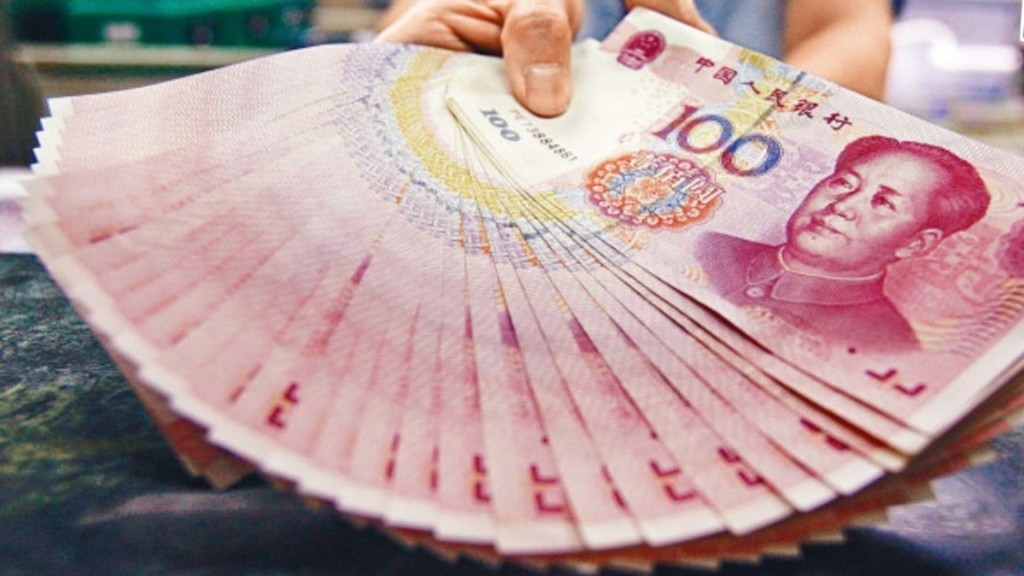
Hong Kong’s status as a premier global financial center is built on the foundation of free capital flow coupled with a trusted legal system. However, this very openness presents a dual challenge: attracting investment while vigorously defending against illicit finance. As the city aggressively courts institutional investors and family offices, reinforcing its anti-money laundering frameworks is not just a regulatory task – it is a critical mission to protect the city’s economic integrity and international reputation.
ADVERTISEMENT
SCROLL TO CONTINUE WITH CONTENT
A lucrative hub presents a moving target
The core of Hong Kong’s appeal is its status as a free port, facilitating the seamless movement of capital that fuels business and innovation. Yet, this attractive environment can also be exploited by criminals seeking to legitimize their funds. The Hong Kong Police and financial regulators have repeatedly demonstrated their capability to crack down on sophisticated money-laundering schemes, targeting both local criminal syndicates and international networks. These enforcement actions are crucial, but in a dynamic financial landscape, a reactive stance is insufficient. The system must be proactively fortified to stay ahead of evolving threats.
The influx of capital demands enhanced vigilance
The recent push to attract global wealth, particularly through family offices, is a key pillar of Hong Kong’s post-pandemic economic strategy. While this is a welcome development, it necessitates enhanced due diligence. High-profile cases underscore this need for caution. For instance, the scrutiny around Prince Group and its chairman, Chen Zhi, by international regulators highlights the complex nature of cross-border capital. While Singapore offered tax incentives to family offices linked to Chen’s group, Hong Kong’s slightly later market reopening provides a valuable opportunity to integrate stronger safeguards into its growth playbook.
Striking the balance for sustainable growth
The path forward requires a delicate balance. Hong Kong must continue to champion its free market principles to attract capital that drives growth. However, this cannot come at the expense of its financial security. Regulators and authorities must now implement even more robust “know-your-customer” checks, promote greater transparency in corporate structures, and foster deeper international cooperation. As more capital flows into its market, Hong Kong’s commitment to preventing itself from being used as a conduit for money laundering will be the true test of its maturity as a financial leader. The goal is clear: to build a future where prosperity and security are inextricably linked.