Read More
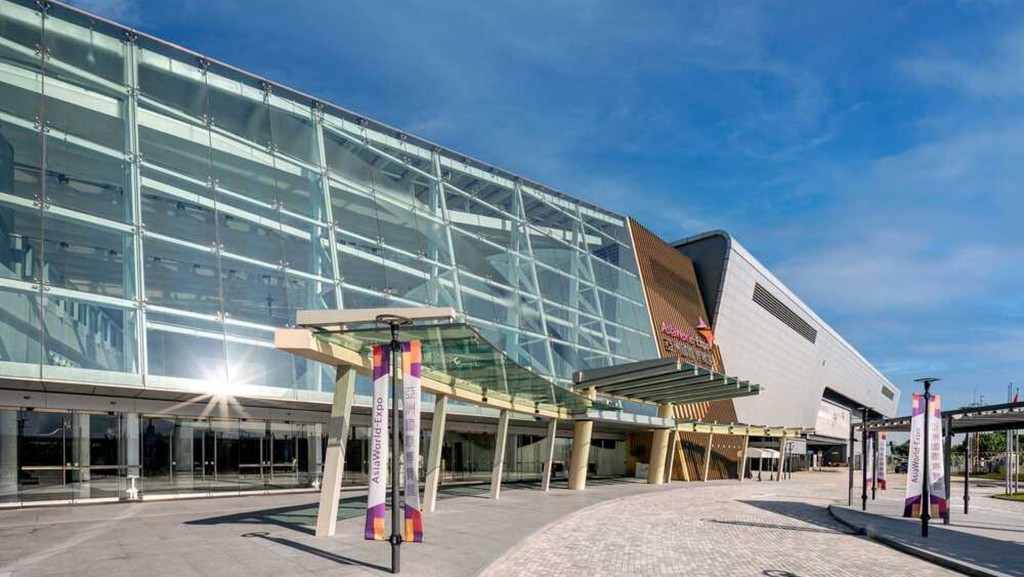
It is a common perception that AsiaWorld-Expo is situated away from Hong Kong’s bustling city center. However, this perspective is ripe for revision. When viewed through the strategic lens of the Greater Bay Area, AWE’s location is not a drawback but its greatest asset. Nestled beside Hong Kong International Airport and in the city’s western corridor toward Shenzhen, AWE is uniquely positioned to become the region’s premier hub for mega-events, trade, and entertainment. The challenge is not the location itself, but the urgency to enhance its connective infrastructure to fully realize this potential.
ADVERTISEMENT
SCROLL TO CONTINUE WITH CONTENT
The unparalleled advantage of space and scale
Hong Kong is chronically short of large, contiguous space. This is where AWE and its home on Lantau Island present an undeniable competitive edge. The planned expansion, adding over 330,000 square meters of exhibition space by 2028, is a game-changer. This vast scale makes what is impossible elsewhere in the city entirely feasible at AWE – from international aviation expos and massive tech conventions to world-tour concerts and large-scale sporting events. This capacity addresses a critical market need, allowing Hong Kong to capture a segment of the global events industry that it has previously had to cede to competitors. This space is not just about square footage; it is about the flexibility to host multiple large-scale events concurrently, creating a powerful synergy that can define Hong Kong as the undisputed capital for major gatherings in Asia.
Forging the links to become a true GBA hub
A building, no matter how large, is not a hub without seamless connections. The true transformation of AWE hinges on its integration not just with Hong Kong Island, but with the 86-million-strong consumer market of the Greater Bay Area. The focus must be on streamlining the “last mile” for travelers and exhibitors alike. Enhancing high-frequency, high-speed ferry services to the Pearl River Delta cities, optimizing cross-boundary coach routes, and ensuring flawless airport-rail-ferry-coach interoperability are essential.
Initiatives like extended visa-on-arrival facilities for international attendees traveling directly into the GBA via AWE would further cement its gateway status. The upcoming Northern Metropolis also presents a pivotal opportunity to integrate AWE into a broader economic corridor, linking it directly with the innovation and manufacturing power of Shenzhen’s Qianhai and Nanshan districts.
A strategic imperative for Hong Kong
Investing in AsiaWorld-Expo’s external connectivity is not merely an infrastructure project; it is a strategic investment in Hong Kong’s economic future. By leveraging its unique assets – unmatched space, airport adjacency, and proximity to Shenzhen – AWE can evolve from a successful venue into a powerful economic node. It can serve as the primary “front door” for international events entering the GBA and the “launchpad” for mainland Chinese brands going global.
This will generate substantial economic spillover effects, benefiting hotels, retail, logistics, and professional services across Hong Kong. The time is now to double down on this vision, ensuring that by 2028, the hardware of the expansion is matched by the software of world-class, region-wide connectivity. The future of Hong Kong’s MICE industry and its role in the GBA depends on this critical synergy between space and connection.