





Read More






ImmD crackdown targets moonlighting domestic helpers arresting 17
19-05-2026 17:52 HKT

One dead, four injured in Jordan flat fire, 200 residents evacuated
22-05-2026 00:48 HKT


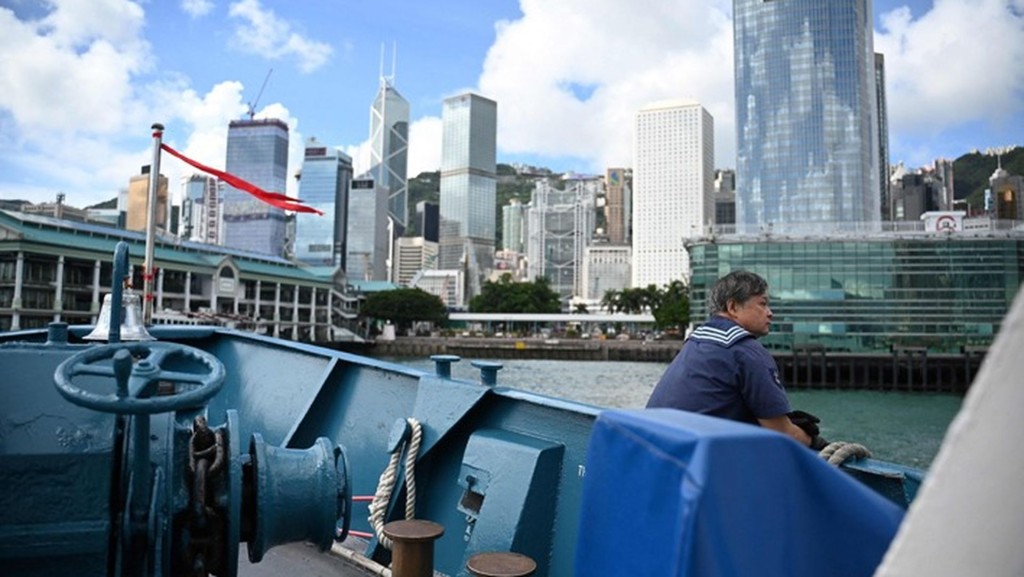
Hong Kong’s economy is not just recovering; it is outperforming its global peers. Data reveals a robust bounce-back, positioning the city as a standout performer among developed economies. However, the true measure of this success lies not in GDP figures alone, but in whether this prosperity translates into tangible benefits for the general public. As the city celebrates its fiscal turnaround, it must confront a critical question: is this growth inclusive enough?
The numbers are undeniably impressive. Hong Kong’s GDP grew by 3.8 percent year-on-year in the third quarter, a rate that eclipses the 2.9 percent in Singapore and the stagnating growth in European powerhouses like Germany and the United Kingdom. This surge has prompted the government to upgrade its full-year forecast to 3.2 percent. This performance is fueled by a powerful confluence of factors. As a tariff-free port, Hong Kong has become a safe haven amid global trade tensions, attracting capital and commerce. A resurgent stock market and a significant 12 percent increase in visitors in the first 10 months – including a sharp rise from new markets like the Middle East – have further supercharged trade, consumption, and tourism. The result is a landmark achievement: the city anticipates its first fiscal surplus after five consecutive years of deficits.
Despite the macroeconomic triumph, a cloud of uncertainty hangs over the average citizen. While the latest unemployment rate will be announced today, it stood at 3.9 percent for the July-September period, hovering at a three-year high. This disconnect between a booming economy and a strained labor market highlights a deeper structural issue.
Analysts point to several reasons why the public may not be feeling the recovery. The benefits are often channeled to limited sectors and high-income individuals, failing to trickle down to the masses. Furthermore, a skills mismatch means the workforce isn’t immediately able to capitalize on new opportunities especially when artificial intelligence can do most daunting tasks. Compounding this, with salaries for most jobs stagnant, some are opting to rely on savings or social welfare rather than accept low-paying work.
Hong Kong’s economic revival is a hard-won victory that deserves recognition. Yet, the goal must be broader. The government’s next imperative is to conduct a comprehensive review of the city’s social and economic transition.
Policies must be crafted to ensure that growth is not just recorded in ledgers, but felt in households. By focusing on skills upgrading, equitable wealth distribution, and creating quality jobs, Hong Kong can ensure that its economic success story becomes a shared one for all its citizens.