Read More
In a stark reversal, the US government is preparing what Treasury Secretary Scott Bessent calls “substantial announcements” to cut selected import tariffs.
ADVERTISEMENT
SCROLL TO CONTINUE WITH CONTENT
This anticipated pivot is not born of diplomatic breakthrough, but of domestic distress. The relentless impact of tariff hikes has squarely impacted American livelihoods, creating a political and economic imperative to act. The move is a clear, albeit tacit, admission that the widespread use of tariffs as a primary trade tool has been a flawed and self-defeating measure.
The kitchen table squeeze: coffee, bananas and the CPI
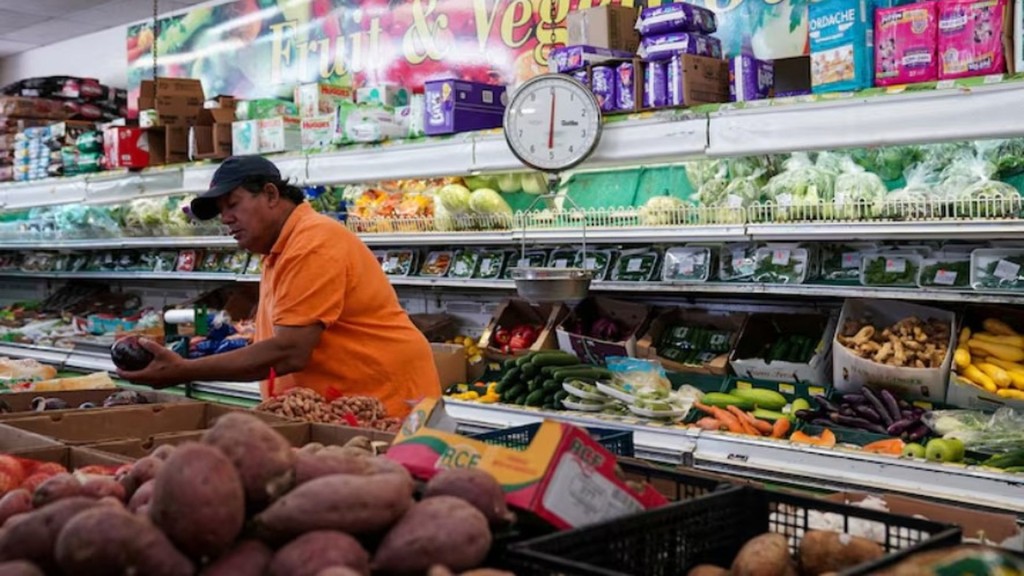
The theoretical cost of trade wars has become a very real cost at the American checkout counter. The latest consumer price index report paints a painful picture: in September, US consumers paid nearly 19 percent more for roasted coffee and 22 percent more for instant coffee than they did a year ago.
While banana prices rose nearly 7 percent, the broader category of fresh fruit saw essentially no change.
This stark disparity points directly to the targeted impact of import taxes. These are not luxury items, but daily staples. Instead of effectively punishing trading partners, the current tariff regime is punishing the American people, squeezing household budgets and fueling the very inflation it was meant to counteract.
A confusing crossroads: rebates, rates and mixed messages
The administration’s response to this self-inflicted crisis appears fragmented, sending confusing messages to both the public and the global market. Asked about those ideas, Bessent said a US$2,000 (HK$15,600) rebate check proposed by President Donald Trump would benefit those earning less than US$100,000 per year, but no decisions had been made.
This proposal highlights a political scramble to offset the economic pain. However, handing out rebates to repair damage caused by one’s own policies is an inefficient circular exercise that fails to address the root cause.
Further complicating the picture is the looming battle over interest rates. The Federal Reserve’s primary tool to combat the very inflation worsened by tariffs is to hike interest rates. Yet, there is simultaneous political pressure for rate cuts to stimulate the economy and weaken the US dollar for competitive advantage. This creates a policy contradiction that undermines economic stability and confuses international observers.
The decision to finally cut tariffs on everyday goods is a necessary, overdue step. It is a concession to economic reality – where American consumers have been paying the price for a failing strategy. The lesson is clear: when trade policy becomes a blunt instrument, it is not foreign adversaries but one’s own citizens who feel the blow.