Read More
After 41 days, the longest federal government shutdown in American history appears to be nearing a potential resolution. The Senate’s critical 60-40 vote to advance a reopening bill signals a fragile truce, but the nation is left grappling with the profound economic and social wounds inflicted during this period. While the prospect of reopening is a welcome relief, the underlying political divisions remain, and the path to full recovery will be long and arduous.
ADVERTISEMENT
SCROLL TO CONTINUE WITH CONTENT
A breakthrough, but not a conclusion
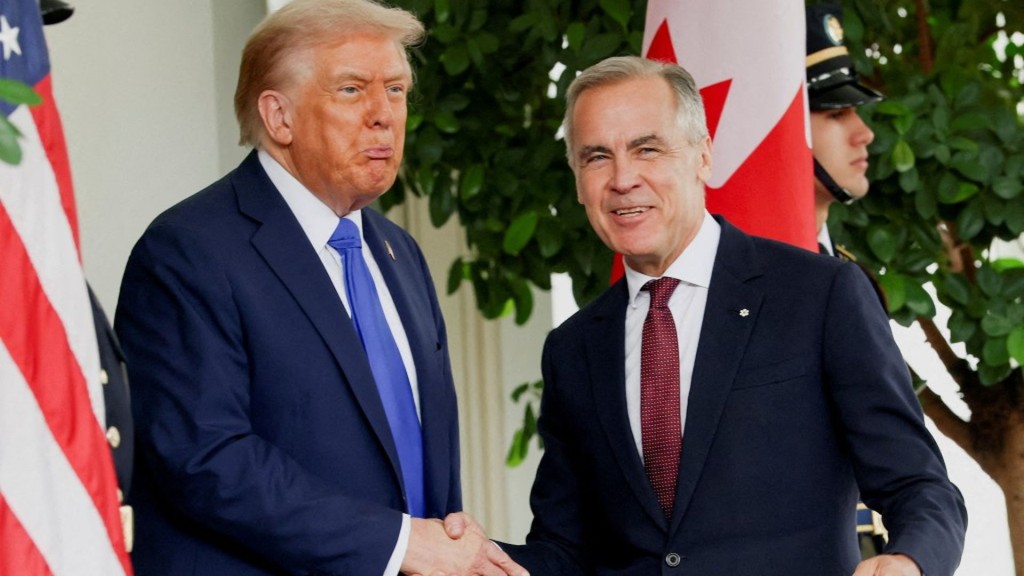
The momentum for reopening stems from a deal struck between a key group of Senate Democratic centrists, GOP leaders, and the White House. In exchange for ending the shutdown, Democrats secured a future vote on extending subsidies for the Affordable Care Act, or ACA, often called Obamacare. This provision aims to make health insurance premiums more affordable for millions, a key Democratic priority. However, this is not the end of the road. The legislative process is slow; any single senator can delay the final vote, and the House of Representatives must still return to Washington to approve the Senate’s package. The journey to the president’s desk is fraught with potential last-minute hurdles.
The political chasm remains
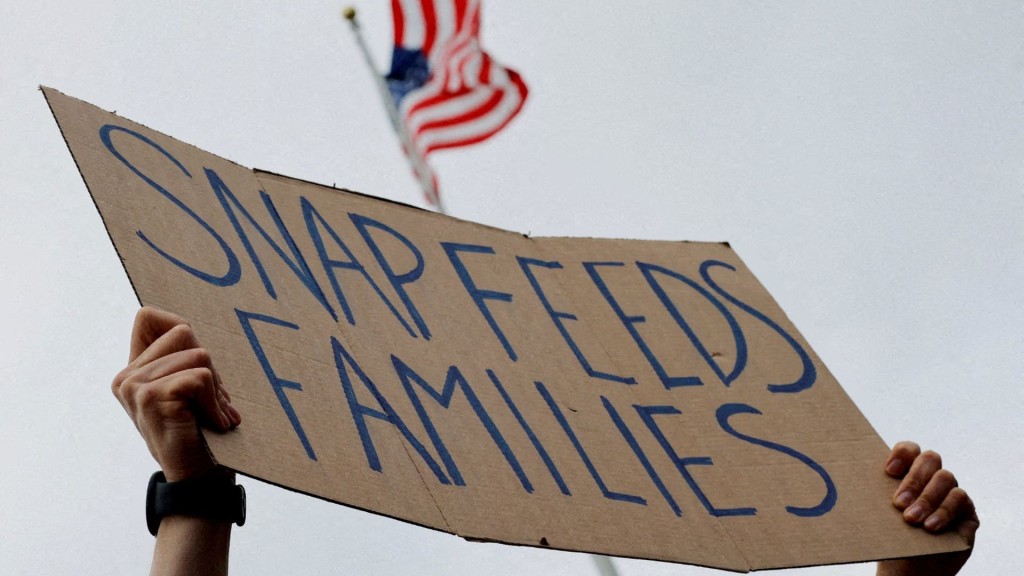
At the heart of this shutdown lies the enduring debate over the role of government, exemplified by the ACA. Republicans, concerned about fiscal responsibility, oppose the expansion of subsidies, especially amid a precarious budgetary situation.
Democrats, meanwhile, see them as essential protection for the middle class. This fundamental disagreement makes a clean, long-term consensus highly unlikely. The most probable outcome is a conditional, short-term reopening, leaving the door open for future political brinksmanship. The third scenario – a prolonged shutdown – continues to be a dangerous possibility, one that sends persistent jitters through the stock market and business community.
The lingering economic and social hangover
Even if the government’s doors reopen immediately, the impacts will not vanish. The shutdown has severely disrupted the flow of people and goods. The aviation sector, a critical artery of the US economy, has been brought to its knees. On a single day, over 2,700 flights were canceled – a record high since the shutdown began – with more than 10,000 delays. Untangling this logistical nightmare and restoring the smooth flow of commerce and travel will take time, not days. The cumulative effect on federal workers, contractors, and businesses that rely on them has been devastating, and confidence is slow to rebuild.
Ultimately, this shutdown has revealed a deeply bipolar society and a political system struggling to find common ground. The temporary reopening is a necessary first step, but it is merely a pause in a larger, unresolved conflict. The true test will be whether lawmakers can bridge their ideological divides to prevent a repeat of this damaging crisis, or if this fragile truce is simply the calm before the next storm.