Read More






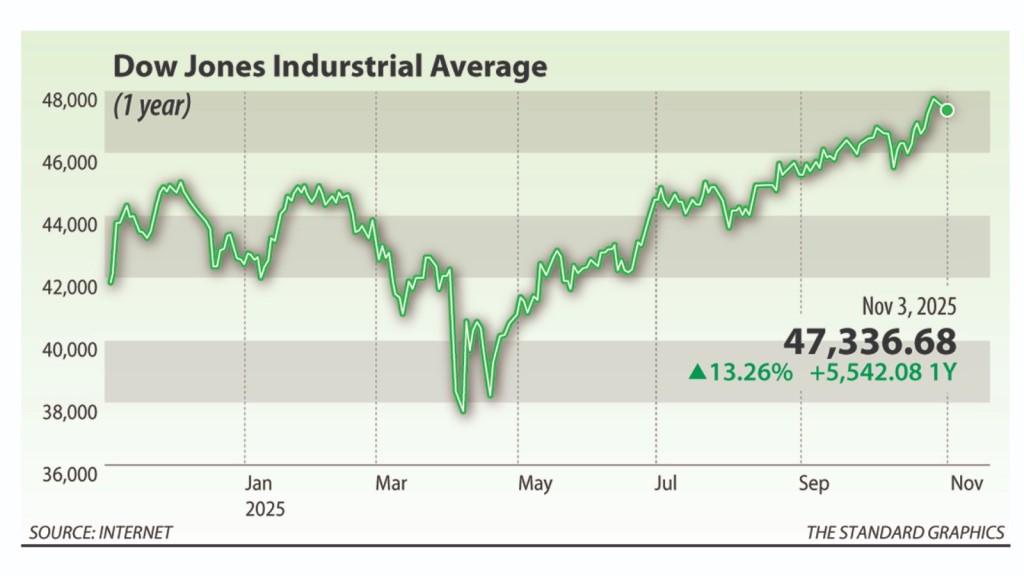
Even US heavyweight bankers said the decline of shares is inevitable. After a prolonged rally that often defied traditional logic, Wall Street is now grappling with a sharp pullback. The critical uncertainty gripping investors worldwide is whether this is a healthy market correction or the ominous beginning of a sustained bear market.
The very factors that once propelled markets higher now seem to be contributing to their instability, leaving analysts searching for solid ground.
Compounding the market’s anxiety is a profound political failure. The US government has been shut down since October 1, a situation that has now stretched into a record-breaking 36 days, surpassing the 35-day shutdown during the first Trump presidency.
This isn’t just a political statistic; it’s an economic drag. The chaos is tangible, from disrupted operations at major airports to delayed permits and suspended services. This paralysis saps consumer confidence and hinders economic activity, creating a pervasive sense of disorder that markets abhor.
In the tech sector, a parallel drama is unfolding. Giants like Facebook, Google, and Apple are pumping billions into the development of artificial intelligence, betting it will define the next era of growth. However, this frenzied investment is drawing comparisons to the dot-com boom.
With shares of key players already falling significantly – Facebook down 10 percent in recent days – market watchers are nervously asking if an AI bubble is set to burst. The immense valuations are predicated on future profits that may be slow to materialize, making the sector vulnerable to a sharp correction.
Heavyweight bankers have long warned of the dangers of a prolonged tariff war, and their predictions are now hitting home. As the US engages in trade conflicts on multiple fronts, it has created strategic openings for other global powers.
China, in particular, has adeptly navigated the chaos, mending fences and strengthening ties with former adversaries like India and Canada. This diplomatic maneuvering is reshaping global alliances to the US’s detriment.
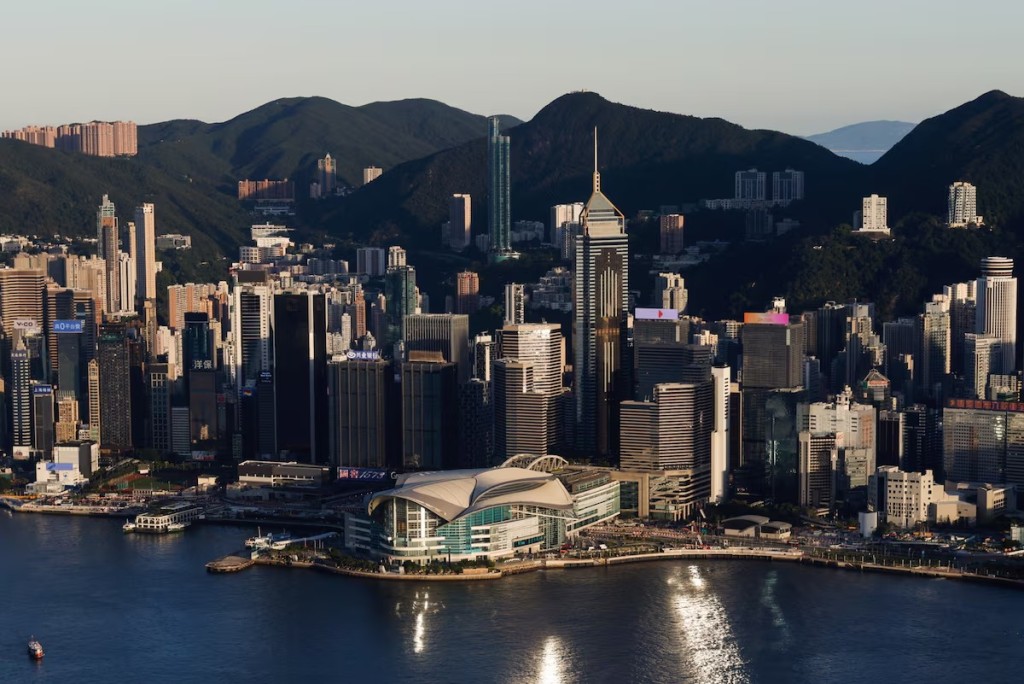
Meanwhile, global financial hubs like Hong Kong are positioned to gain. As a stable and free port, Hong Kong’s financial sector, which now contributes a substantial 22 percent to its local GDP – up from 16 percent a decade ago – stands to attract capital seeking a predictable regulatory environment away from Washington’s tumult.
The US market is not facing a single threat, but a convergence of them. The record shutdown, the potential AI bubble, and the geopolitical fallout from trade wars are creating a perfect storm.
Whether this combination will trigger only a short-term correction or a deeper, more damaging bear market is the billion-dollar question keeping every investor awake at night.