Read More
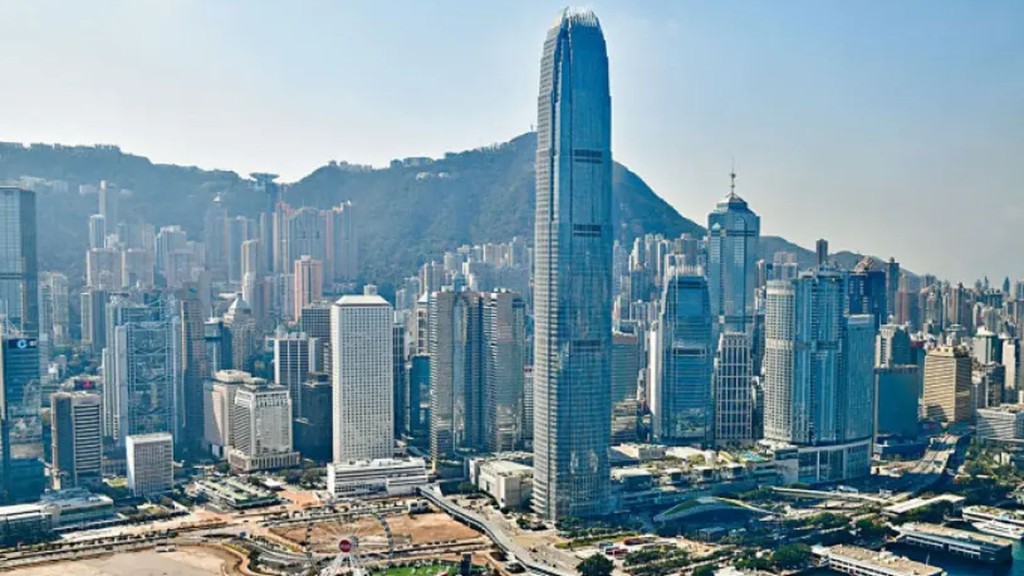
Hong Kong’s ambition to reinvent itself as a full-spectrum international metropolis demands a bold new approach to talent. While its status as a global financial hub is undisputed, the path forward lies in economic diversification.
ADVERTISEMENT
SCROLL TO CONTINUE WITH CONTENT
The latest measure to streamline access for elite mainland Chinese professionals is a masterstroke in this regard. This policy, coupled with Hong Kong international recruitment drives, unlocks a critical source of innovation essential for building a dynamic, future-proof economy.
Unlocking the mainland’s talent reservoir
The recently unveiled policy is a game-changer for connectivity. Professionals specializing in research and development, culture and education, health care and law from key economic hubs – including the Yangtze River Delta, Beijing-Tianjin-Hebei region, and all Free Trade Zones – are now granted multi-entry permits for Hong Kong and Macau. This allows stays of up to 30 days per visit over a five-year period.
This administrative ease directly addresses a critical bottleneck in Hong Kong’s development. Many technology firms, for instance, maintain their primary R&D labs across the border, with only a sales or liaison office in Hong Kong. This new flexibility facilitates seamless collaboration, allowing mainland-based researchers and specialists to travel to Hong Kong for strategic meetings, client presentations, and project integration with ease. It bridges the operational gap between the city’s international front office and the mainland’s immense production and innovation backbone.
Beyond the “Hong Kong Talent Engage” strategy
Initiatives like “Hong Kong Talent Engage” are vital for projecting the city’s global appeal and attracting overseas expertise. However, overlooking the mainland’s talent market would be a significant strategic misstep. The mainland is producing the world’s fastest-growing number of doctorate holders and highly skilled professionals. While many mainland students choose to remain in Hong Kong after their studies, this organic flow is insufficient to meet the city’s ambitious diversification targets.
This policy acknowledges a simple reality: for Hong Kong to evolve beyond its financial core and strengthen sectors like tech, life sciences and creative industries, it must leverage its unique position as a gateway. Offering convenience to mainland talent is not just an immigration policy – it’s an economic necessity that fuels the very innovation the city seeks.
The path to a truly international metropolis
By intelligently leveraging its dual role as a part of China and a global city, Hong Kong is laying the groundwork for a more dynamic future.
This two-pronged talent strategy – aggressively engaging the world while seamlessly integrating with the mainland’s innovation ecosystem – is the key to building a diversified and robust economy.
As these professionals flow into the city, they bring not just their skills, but also new ideas and collaborations, cementing Hong Kong’s status as a leading international metropolis for decades to come.