Read More
The Urban Renewal Authority’s foundational mission – to improve living conditions and renew the city’s aging fabric – is facing a critical test. At the heart of this challenge is its “Seven-Year-Old Replacement Building” acquisition mechanism, a well-intentioned policy that has created unintended consequences for the property market, public finances, and the very communities it aims to serve. Its ongoing review is not merely an administrative exercise; it is a necessary intervention to ensure the sustainability and fairness of urban renewal in Hong Kong.
ADVERTISEMENT
SCROLL TO CONTINUE WITH CONTENT
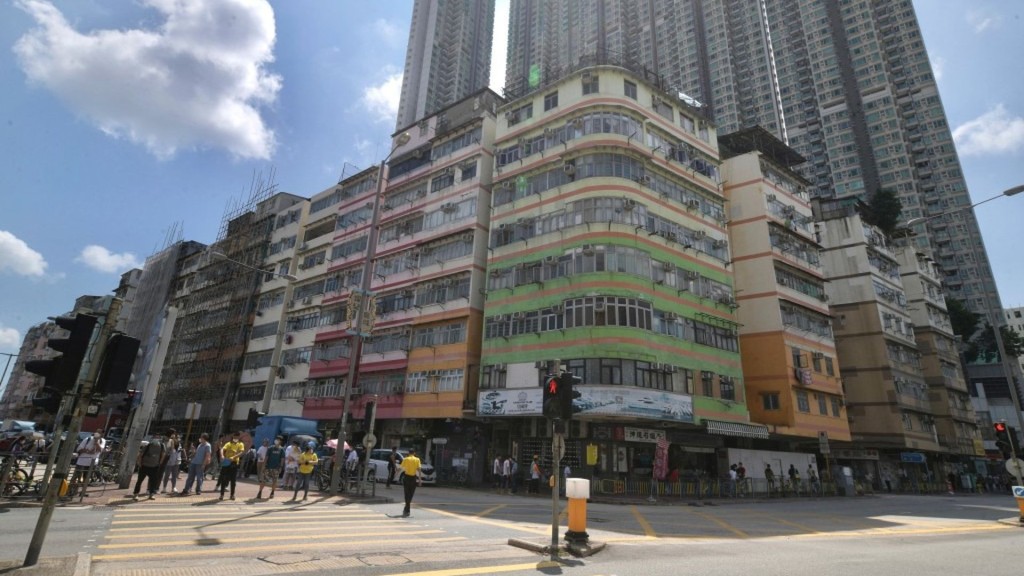
As of the end of 2024, there were 8,977 private residential buildings aged 50 years or older. By 2042, nearly 30,000 buildings will reach the 50-year mark, and it would take 120 years to demolish all of them.
The mechanics of generosity and its distortions
The mechanism is designed to be compassionate. It calculates a Home Purchase Allowance by bridging the gap between the market value of an owner’s dilapidated flat and the estimated value of a notional seven-year-old replacement unit in a similar location. In theory, this allows residents of old buildings to relocate to modern, comparable housing within their community.
However, this generosity has distorted market dynamics. By offering compensation comparable to new projects in the area, the URA has created an incentive for speculation. Investors and speculators actively target these old buildings, purchasing units not for habitation but as a bet on a future URA buyout. This activity inflates the baseline cost of these properties and complicates the URA’s acquisition process, ultimately diverting public funds into private windfalls.
For instance, the recent case of To Kwa Wan is a prime example, where the URA’s acquisition offer reached HK$13,891 per square foot, a price on par with some nearby new developments. While this seems like a win for individual homeowners, it sets an unsustainable benchmark. It transforms aging, often poorly maintained buildings into high-yield speculative assets, as investors snap up units hoping for a URA-led windfall. This speculation artificially inflates the value of these old properties, making the URA’s own acquisition process more expensive and creating a vicious cycle.
The URA has lost more than HK$10 billion over the last three fiscal years, largely due to this mechanism. It is no wonder that its managing director, Donald Choi Wun-hing, warned the URA’s resources would be depleted within five to 10 years if the mechanism persists.
Fiscal unsustainability and market distortion
The financial toll of this policy is stark and undeniable. The URA has reported staggering losses, including a net loss of HK$2.72 billion for the 2024/25 fiscal year. The URA has lost more than HK$10 billion over the last three fiscal years, largely due to this mechanism. It is no wonder that its managing director, Donald Choi Wun-hing, warned the URA’s resources would be depleted within five to 10 years if the mechanism persists.
This situation also fuels the debate over the URA “competing with the private sector.” Private developers cannot match the URA’s compensation offers. This creates an uneven playing field and raises valid questions about whether public money is being used in the most efficient way to achieve the broader goal of urban renewal.
Towards a fairer and more sustainable model
The core intention of the policy – to improve lives – remains noble. Yet, evidence suggests that the system is being gamed. Some recipients use the generous compensation not to upgrade their living conditions, but to purchase homes of even poorer quality, pocketing the difference and perpetuating the cycle of substandard housing.
As a statutory body spending public money, the URA has a duty to ensure every dollar is accountable. A reformed acquisition model must reflect true market conditions more closely. A fairer compensation amount would not only combat speculative activities but also encourage property owners to maintain their assets better, knowing that a future windfall is not guaranteed.
The review of the “Seven-Year-Old Replacement Building” mechanism is a pivotal opportunity. By recalibrating this policy to be both compassionate and fiscally responsible, we can safeguard the URA’s mission for the long term, ensure the prudent use of public funds, and create a healthier, more sustainable property market for all of Hong Kong.