Read More
The global energy transition is more than an environmental imperative – it is the defining economic opportunity of our generation, a market worth trillions. With the steadfast support of mainland China, Hong Kong is not just participating in this race – it is strategically positioning itself to take a head start. After its peak greenhouse gas emissions back in 2014, the city is now leveraging its unique strengths to build a future as a premier international hub for green marine and aviation fuels.
ADVERTISEMENT
SCROLL TO CONTINUE WITH CONTENT
A strategic pivot from black gold to green molecules
Throughout history, energy has been intertwined with geopolitics. The old paradigm was simple: whoever controlled the oil held the power. Today, the victory goes to those who pioneer the generation and use of low-carbon energy. This explains the global scramble for leadership in new energies like hydrogen, sustainable aviation fuel and methanol. Hong Kong’s latest policy address has captured this shift, outlining a clear vision to transform the city into a central player in the green fuel ecosystem.
Marine methanol bunkering: A world-first declaration of intent
The vision is already becoming reality. Less than two weeks after the policy address, the world’s first methanol dual-fuel roll-on/roll-off vessel, the “CM Hong Kong,” held its maiden voyage ceremony in the city. This vessel, designed in mainland China and operated under China Merchants but proudly registered under the Hong Kong flag, is a powerful symbol. It showcases the city’s immediate capability to serve as a maritime fuel bunkering hub for the future. With plans for a dedicated methanol storage site in Tsing Yi and supportive measures like tax waivers, Hong Kong is sending a clear signal to the global shipping industry – which contributes significantly to global emissions – that it is ready for a greener future.
Hydrogen and SAF: Building a multi-pronged green hub
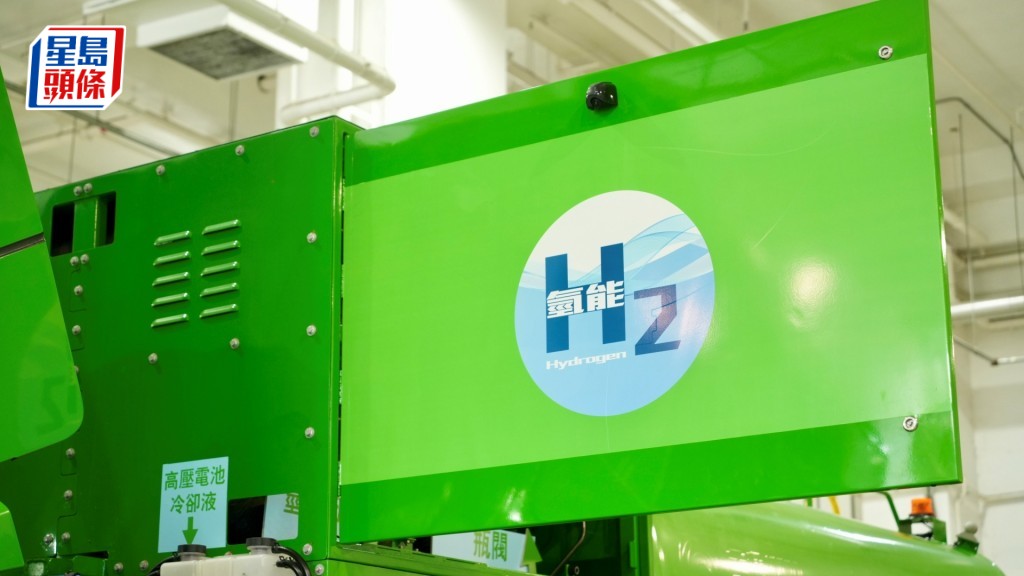
The strategy extends beyond methanol. Hong Kong has deployed its first hydrogen fuel cell street washing vehicles, acknowledging the fuel’s immense potential for commercial transport. The key advantages of hydrogen are its clean emission – only water vapor – and its ability to be produced from diverse domestic resources, enhancing energy security.
The critical challenge lies in ensuring its production is “green,” using renewable energy. Hong Kong should strive for becoming a green hydrogen hub.
Simultaneously, for aviation – another major source of global emissions – a partnership is forming.
The Hong Kong and mainland governments are leading an initiative for a SAF supplier, likely the Towngas-incubated EcoCeres, to establish a plant in the Greater Bay Area. This builds on years of proven production experience and positions EcoCeres has at the forefront of sustainable air travel.
The road ahead: Overcoming cost and scale
The path forward is not without challenges. Green methanol, green hydrogen, and SAF are currently several times more expensive than traditional fuels. Yet, the demand is massive and growing. Despite its land limitations, Hong Kong, backed by the innovation and scale of mainland China, possesses the financial infrastructure, strategic location and political will to overcome these hurdles. By focusing on these high-value green fuels, Hong Kong is not merely adapting to a low-carbon world; it is actively forging a new identity as a critical international nexus where economic growth and environmental responsibility sail in unison.