Read More
On the 10th anniversary of the Paris Agreement, the world received a stark lesson in contrasting leadership. While the United States, under a rhetoric of “dig baby dig,” has often wavered, Chinese President Xi Jinping used the UN Climate Summit podium to announce a sweeping new suite of greenhouse gas, or GHG, cutting goals for China.
ADVERTISEMENT
SCROLL TO CONTINUE WITH CONTENT
This bold move demonstrates a resolute commitment to global environmental stewardship, positioning China at the forefront of the fight against climate change.
The announcement is not merely aspirational; it is a detailed roadmap that underscores China’s capacity and determination to transition towards a sustainable future.
From pledge to plan: The pillars of China’s ambitious strategy
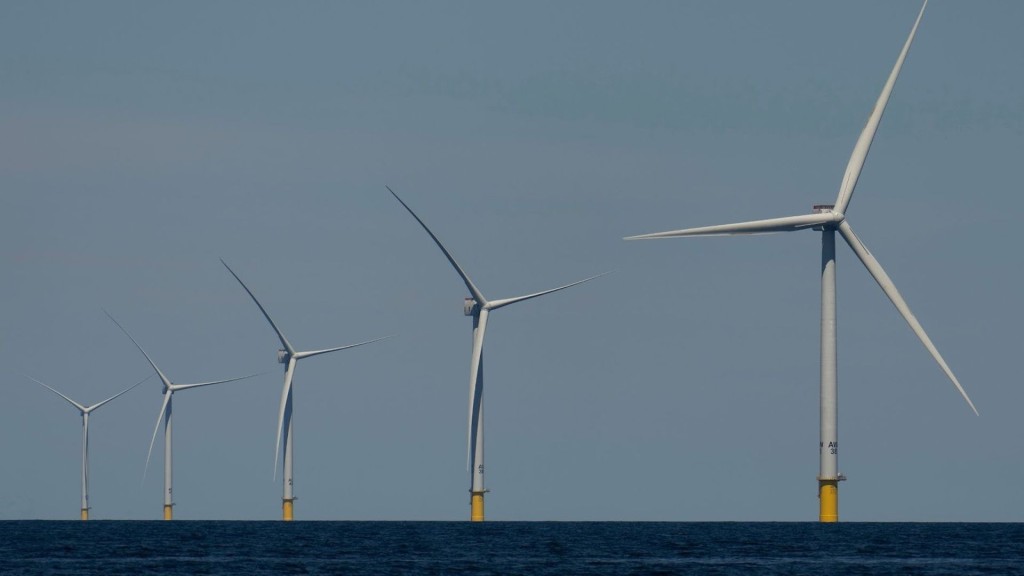
President Xi’s announcement builds upon the “double-carbon” target introduced in 2020 – achieving peak carbon before 2030 and carbon neutrality before 2060. The new targets are both quantitative and transformative. They include reducing GHG emissions by 7 to 10 percent from peak levels and increasing the share of non-fossil fuels to over 30 percent of total energy consumption. The most eye-catching goal is the expansion of wind and solar power installed capacity to over 3,600 gigawatts – a more than six-fold increase from 2020 levels.
This energy revolution is supported by parallel advancements. China aims to scale up its total forest stock volume, make new energy vehicles the mainstream choice for consumers, and expand the national carbon emissions trading market to cover all major high-emission sectors. This holistic approach, combining energy generation, reforestation, transportation and market mechanisms, aims to “basically establish a climate-adaptive society,” according to the announcement.
Collaboration over confrontation: A leadership model for the global south
Crucially, President Xi’s leadership extends beyond national borders. He called for enhanced global collaboration, rejecting demarcation between the global north and south. This philosophy recognizes that climate change is a shared challenge requiring unified action, not unilateral withdrawal. By showcasing tangible progress – China is now a world leader in renewable energy, nuclear power and hydrogen production, with advanced technology in energy storage and electric vehicles – China provides a viable model for other nations. It demonstrates that economic development and environmental responsibility are not mutually exclusive but are, in fact, synergistic.
The green gold rush: Hong Kong’s role as a super-connector
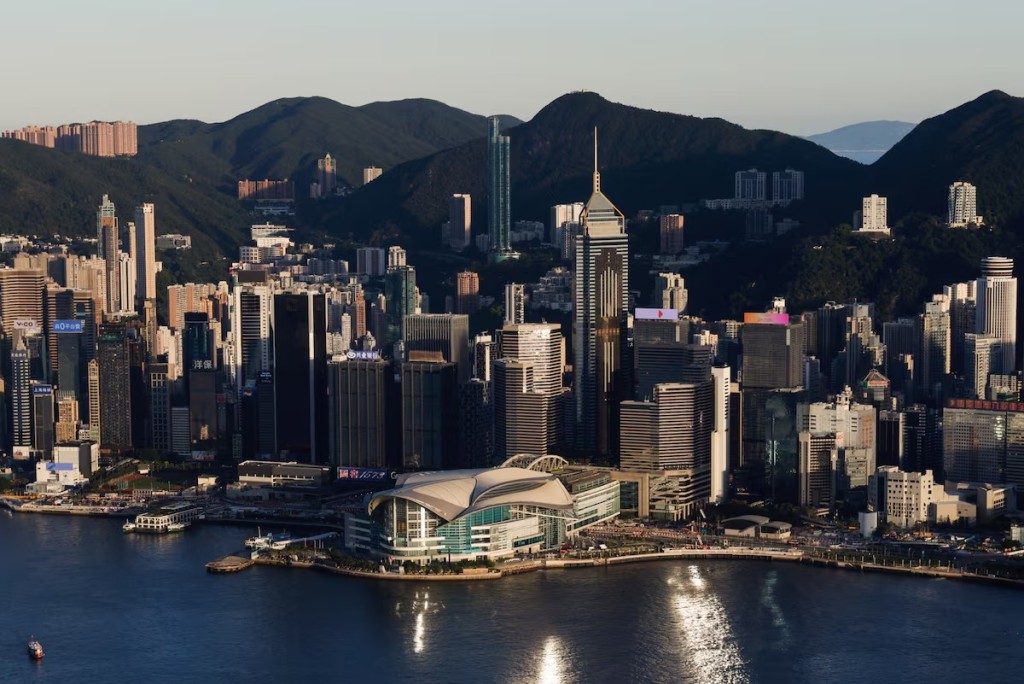
The transition to a green economy represents one of the largest commercial opportunities of the 21st century. For Hong Kong, China’s ambitious climate goals are not just a geopolitical statement – they are a direct economic catalyst. As an international financial hub and a super-connector between China and the world, Hong Kong is uniquely positioned to benefit. The city can channel the massive capital required for renewable projects, facilitate technology transfer for battery storage and smart grids and serve as a hub for carbon trading and green finance. The rise of Chinese NEVs and green technologies creates a new export ecosystem where Hong Kong’s legal, financial and logistical expertise is invaluable.
President Xi’s climate pledge is a declaration of China’s commitment to a livable planet. It is also a clarion call for business. For Hong Kong, aligning with this national strategy is not just an environmental imperative but a strategic economic necessity, turning a global climate crisis into a profound opportunity.