Read More
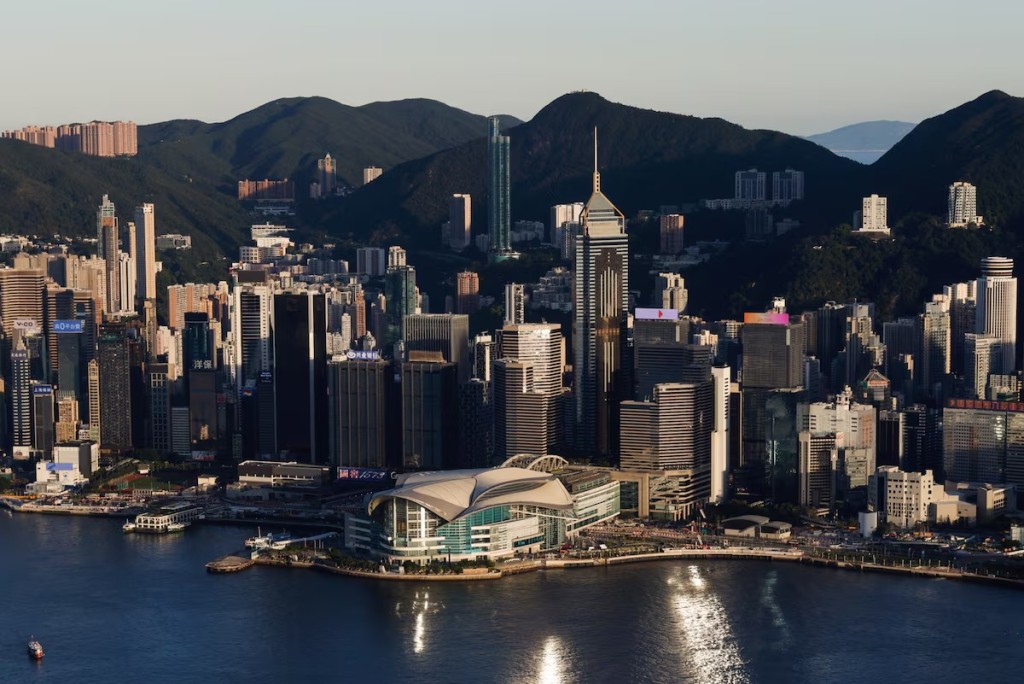
In a significant shift in the global innovation landscape, the Shenzhen-Hong Kong-Guangzhou cluster has been ranked first in the United Nations Global Innovation Index, overtaking the long-dominant Tokyo-Yokohama region.
ADVERTISEMENT
SCROLL TO CONTINUE WITH CONTENT
This milestone highlights the growing influence of China’s Greater Bay Area as a powerhouse of technology, finance, and creativity, offering a compelling model of regional synergy and strategic development.
Tripartite engine of growth
The cluster’s success stems from the seamless integration of three distinct urban strengths.
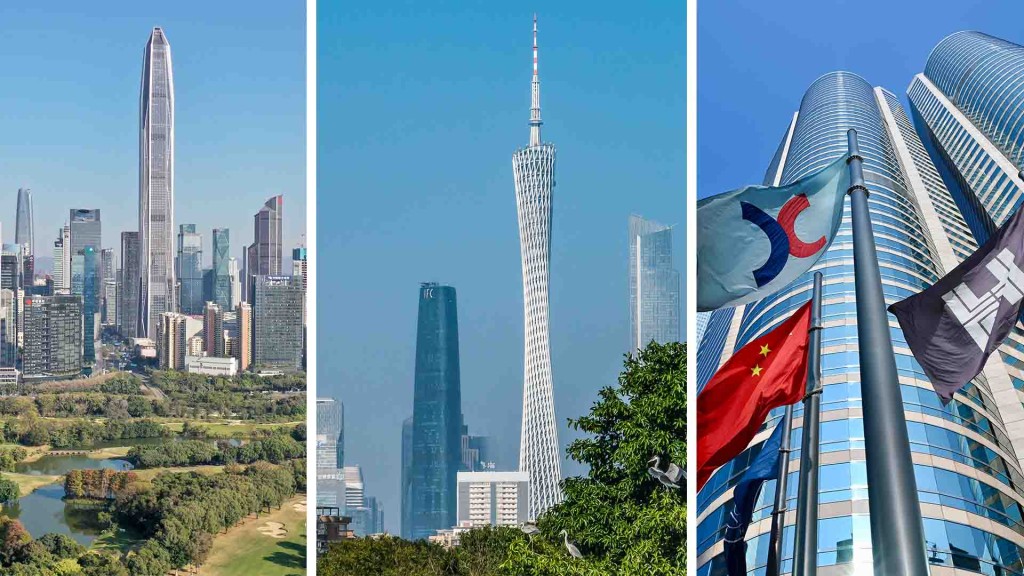
Shenzhen, renowned as China’s innovation laboratory, provides a dynamic environment for tech enterprises, supported by its specialised A-share market for technology listings.
Hong Kong contributes world-class financial infrastructure, venture capital access, and a robust legal system that safeguards intellectual property – a key factor in attracting global investors. Guangzhou, the capital of Guangdong, adds industrial scale, manufacturing depth, and a vast consumer market, enabling rapid commercialization and large-sample innovation testing.
Drivers of excellence
Venture capital activity, supercharged by Hong Kong’s financing capabilities, has been a major catalyst.
The city’s international connectivity and openness help identify emerging opportunities and stimulate research, while its common-law tradition ensures investor confidence.
Shenzhen’s agile tech ecosystem and Guangzhou’s production and market capacities create a virtuous cycle of ideation, development, and deployment – enabling the cluster to outpace competitors like Shanghai-Suzhou, Tokyo-Yokohama, and major US innovation corridors.
Future Prospects and Challenges
Looking ahead, the cluster is poised to further elevate its status through enhanced university research and global talent acquisition. However, maintaining this leadership will require addressing challenges such as cross-border regulatory coordination, talent retention, and sustaining innovation quality amid rapid growth.
With focused policy support and deeper collaboration, the region can strengthen its output of high-impact patents and scientific publications.
The rise of the Shenzhen-Hong Kong-Guangzhou cluster underscores the power of complementary regional strengths.
Its blend of finance, technology, and industrial capacity offers valuable lessons for policymakers and business leaders worldwide seeking to foster innovation-led economic growth. As this corridor continues to evolve, it not only reinforces China’s innovation credentials but also sets new benchmarks for global collaboration and technological advancement.