Read More
The Hong Kong Book Fair is a cultural highlight that draws thousands of visitors annually with its diverse activities and thematic focus. This year’s theme, culinary culture, exemplifies how such events can engage the public and celebrate knowledge. However, the declining use of public libraries in the city suggests that their role needs to be rethought in today’s digital age.
ADVERTISEMENT
SCROLL TO CONTINUE WITH CONTENT
Statistics paint a concerning picture. Book lending has plummeted by 56 percent over the past decade, reaching just 23.54 million in 2022. As more content becomes digitized and information is readily accessible online, traditional libraries seem to be losing their relevance. Yet, around the world, libraries are evolving into vibrant cultural hubs that serve far greater purposes than lending books.
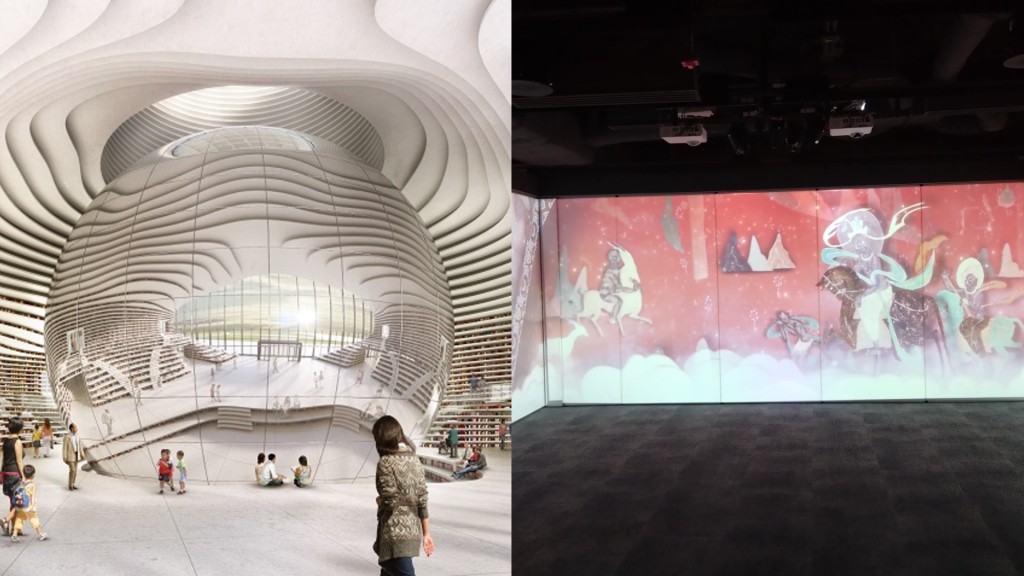
Consider the University of Hong Kong’s main library, which has embraced this transformation. Its current Dunhuang exhibition features replicas of a Dunhuang cave and grotto murals, along with digital displays of flying apsaras and caisson ceilings that recreate the experience of visiting the ancient site. By combining art, culture, and technology, the library has become more than a repository of books – it is now a space for immersive education and cultural appreciation.
Global libraries show the way
The global trend of reimagining libraries offers valuable lessons for Hong Kong. Libraries in cities like Helsinki, Seattle, Tianjin and Beijing have become architectural icons and tourist attractions, blending functionality with innovative design. Helsinki’s Oodi, designed by ALA Architects, for example, features a cinema, gallery, multimedia rooms, and music studios alongside its traditional library services. The Seattle Central Library, designed by Rem Koolhaas, and the Tianjin Binhai Library, designed by MVRDV, have become Instagram-worthy landmarks, drawing visitors from around the world.
These libraries demonstrate how thoughtful design and expanded functions can redefine a library’s role, making it a cultural and social hub for the community.
Such transformations not only enhance the utility of libraries but also promote a city’s image. Viral photos of iconic libraries, like the Beijing City Library designed by Snohetta, illustrate how these spaces serve as cultural ambassadors, showcasing a city’s commitment to knowledge and culture.
Hong Kong libraries lag behind
In Hong Kong, by contrast, public libraries have struggled to keep pace with these global trends. The city has 71 libraries scattered across the territory, but 40 percent of the books are stored in the Central Library and six major branches. When the Central Library was completed, its design was criticized for being uninspiring, failing to ignite the imagination or reflect the city’s aspirations. This is a missed opportunity, as libraries can be both functional and iconic, serving as cultural landmarks that enhance civic pride.
To reverse the decline in library use, Hong Kong needs to rethink how its libraries operate and their appeal to the public. This could include incorporating digital and multimedia resources, hosting cultural exhibitions, and using library spaces for events, workshops, and interactive learning. Libraries could also collaborate with major cultural events like the book fair to create synergies that draw more visitors and highlight the value of libraries in a modern context.
Ultimately, libraries are more than just places to borrow books – they are spaces for community, culture, and creativity. By investing in innovative designs, expanding their functions, and embracing digital technology, Hong Kong’s libraries can reclaim their relevance in the digital age and become spaces that inspire, educate and connect.