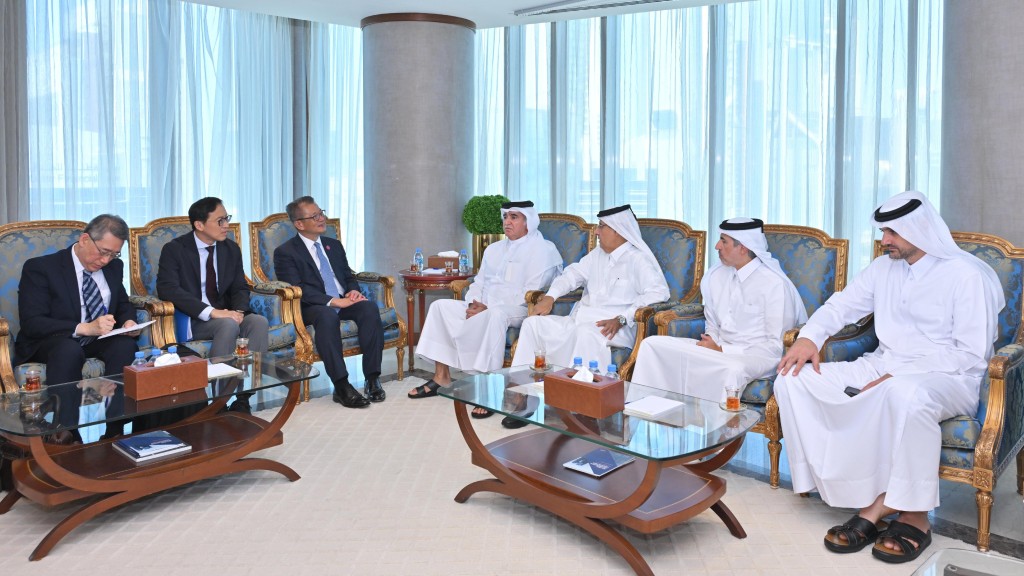
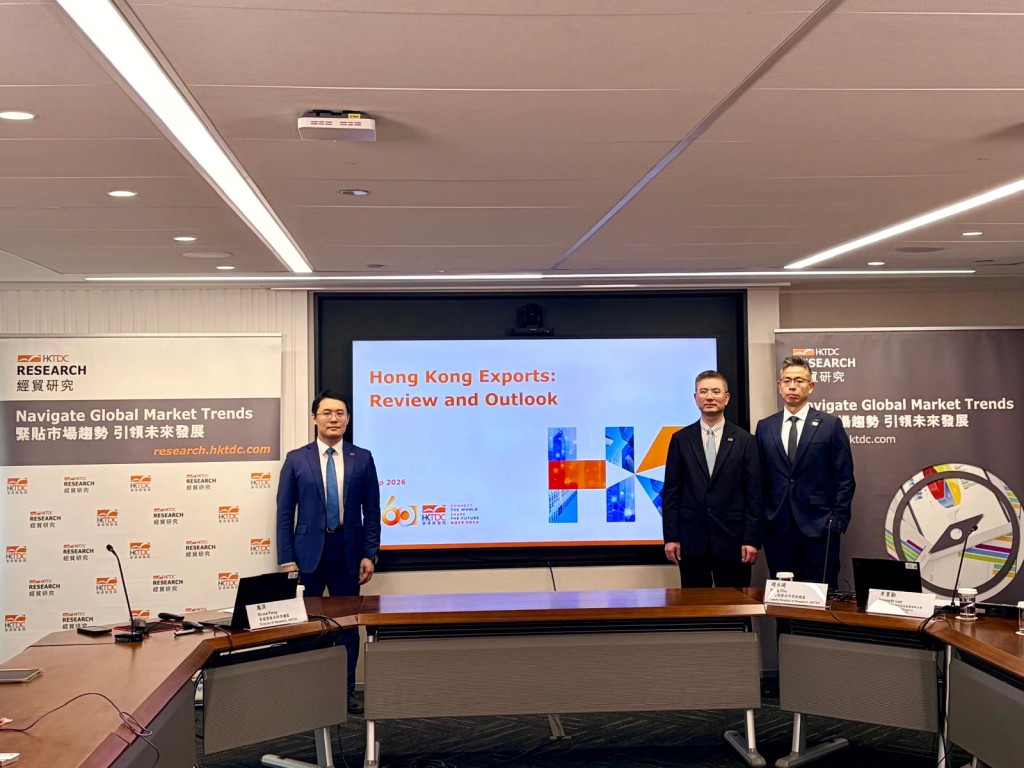
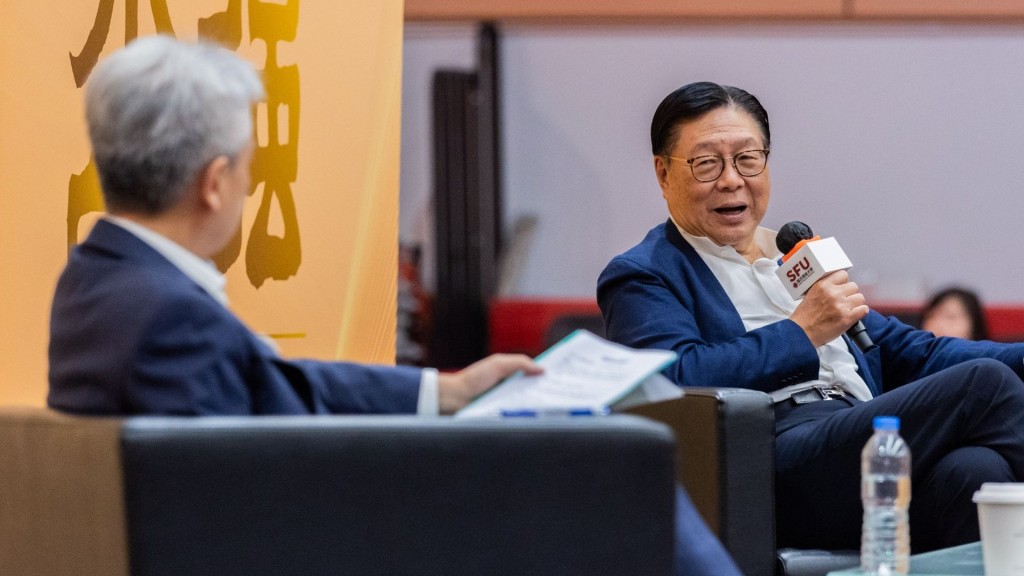
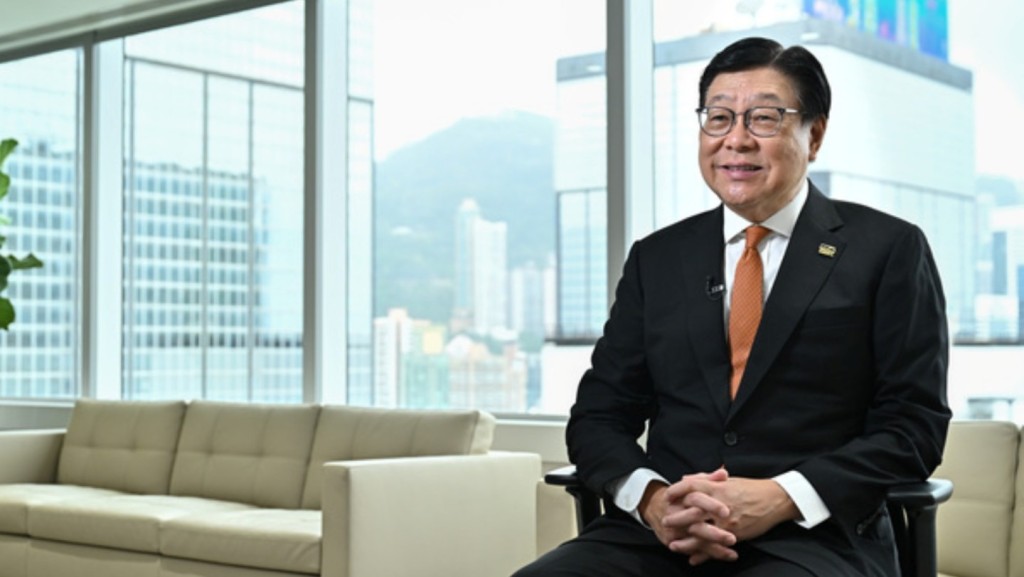
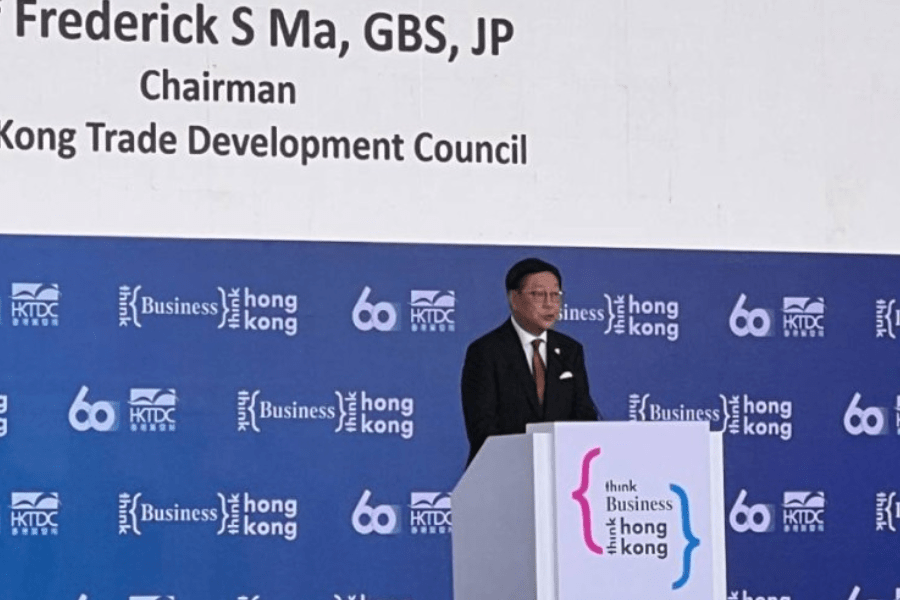
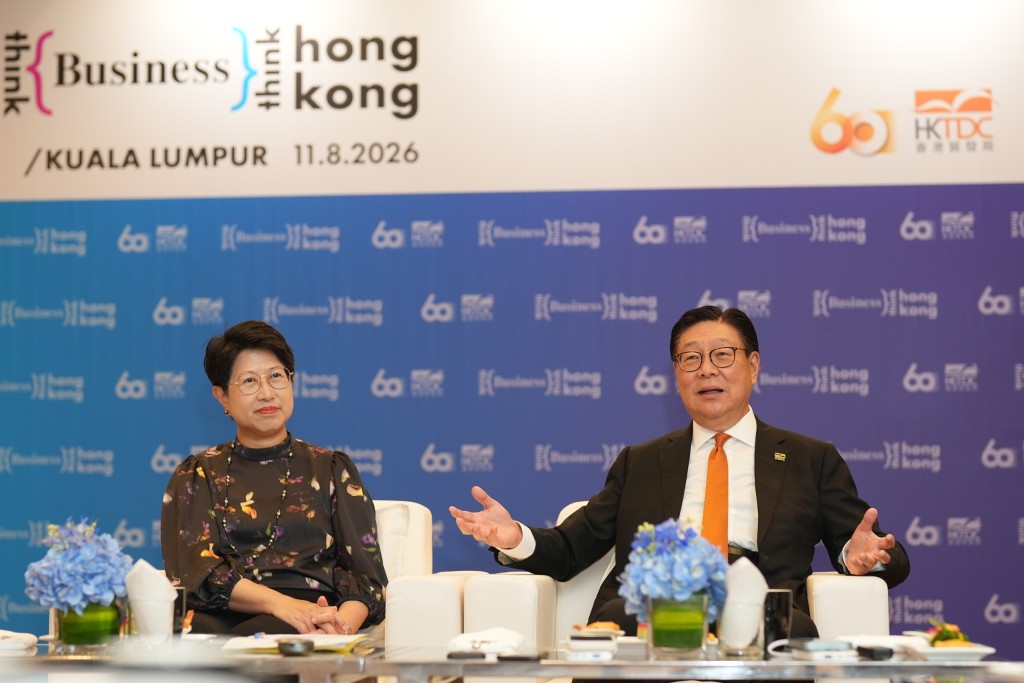
Frederick Ma Si-hang’s appointment as chairman of the Hong Kong Trade Development Council comes at a critical juncture.
The HKTDC has over the past 59 years, showcased Made in Hong Kong goods and promoted trade and investment across the world.
Now, as global trade tensions escalate and supply chains reconfigure, Hong Kong must leverage its advantages to revitalize its trade and industrial base.
A seasoned former official in financial and commerce portfolios, Ma understands that while Hong Kong thrives as a financial hub, sustainable growth demands a renewed focus on advanced manufacturing and innovation.
Hong Kong is a free port with zero tariffs, yet this advantage remains under used.
The Closer Economic Partnership Arrangement allows “Made in Hong Kong” products to enter mainland China tariff-free – a privilege that could spur local production.
Additionally, the Greater Bay Area initiative presents vast opportunities for cross-border collaboration in high-tech manufacturing.
However, Hong Kong has historically overlooked industrial development in favor of finance and real estate.
Opportunity missed with SMIC
Ma himself recalls how Semiconductor Manufacturing International Corporation sought to establish a plant in Hong Kong in 2000, only to relocate to Shanghai due to land constraints and the city’s overwhelming focus on property.
Similarly, Motorola’s exit in 2002 marked the decline of Hong Kong’s once-thriving semiconductor industry. These missed opportunities underscore the need for a strategic shift.
Fortunately, signs of progress are emerging. Over the years, initiatives such as the Hong Kong Science and Technology Parks and the Productivity Council have been laying the groundwork for Industry 4.0 coupled with efforts from the city’s universities.
Advanced manufacturing thrust
These efforts are beginning to bear fruit, with startups and international companies alike contributing to the city’s advanced manufacturing ecosystem.
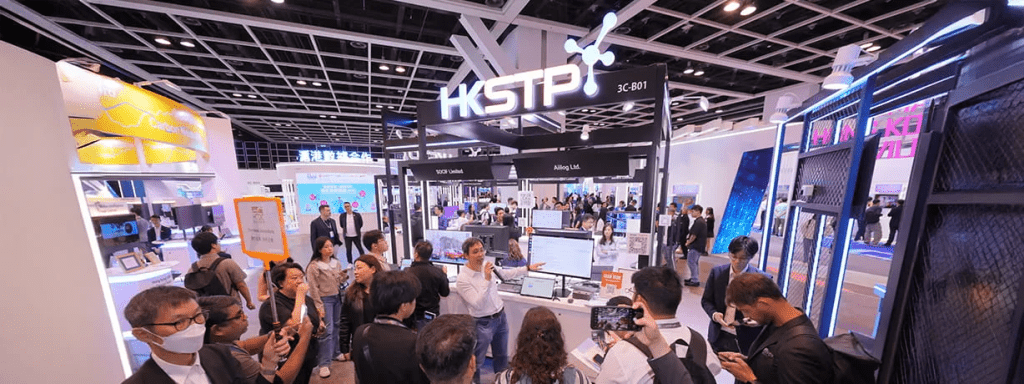
German electronics giant Würth Elektronik recently launched a pilot program at the HKSTP to provide consulting services to microelectronics-related enterprises. This initiative can help startups to find solutions and is expected to benefit 270 firms in the park.
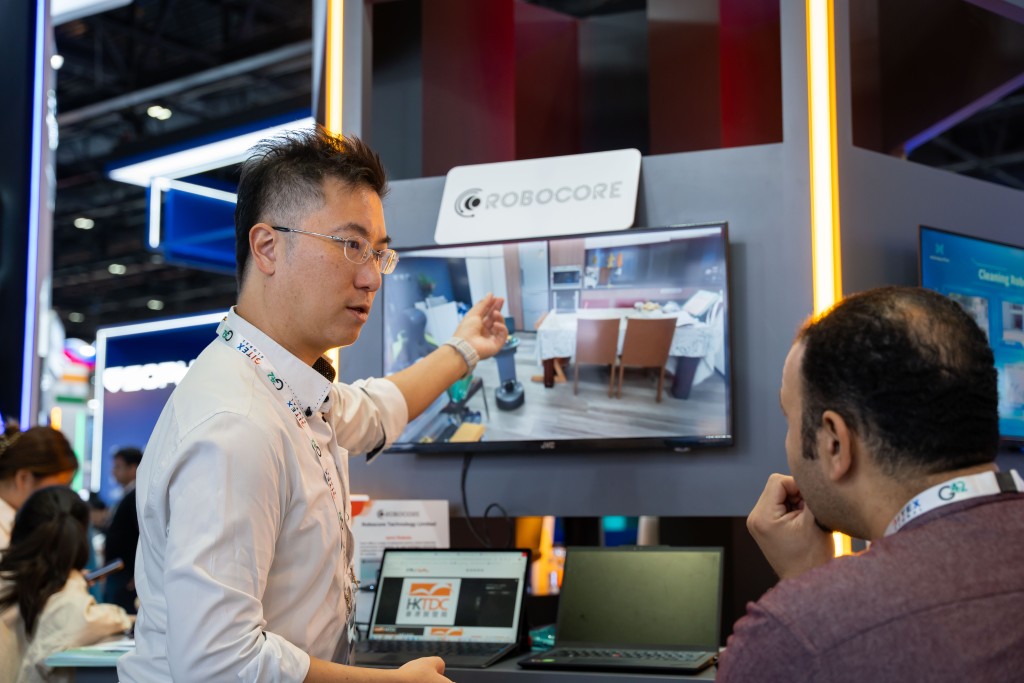
Local startups, who have benefited include a developer of a portable device for assessing the health of multiple organs, another that has created an AI-powered smart bartending machine, and a third has introduced an intelligent guidance belt to assist the visually impaired. These few examples, alongside ongoing biotech research and other innovations, showcase Hong Kong’s potential to become a hub for advanced manufacturing. These innovations highlight Hong Kong’s potential in high-value, knowledge-intensive manufacturing.
While these advancements are promising, Hong Kong must address the challenges of limited industrial space, high operating costs and a talent shortage in engineering.
Policymakers should incentivize advanced manufacturing through subsidies, land allocation, and stronger academia-industry collaboration.
The GBA’s integrated supply chain can further complement Hong Kong’s R&D strengths.
Ma could be pivotal in steering this transformation.
By promoting Hong Kong as a hub for high-tech production – not just finance – he can help attract investment and revive the city’s industrial legacy as well as trade.