Read More
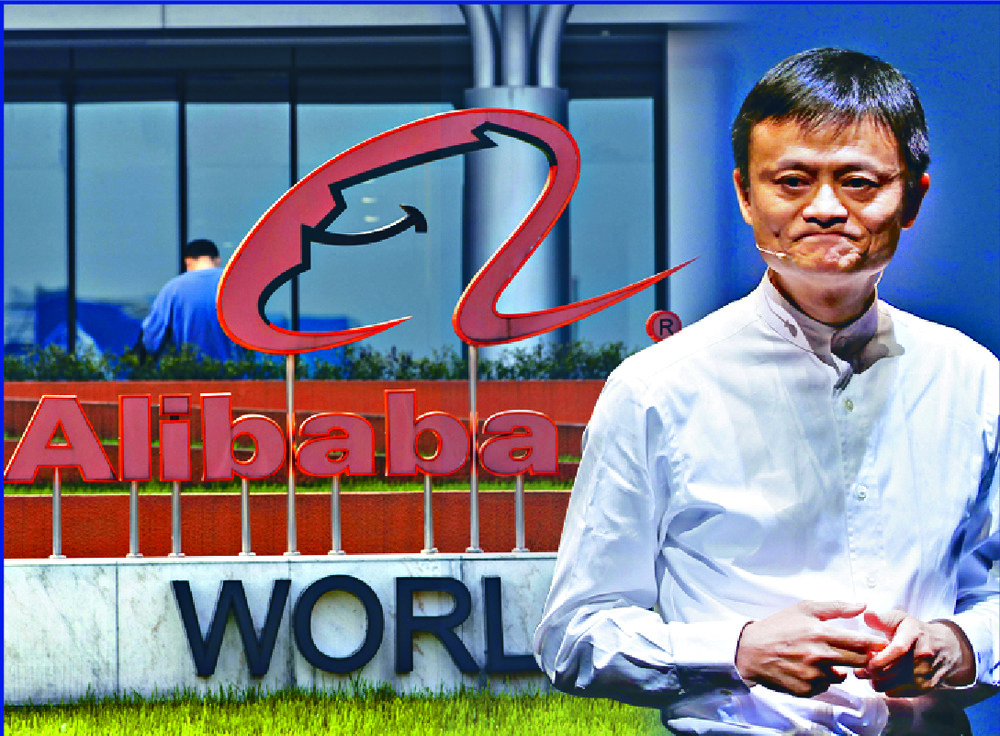
Has the last shoe dropped in the case of Alibaba after Beijing imposed a record fine of 18.2 billion yuan (HK$21.6 billion) on the mainland internet giant?For sure, the huge fine has closed a bumpy episode for the country's most famous international brand - at least for now. 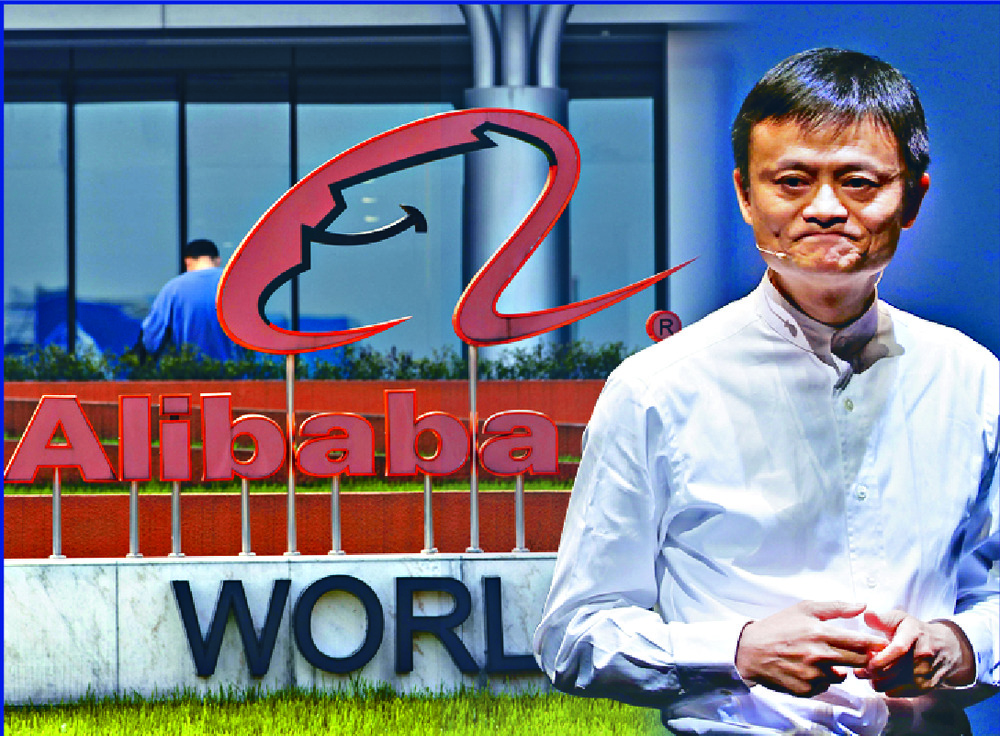
Or will more shoes rain down?
ADVERTISEMENT
SCROLL TO CONTINUE WITH CONTENT
If the stock had been under pressure due to an "anti-trust" investigation launched after its founder Jack Ma Yun angered decision-makers by accusing them of stifling innovation with excessive regulation, the pressure should have eased following the fine.
It's an enormous sum, equivalent to 4 percent of Alibaba's revenue in 2019, or one third of its earnings for the last quarter.
Yet Ma might not end up as the most hurt. Although he remains an icon despite giving up his official roles at the company, he is not the largest shareholder.
As of January, Ma's stake was known to have reduced to 4.8 percent, which is reportedly less than half that of co-founder Joseph Tsai Chung-hsin.Alibaba's largest shareholder is Japanese investor Softbank. Mathematically, Softbank was hit the most in light of its 25 percent stake. In other words, it is also the biggest contributor to the Chinese government coffers in this episode.
Will the incident affect foreign investors that find themselves in a similar situation?While this chapter of anti-trust investigation has closed with the record fine, the saga may not have ended with it. Besides the headlined penalty, Alibaba is required to submit an annual compliance report to regulators for the next three years.
As always, the devil is in the detail and, although the sword has been lifted a little further, it is still hovering above Alibaba's head.The company has surrendered totally, saying it "accepts the penalty with sincerity and will ensure its compliance" with the law.
Yet, will this be sufficient and will Ma - who has not been seen in person publicly for quite a while - appear in person in public somewhere in or outside the country in the near future?That is a sign to monitor.
With the bumpy chapter closed temporarily for Alibaba, its industry peer, Tencent, is set to take over to feature prominently in upcoming news headlines. The stark fact is that the firm is subject to a similar probe by regulators.Intriguingly, prior to the damning weekend statement on Alibaba, the largest shareholder in Tencent sold 2 percent of its stake in the latter.
South African investment firm Naspers owned about 30 percent of Tencent through a subsidiary, Prosus.About two days before the announcement that penalized Alibaba, Prosus sold 2 percent of its stake in Tencent for US$14.6 billion at the expiry of a three-year period that it had promised after it last offloaded an amount - also 2 percent - in Tencent in 2018.
After the latest sale, Prosus undertook not to sell its Tencent stake for the next three years.Apparently, the South African company, which is listed in the Netherlands, has been acting ahead of the curve.
Perhaps it is convinced that more shoes are due to drop.Jack Ma