Read More
The question of moral hazard inevitably arose as the government started releasing employment subsidies to employers hit by the pandemic crisis.Concern has been voiced since the ESS was first announced because it does not differentiate one employer from another. 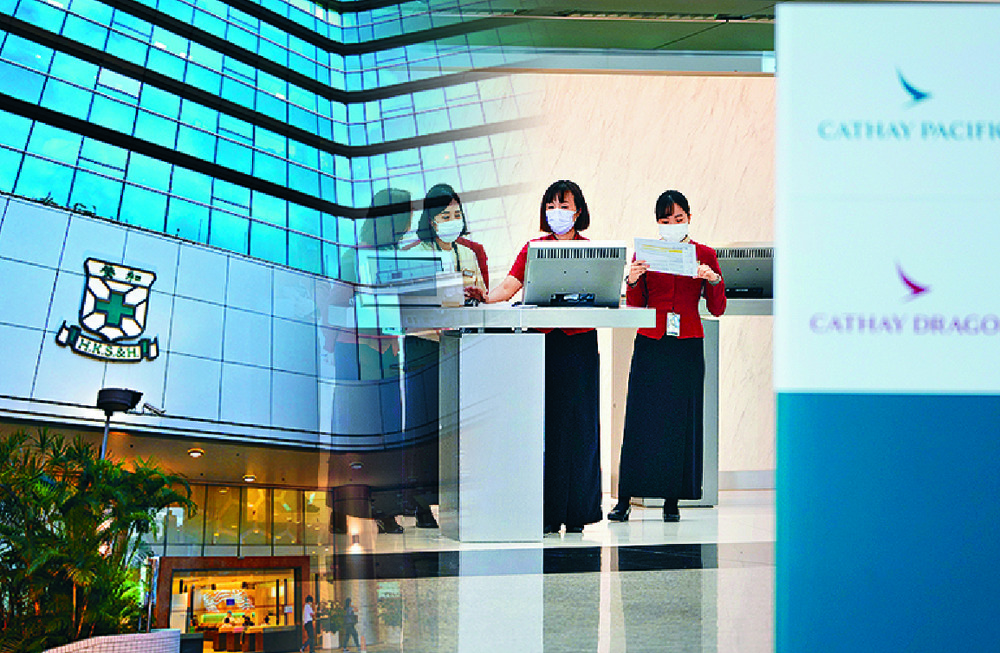
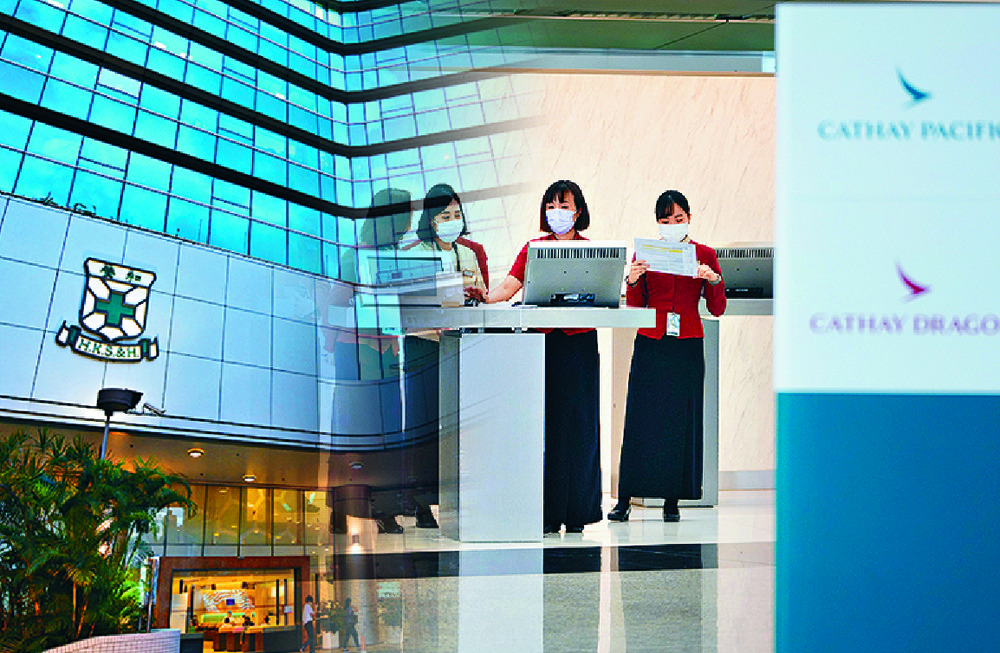
Yesterday it was revealed that Cathay Pacific Airways bagged HK$680 million under the Employment Support Scheme (ESS) on the heels of a separate government multi-billion-dollar bailout. Instantly, it became the employer receiving the biggest slice of the ESS pie to date.
ADVERTISEMENT
SCROLL TO CONTINUE WITH CONTENT
Some sectors that are least affected - or may even benefit from a pandemic - are treated exactly the same as others that are suffering greatly.
Earlier, the announcement that Hong Kong Sanatorium and Hospital was awarded HK$85.9 million in ESS subsidies raised many eyebrows.
In contrast to small retail businesses dependent on consumer spending, it is very difficult to imagine how the top private hospital that charges premium rates could be adversely affected by the pandemic.
Would the rich who fall sick stop seeing doctors and cancel surgical procedures at the Happy Valley hospital due to the pandemic? The answer could not be more obvious.Then the government announced that Centaline Property Agency was given HK$115 million - the biggest sum handed out at that time. This, too, was incredible given the speed that new property developments have been sold in recent days.
It is clear that some sectors have been spared by the pandemic. The strong stock market performance since the passage of the national security law has even spurred an inflow of hot money.Under the subsidies, the government pays 50 percent of the wages paid by employers to staff on regular payrolls for three months - up to a monthly limit of HK$9,000 per employee.
It is not the world's most generous scheme - Britain's "furlough scheme" pays employers 80 percent of the wages. As the British economy slowly reopens, the furlough scheme will be withdrawn gradually.The query over moral hazard is legitimate, but it is one that would be impractical for any government to attempt to overcome.
An important feature of any assistance program, if it is meant to offer a meaningful lifeline, is the timely release of aid to businesses in need.Remember the devastating experience following the government's undertaking to give one third of local residents HK$4,000 in cash two years ago? Back then, administration fees not only accounted for 3 percent of the cost but also seriously delayed payment to people in need.
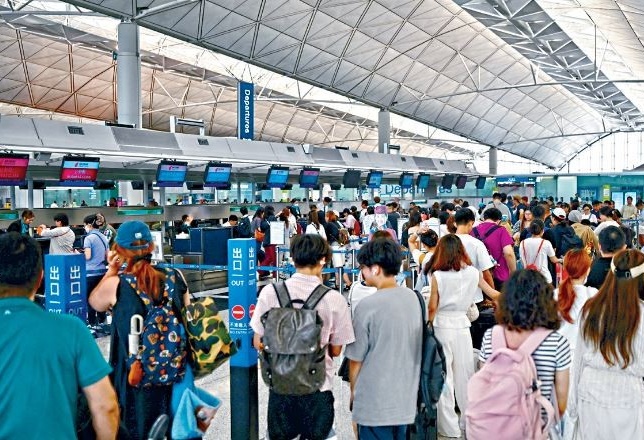
Had the ESS been selective to screen out some employers least affected by the crisis, I'm afraid the administration cost would have eaten up part of the fund and delayed payouts.Unlike the health-care sector which is less exposed to economic uncertainty, the aviation industry has been the worst hit by the Covid-19 pandemic. With fleets still grounded, nobody can predict when the planes will take off at full capacity again.
Now that Cathay Pacific has received the money, it must honor its promise to keep its staff.