Read More





ImmD crackdown targets moonlighting domestic helpers arresting 17
19-05-2026 17:52 HKT

One dead, four injured in Jordan flat fire, 200 residents evacuated
22-05-2026 00:48 HKT
Imagine the cashier paying you for filling up your car at the gas station - or that a bottle of Perrier sparkling water costs more than a whole tank of petrol.
These are totally absurd scenarios - but not theoretically impossible in the wake of Monday's vertical dive in the oil futures market.
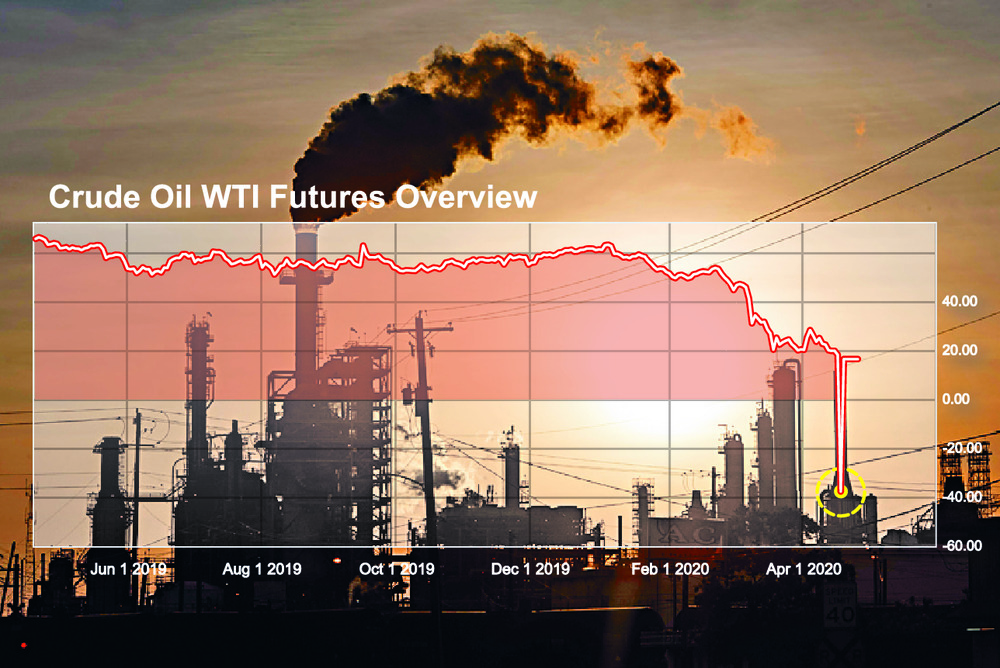
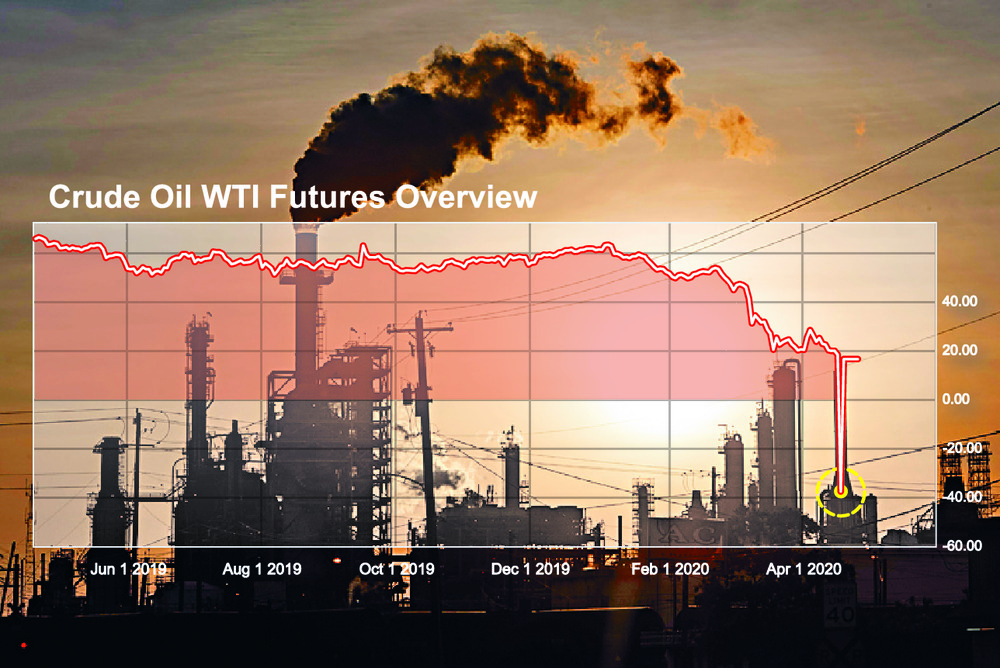
When the futures crashed below zero to hit as low as minus US$40 a barrel, it literally meant that buyers should get paid for taking the oil.
Alas, it was too good to be true as I found out when I filled up my Honda yesterday.
The dramatic episode in oil futures was unprecedented, but it was more technical than real. It was technical in the sense that the negative prices were limited to some crude futures for May delivery with expiration yesterday.
As storage facilities ran out of space, those still holding the May contracts had to scramble for facilities to store the oil that no buyers wanted. They are left with few alternatives unless they are willing to pay large sums to lease unused oil tankers to store the oil.
To make things worse, even this would be a temporary solution since tankers would be filled up fast if the global economy doesn't restart to use up some inventory or oil companies don't stop pumping their wells.
It's a scenario that few were prepared for, just as much as many governments were unprepared for the coronavirus pandemic in the beginning.
As far as the market in general is concerned, oil is still a commodity of positive value. For example, oil futures for June, July and August were traded well above zero dollars. Futures that do not limit physical delivery to a specific inventory site - contrary to the West Texas Intermediate - should be flexible enough to avoid such a nightmare.
That being said, it would be misleading to lightly brush off the dramatic dive even though the incident was both unique and technical. If the global economy had not been shut down with no one knowing when it would return to normal, it is plausible that the fall to negativity would not have happened. The stock markets here and in Wall Street seem to have stabilized for the time being, but the oil drama indicates the stock markets have yet to reflect a bigger concern: recession.
The world is already in a state of recession. The only question is whether this recession will last long enough to kill off companies in waves despite lifelines thrown by administrations around the world to keep them afloat.
Some companies have already thrown in the towel. Virgin Australia was dealt a deadly blow after the virus forced the airline to ground its entire fleet and begin the process of bankruptcy administration.
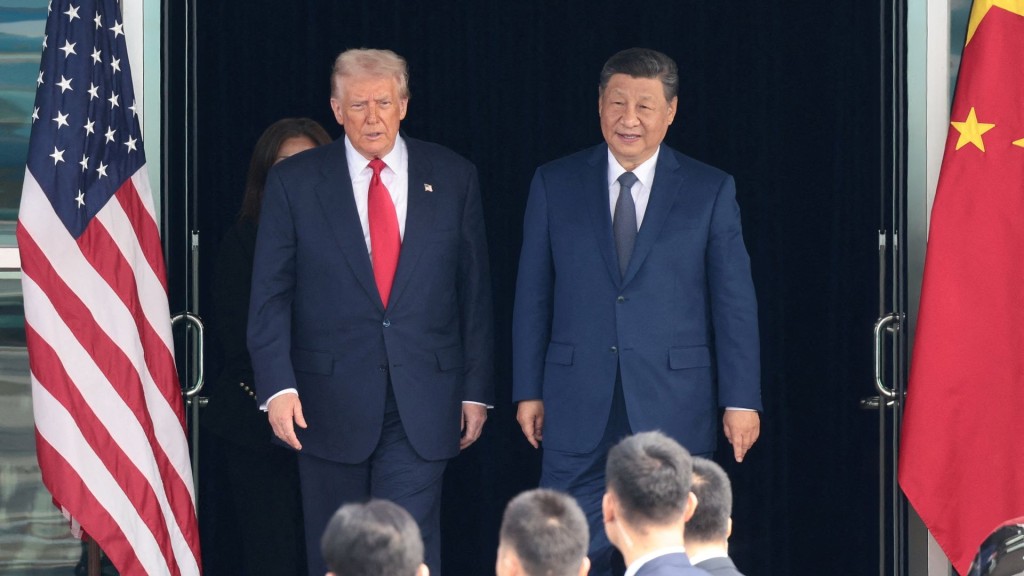
For American oil drillers, it's also become a money-losing business to extract oil. That has forced President Donald Trump to talk the talk of paying them to stop pumping at their wells. Will many end up bankrupt too?
But it's not just the US that is feeling the pain. Nations reliant on oil revenues, like Russia and Saudi Arabia, are hard hit too.