To tackle its persistently low marriage rate, China has abolished the long-held policy of restricting marriage registration to the place of household registration, removing a major hurdle for marriage-minded couples by allowing it to be processed nationwide.
One year into the new system, more than 500,000 couples around the country have chosen to marry in locations other than the places of their household registration, showing signs of a rebound in the marriage rate, according to East Week, a sister publication of The Standard.
Before China's revision of its Marriage Registration Regulations last October, as marriage records were not yet nationally networked, couples had to register their marriage where either partner's household is situated.
For people working in different provinces, returning to their hometown for marriage registration could prove to be a hassle. As of 2025, more than 180 million people in China had left their hometowns for work for an average of over six months each year, according to the National Bureau of Statistics.
But with the new regulations, couples can marry locally without spending too much time and money in traveling, which resolves one of the deterrents to tying the knot.
Consequently, marriage registrations have spiked in popular wedding destinations such as Qingdao, which saw a 28 percent increase in the first year of the new regulations compared to the previous 12 months, and Nanjing which saw a 15 percent increase.
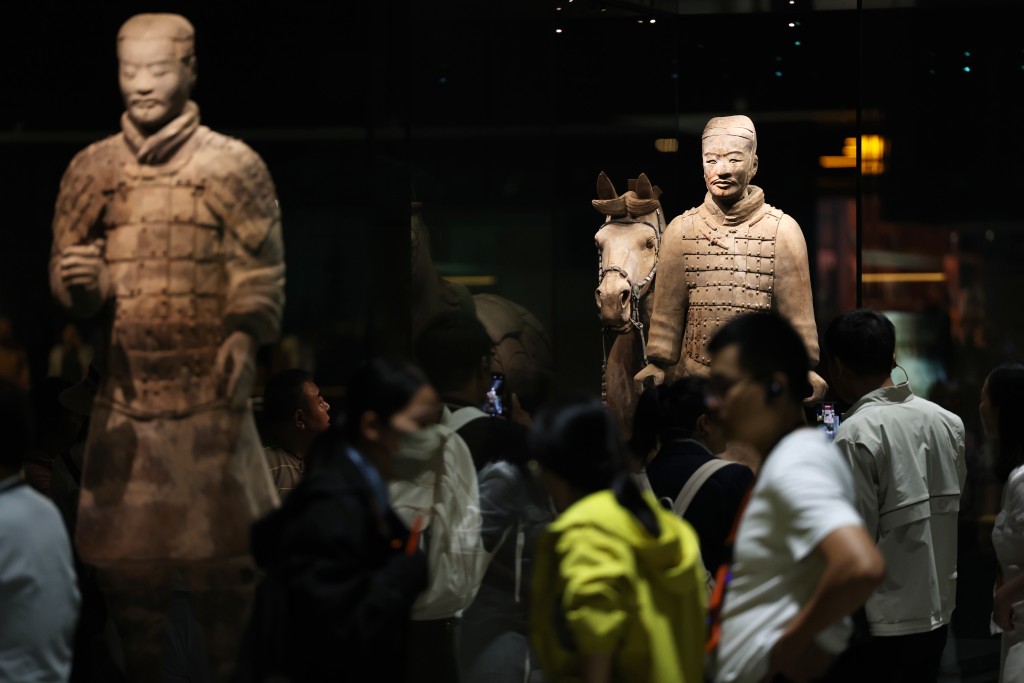
Tourist landmarks are transformed into popular wedding destinations. PHOTO BY AFP
Local governments were quick to hop on the rising marriage trend, moving marriage registration services to tourist hotspots – effectively boosting tourism through marriage-related activities.
In the month the new regulations were implemented, Nanjing moved its Xuanwu marriage registration office to the "heart-shaped" Huanzhou Island, creating a popular romantic landmark.
Xuanwu district even launched a "romantic travel map," connecting 21 related landmarks where newlyweds can enjoy discounts on over 150 services including wedding photography, hotels and restaurants, by presenting their newly acquired marriage certificates.
According to analysts, the boom in wedding-related activities has generated a "sweet economy" worth trillions of yuan for a single marriage certificate.