Read More

Why would Musk merge SpaceX and Tesla?
21-10-2026 14:52 HKT
Musk says will give SpaceX share to 'every kid in America'
20-10-2026 04:26 HKT
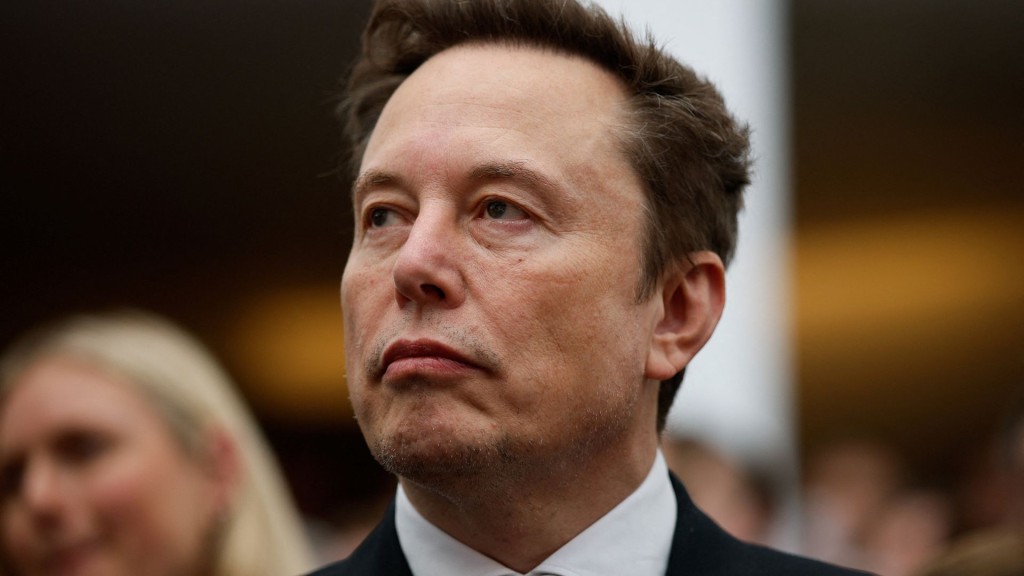
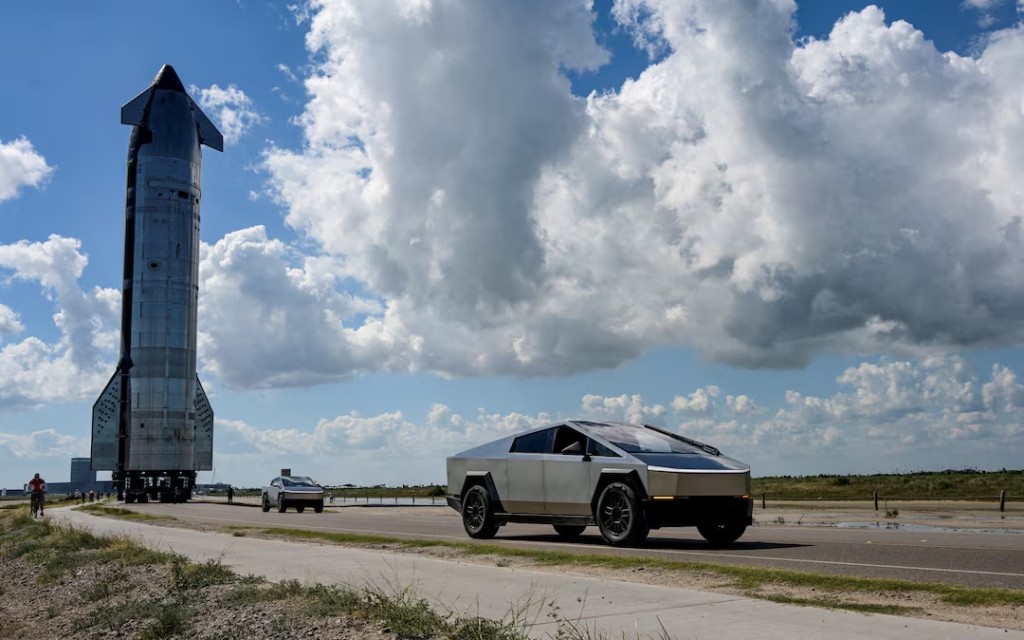
Elon Musk’s potential mega-merger of Tesla and SpaceX would likely face a China-shaped hurdle from regulators on both sides of the Pacific over concerns about national security and the sharing of data and technology.
The world’s richest person said on Tuesday his two companies had set up special committees to discuss a union, calling a merger a “good idea”. Turning it into reality, however, would mean navigating the thorny issue of Tesla’s heavy reliance on China for manufacturing versus SpaceX's defence business.
Rocket company SpaceX is increasingly reliant on sensitive US government and defence contracts, which could subject any merger involving Tesla’s business in China to intense scrutiny on national security grounds.
Chinese regulators also require Tesla to keep confidential user data collected by its automated driving systems firmly in China, and any firewall would have to prevent the flow of information or technology in either direction.
Below are some ways that Musk and the companies could look to clear any barriers put up by Washington or Beijing.
One potential option would be for the merged company to create a firewall around Tesla's Chinese operations to block access to sensitive data from SpaceX and other parts of the business. Such a move is not unheard of, said Daniel Kollar, head of automotive and mobility practice at consultancy Intralink Group.
Plenty of companies have been able to run major defence businesses outside of China while maintaining operations in the country, he said, citing Airbus AIR.PA and Honeywell.
SpaceX's defence-related businesses include Starshield, which develops military and intelligence satellite systems for the Pentagon.
A two-way firewall would also likely be the minimum requirement to ensure Tesla's data from Chinese drivers stays in China, analysts said. Since 2021, Tesla has been complying with Beijing's requirement to keep all driver data inside of China.
Tesla could continue to operate in China for years to come as a self-contained unit with its own research and development and strict agreements to keep all data inside China, said Michael Dunne, CEO of automotive advisory firm Dunne Insights, which closely follows China’s auto industry.
Keeping both Beijing and Washington happy about such a firewall, however, could be tricky, said Christopher Tang, a professor at UCLA's Anderson School of Management who specializes in global supply chains. He said the Chinese government is likely to try to use any proposed merger to negotiate a range of items as a condition for approval.
"China will use it as leverage," Tang said. "They have the bargaining power right now."
Ioannis Kokkoris, professor of competition law and economics at Queen Mary University of London, identified two possible concessions that China could seek: access for Chinese companies to strategically significant technologies, and commitments to retain manufacturing capacity and investment in China.
Any demand to share sensitive SpaceX-related technology, however, would run directly into US security restrictions.
Analysts have said there were likely three broad paths towards divestment: a spinoff in which Tesla retains a majority economic interest, a sale paired with long-term brand licensing agreements, or an outright sale, possibly to another automaker.
Any kind of divestment would come with plenty of complications, including the looming question of who would buy the asset. China's automakers, which do not need any extra capacity, are unlikely to be interested, said Li Yanwei, an analyst at the China Automobile Dealers Association.
Many foreign automakers, on the other hand, are already strapped for cash, making them unlikely buyers as well. Kollar said Musk would be more likely to sell the China operation off for parts rather than hand control to anyone else.
But Kollar added that unless Musk wanted to signal a retreat from the auto business, he expected Tesla to find a way to retain its China operations under the existing ownership structure.
Tesla China and China's State Administration of Market Regulation did not reply to requests for comment.
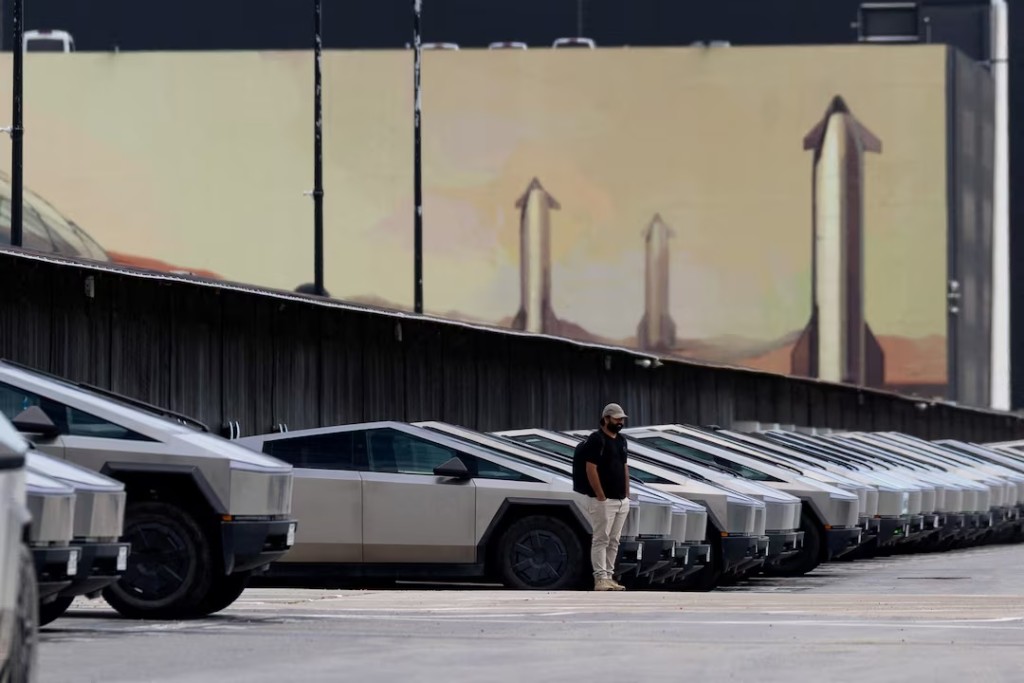
A clean break from China could be difficult. Chinese suppliers are deeply integrated in Musk's broader empire and Tesla's Shanghai production accounted for more than 50% of its global output, according to Yale Zhang, managing director at Shanghai-based consultancy AutoForesight.
Some investors, though, say those considerations aren't big enough to get in the way of a deal.
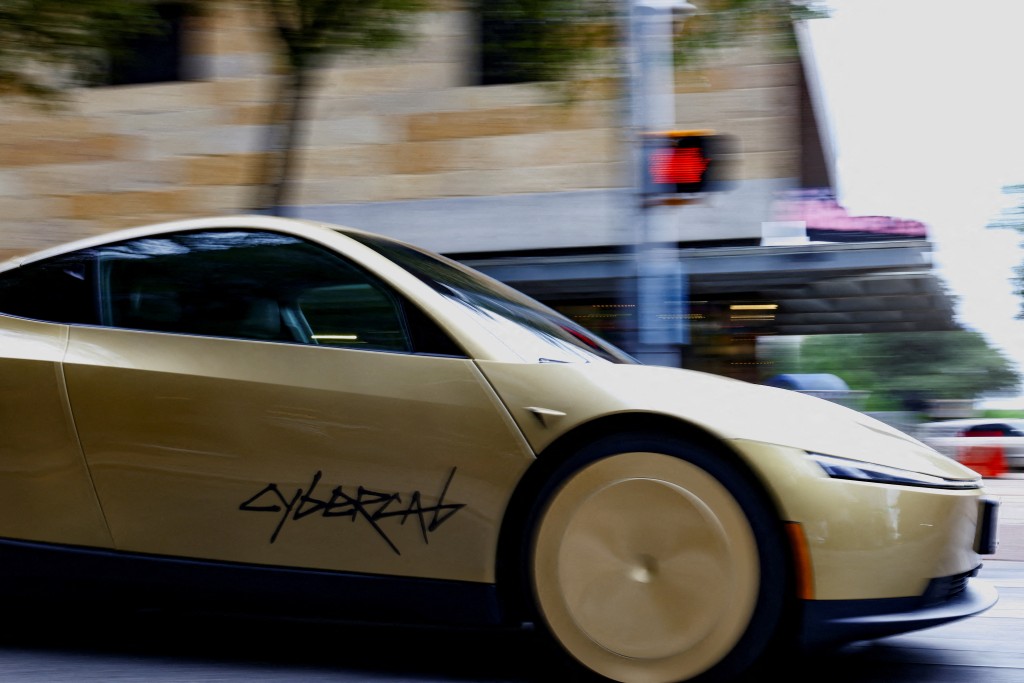
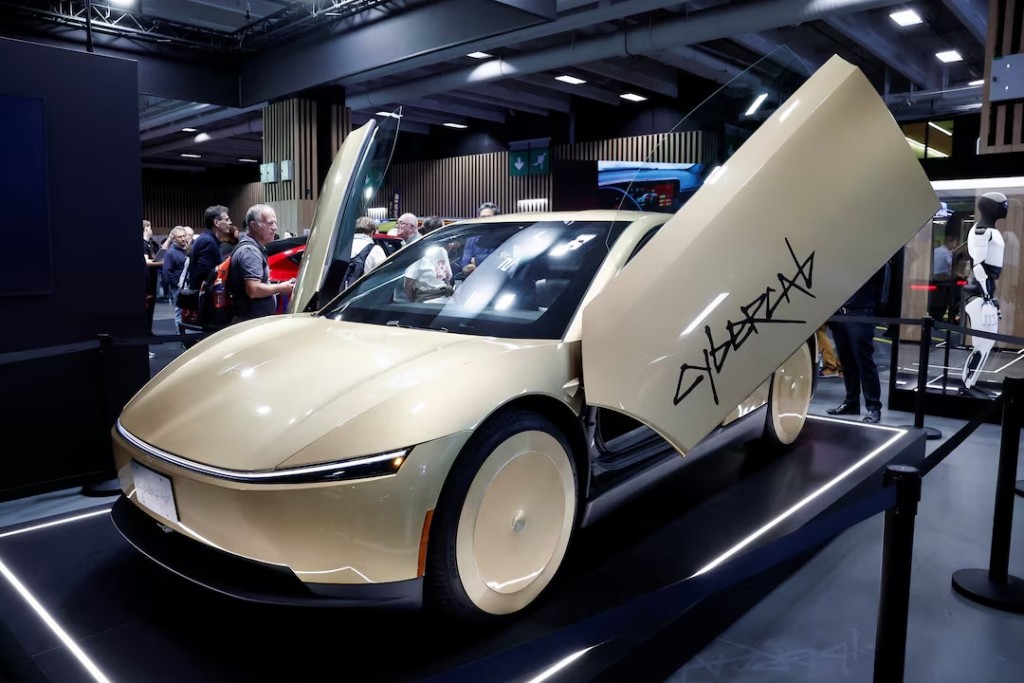
Brian Mulberry, chief market strategist at Zacks Investment Management, a Tesla and SpaceX investor, said Tesla's China manufacturing base is considerable, but the electric vehicle maker has already been making moves to expand US production, particularly for humanoid robots and the Cybercab driverless car, and many investors are more focused on Musk's promises for where these are headed.
Mulberry also said he thinks Tesla would argue to US regulators that its China operations wouldn't overlap with SpaceX, but if unsuccessful, he thinks Tesla could shut or scale back its China production.
"It's short-term enough and small enough to be digestible," he said.
Tang, the UCLA professor, said that while Tesla's future prospects may lie outside of China, its current EV business is heavily reliant on it. Much of the cash needed to finance its future bets comes from China EV production, he said.
"That is exactly why China will take advantage of this moment," Tang said. "Because you still need them."
Reuters