Read More
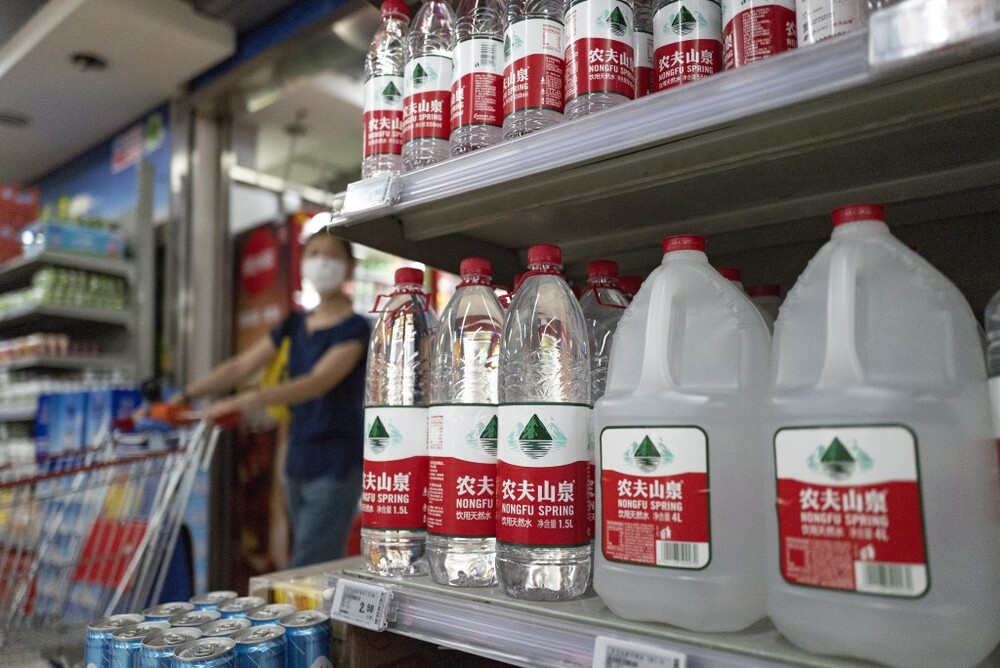
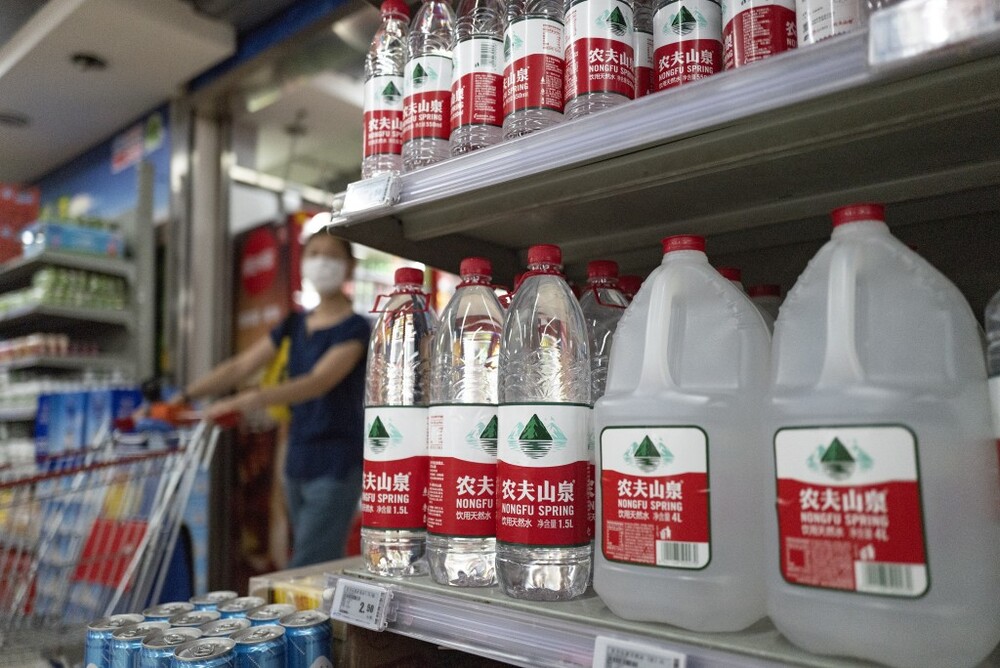
The Consumer Council apologized on Thursday for mislabeling and retested Nongfu Spring's water sample, raising its overall rating.
ADVERTISEMENT
SCROLL TO CONTINUE WITH CONTENT
This came after Spring sent out a lawyer's letter on Tuesday demanding the Consumer Council immediately clarify its "Taste, Mineral and Safety Test on 30 Bottled Water Products" report released on Monday, as well as to make a serious apology to the company and its consumers.
The Consumer Council today clarified the sample, stating that after meeting and having an in-depth exchange with the representatives of Nongfu Spring yesterday (Jul 17), it learned that the product in question is neither "natural mineral water" nor "purified drinking water", but just "drinking water".
It also added that the standard adopted by the company is the "National Food Safety Standard Packaged Drinking Water" from the place of production - the mainland.
In light of this, the council reclassified the sample into the independent category "natural drinking water" and scored the sample again.
From a consumer perspective, if the TDS value of the test results is used as a comparison, the taste of this sample is lighter than that of ordinary "natural mineral water" and stronger than that of general "purified drinking water".
As for its bromate content, the watchdog calculated that based on the European Union's standards and the National Food Safety Standard of Packaged Drinking Water, which both have a maximum bromate limit of 10 micrograms per liter, the watchdog found Nongfu Spring's consisted of 3 micrograms per liter.
The watchdog confirmed that it is within the range of the limit for "drinking water" and is well below the maximum limit, making it safe to drink.
After reassessment, the overall performance of this sample was adjusted from 4.5 stars to 5.
The consumer watchdog once again stressed that all tested water samples could be consumed without issue, pointing out that the report's key point was to compare the cost-effectiveness of various samples and the impact of bottled waters on the environment, not whether the products have safety concerns.