Read More
Hundreds of thousands of visitors have flocked to the Chinese-controlled regions of Macau and Hong Kong since September 29, data shows as China wraps up its Golden Week holiday, although the figures amounted to just about 85 percent of pre-pandemic levels.
ADVERTISEMENT
SCROLL TO CONTINUE WITH CONTENT
In the world’s biggest gambling hub of Macau, about 900,000 visitors swarmed narrow cobblestoned streets, many to punt in dozens of glitzy casinos, while others took selfie photographs at historic spots such as Senado Square.
During the eight-day national holiday, which runs until Friday, the number of daily visitors has surged more than five times from last year, taking hotel occupancy rates beyond 90 percent, executives said, speaking on condition of anonymity.
In a statement, the Macau government said, “The tourism bureau has urged hotel industry venues to optimize measures to cope with peak passenger flow.” Adding staff, shuttle buses and check-in counters are among such steps.
Mainland Chinese visitors constitute about 80 percent of visitors to the former Portuguese colony, which has a population of about 700,000 and is the only place in China where casino gambling is legal.
Mass gaming revenues have bounced back to pre-Covid levels, however, analysts said, citing a recovery of more than 100 percent, although earnings in the coveted “big-whale” VIP category was an estimated 15 percent of before.
“Things appear pretty in-line with our expectations of 100 percent plus recovery in mass gross gaming revenue,” said D S Kim, an analyst at J.P. Morgan in Hong Kong, comparing with 2019.
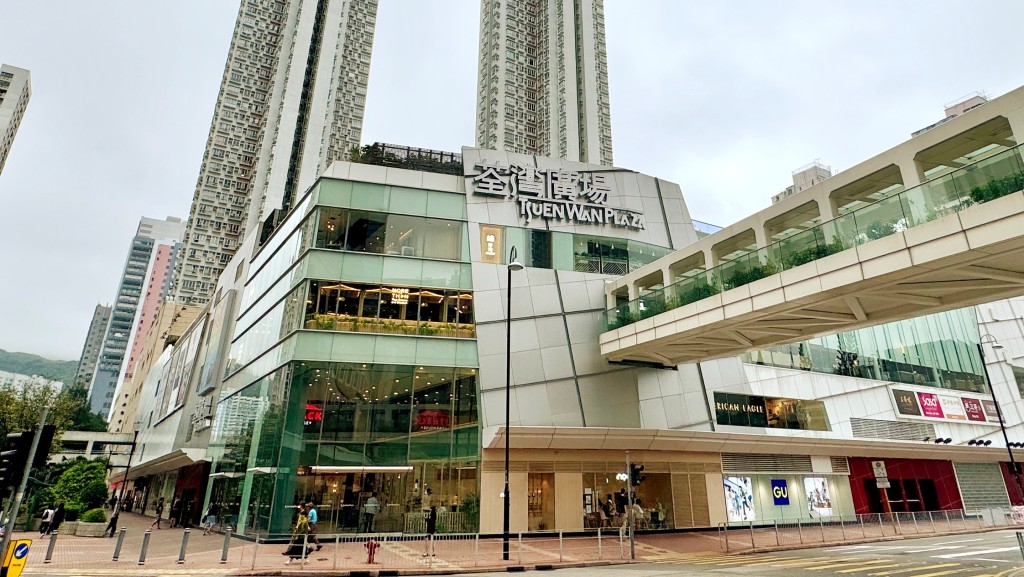
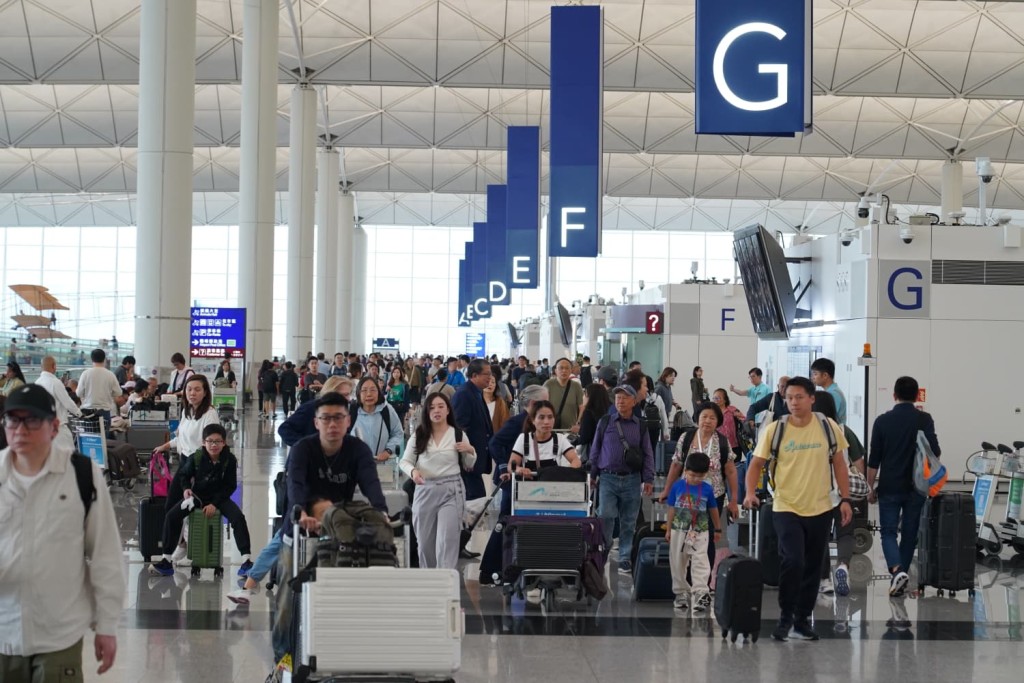
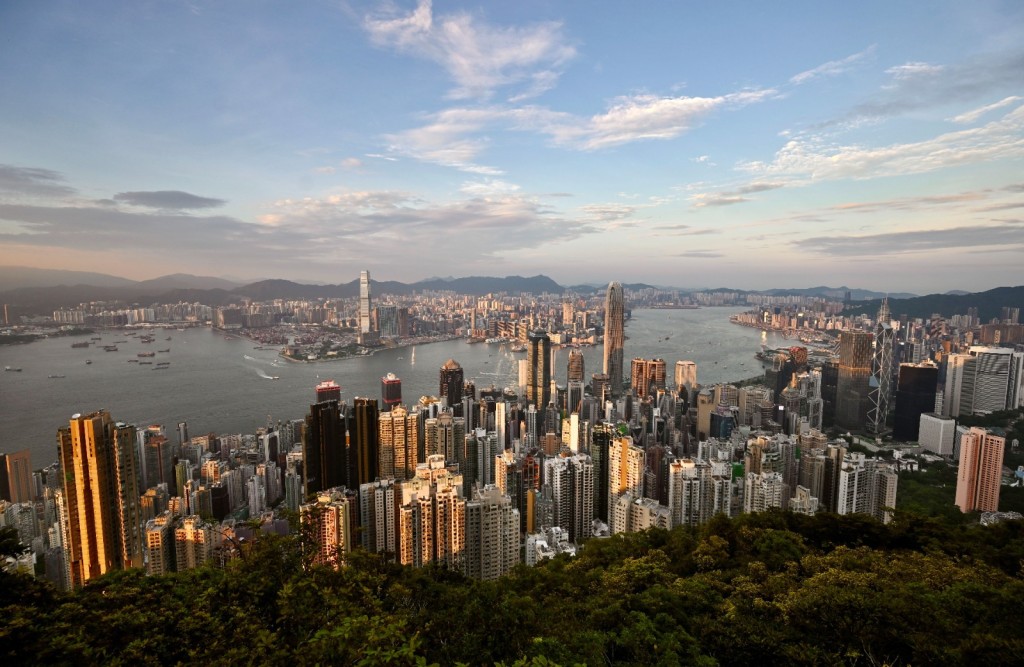
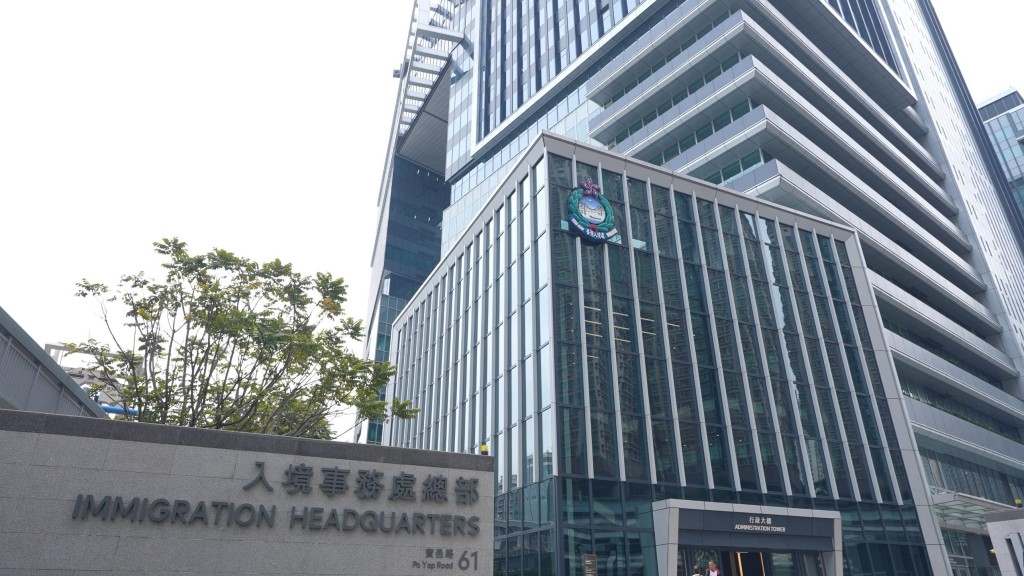
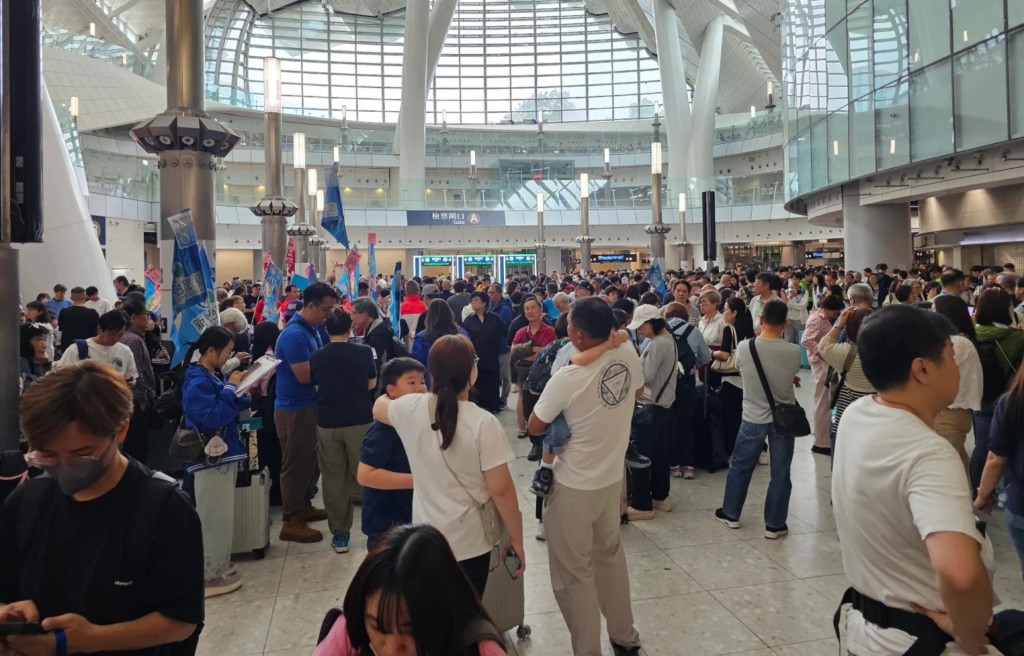
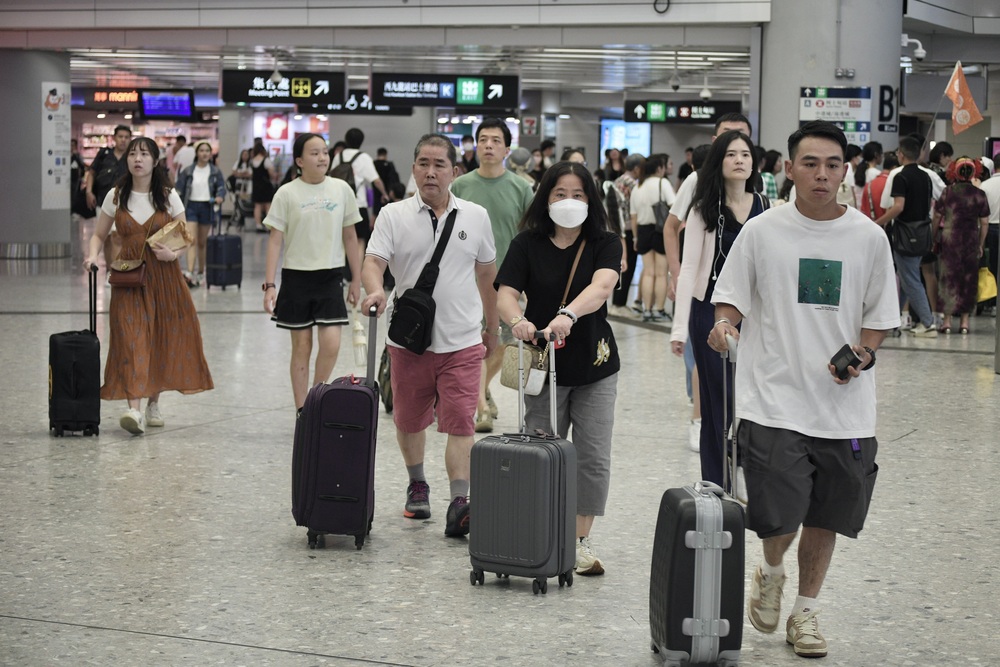
In nearby Hong Kong, about one million visitors had descended on the financial hub over the period from September 29 to Wednesday, during which 1.4 million residents left, immigration data shows.
Retailers said there was a 30 percent increase in foot traffic but sales were similar to a normal weekend, media reported, signaling the reluctance of some tourists to splurge.
Before anti-government protests in 2019, long queues were common during the holiday period outside luxury stores in the former British colony, long seen as one of the world’s top shopping destinations.
Tourists from greater China are the main driver of Hong Kong’s branded retail and luxury goods market.
Since the pandemic, however, many have changed their pattern of spending, opting for inexpensive dining and activities such as hiking or swimming at the city’s many beaches.
Despite a good flow of visitors, growth in business was not as high as the foot traffic, said Annie Yau Tse, chairwoman of the Hong Kong Retail Management Association.
About half the units are now vacant on prominent Hong Kong shopping streets that had attracted 56 million visitors in the days before the pandemic in 2019, real estate companies say.
The store closures followed the anti-government protests that year and a subsequent crackdown, which hit retail sales that were next battered by nearly three years of stringent Covid rules.
(Reuters)
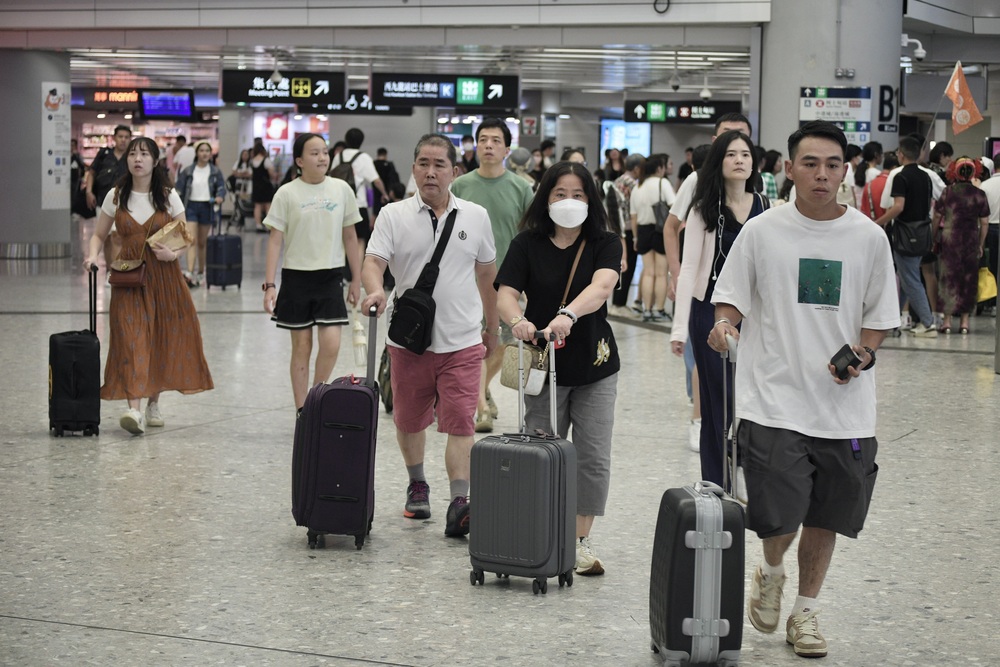
People crossing the border at the West Kowloon station to enjoy their Golden Week holidays on September 29, 2023. File photo.