Read More
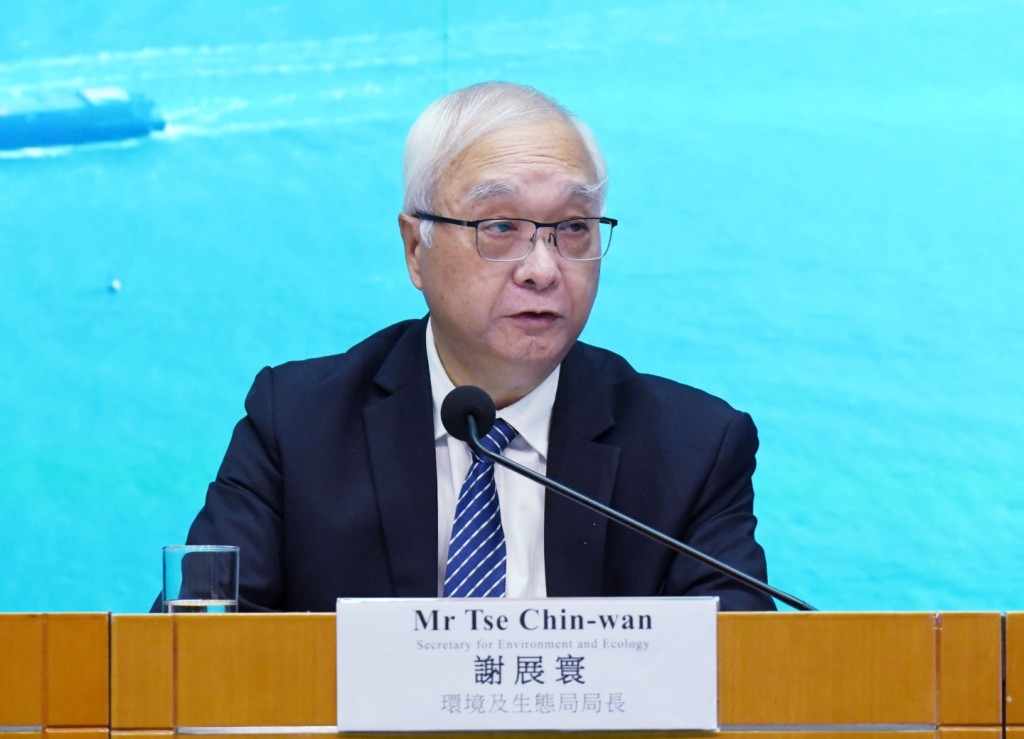
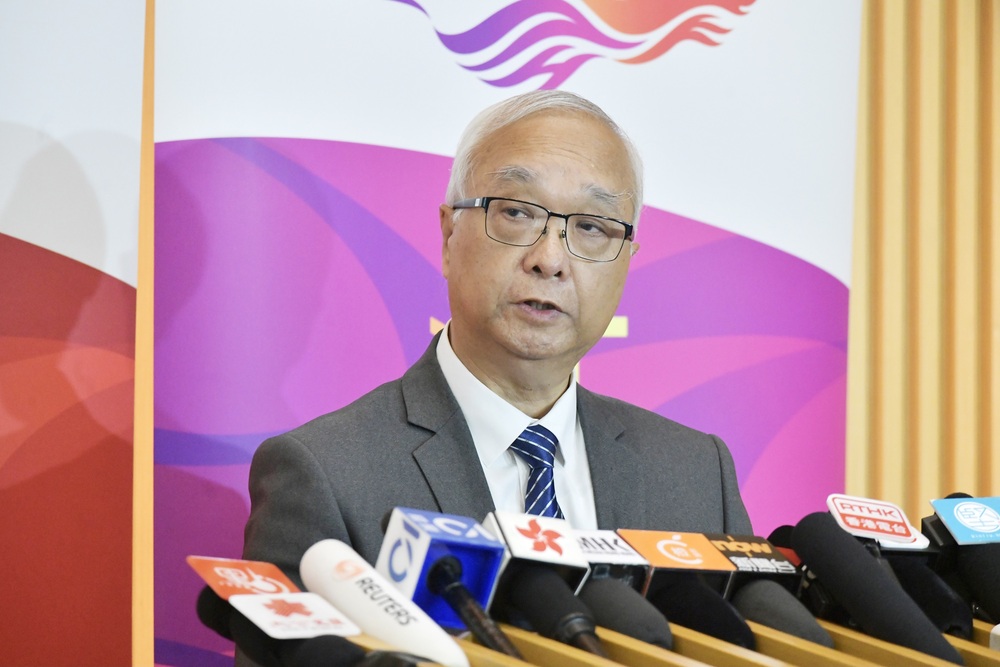
Hong Kong will ban the import of aquatic products from 10 metropolis and prefectures in Japan starting Thursday (Aug 24), Secretary for Environment and Ecology Tse Chin-wan confirmed on Tuesday.
ADVERTISEMENT
SCROLL TO CONTINUE WITH CONTENT
Yet, Tse refused to give the exact length of how long the ban will stay in place.
“It depends on the data and information we can collect and provided by Japanese authorities after the discharge [of treated radioactive water],” Tse told the media at a press conference in the afternoon.
Tse said the government will continue to monitor the overall situation. The government will only consider easing the ban if Japan’s handling on the disposal can give authorities faith on the safety of Japanese food, he added.
The 10 metropolis and prefectures are namely Tokyo, Fukushima, Chiba, Tochigi, Ibaraki, Gunma, Miyagi, Niigata, Nagano and Saitama.
The ban will cover living, chilled, frozen and dried aquatic products, seafood reserved in other means, sea salt, processed and unprocessed seaweed. The ban will be published in the government gazette tomorrow (Wed).
Tse said the Centre for Food Safety, the Agriculture, Fisheries and Conservation Department and the Observatory will strengthen the monitoring work of aquatic products and radioactive levels in the environment.
Latest monitoring figures including the radioactive levels of local fishing and Hong Kong waters will be released on the center’s website everyday. Authorities will regularly issue press releases as well.
The center will also step up examinations on food imported from Japan. The work targeting aquatic products from all of Japan and relevant processed food has started since mid-June, Tse noted.
When asked if authorities will offer any help to restaurants, Tse said “the best thing to do is to ensure that all food that can be imported to Hong Kong is safe.”
Tse also said authorities will discuss with the catering sector to introduce a certification system to protect food safety.
A previous ban imposed after the March 11 incident on food from five prefectures, including Fukushima, Chiba, Tochigi, Ibaraki and Gunma will also stay.
Tse said the SAR government will keep communicating with the local catering sector, Japanese food exporters and Japanese authorities.
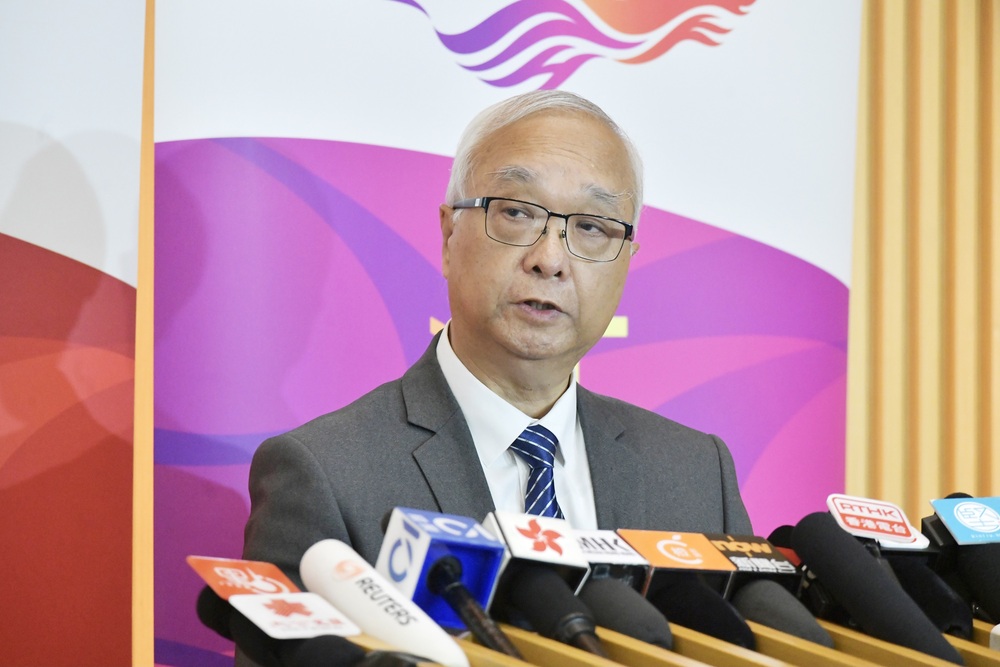
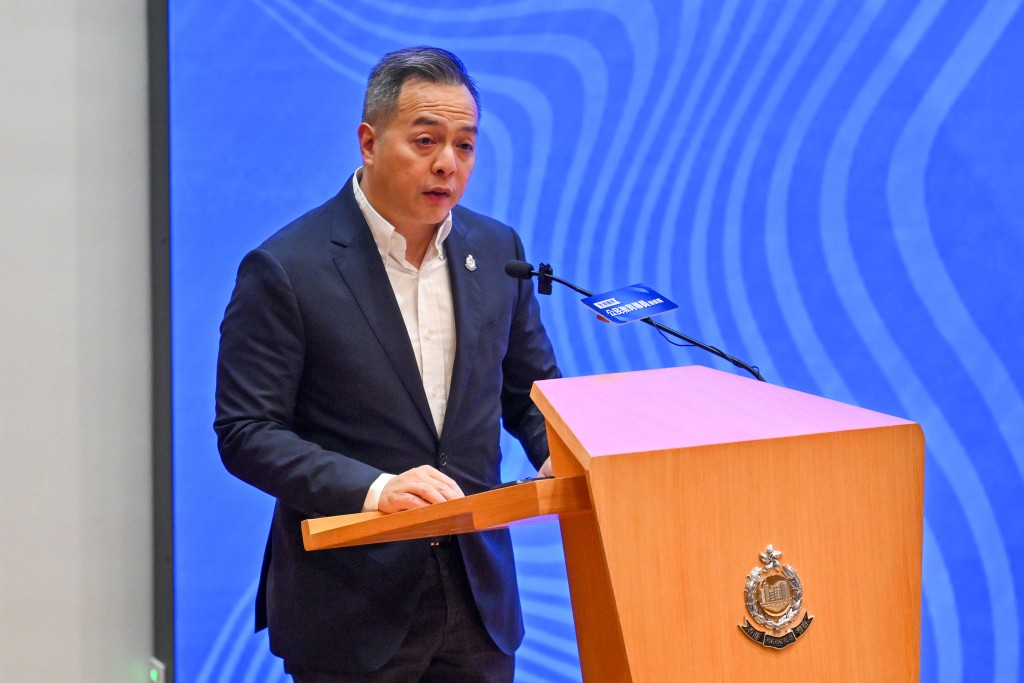
Secretary for Environment and Ecology Tse Chin-wan announces the ban on aquatic products from 10 Japanese prefectures on Thursday, August 22, 2023.