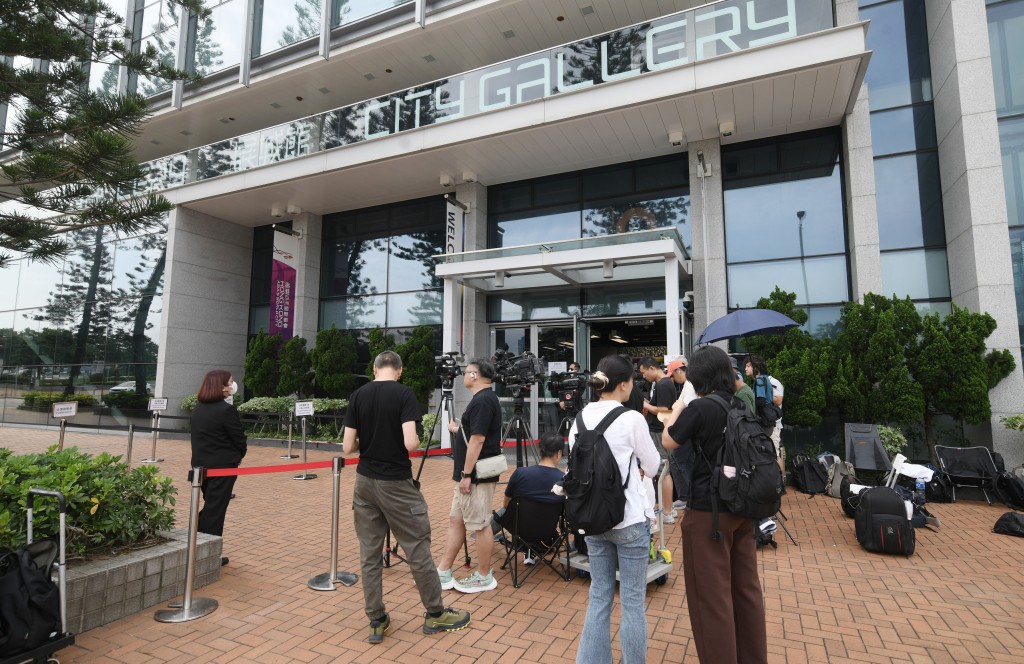
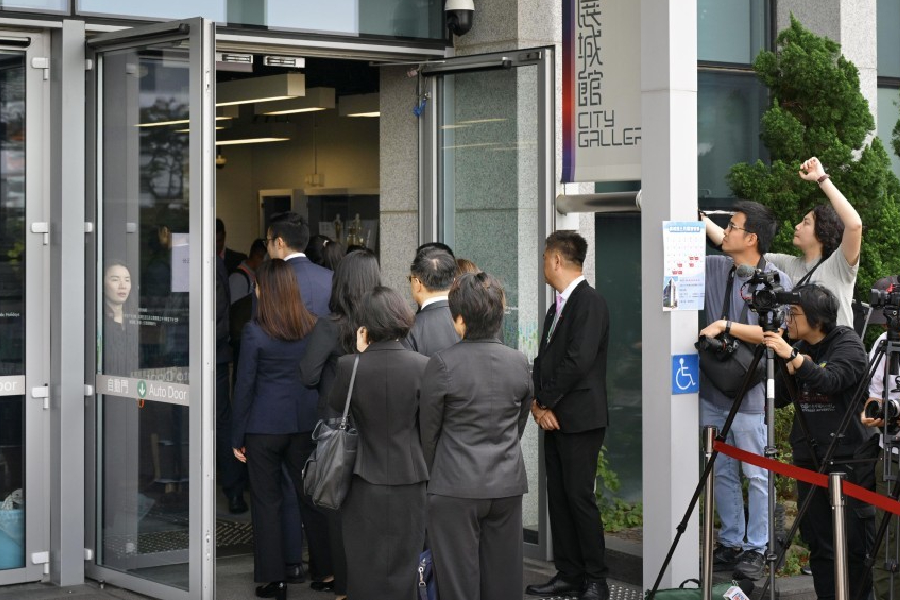
Secretary for Housing Winnie Ho Wing-yin recently invited legislative councilors, professional institute members, and industry representatives to tour two newly established show flats in Kowloon City, demonstrating how a modest renovation budget can create safe and hygienic living environments for subdivided flat tenants, paving the way for the elimination of substandard housing.
Joint research by the Census and Statistics Department and the Housing Bureau reveals that about 30 percent of the 110,000 subdivided units in Hong Kong are in poor condition.
To address this long-standing issue, the government introduced the "Basic Housing Unit" system to establish minimum living standards. The policy includes a 48-month transitional period and adopts a register-first, enforce-later approach, providing landlords with reasonable time to carry out modifications and apply for certification to gradually phase out substandard flats.
Since the Basic Housing Unit Ordinance took effect on March 1, the Housing Bureau has received nearly 11,000 registrations, covering approximately 10 percent of all subdivided units in the city.
The early surge in applications indicates a positive market response, with landlords generally well-informed and quick to cooperate. Those who complete their registration within the first year can enjoy full or partial waivers of certification fees.
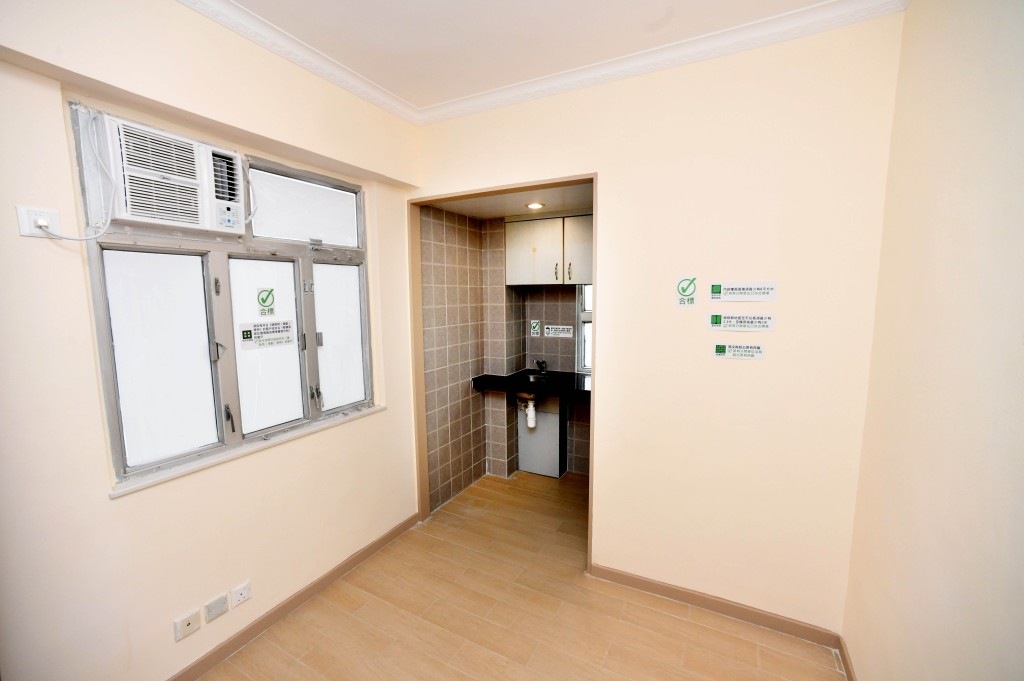
To highlight the practical viability of the policy, the Housing Bureau set up two show flats in Kowloon City last week.
These display units effectively dispel public misconceptions regarding minimum standards and renovation costs.
Previously, many landlords worried that upgrading their properties would be unachievable and falsely believed that modifications would cost hundreds of thousands of dollars.
In reality, the Housing Bureau retrofitted resumed residential units within the Kowloon City redevelopment project, creating flats with two and three subdivided units, respectively.
The renovation costs ranged merely from HK$25,000 to over HK$50,000. Utilizing practical and safe materials while preserving original layouts as much as possible, these units offer a realistic reference for landlords.
Modifications meeting minimum standards
Attendees of the show flat tour agreed that the renovation works offer flexibility and that costs could be recouped through a few months of rent.
This investment grants a five-year certification validity, enabling long-term legal operation. Under Secretary for Housing Victor Tai Sheung-shing also expressed confidence that the government's reference costs align closely with private market quotations.
The primary significance of the show flats lies in visualizing the minimum standards.
According to the code of practice, compliant flats must meet eight requirements, including a minimum area of eight square meters, reasonable ceiling height, independent toilets, adequate lighting and ventilation, proper water supply, fire safety, structural safety, and independent electricity meters.
The show flats allow stakeholders to visually grasp what compliance looks like, demonstrating that early preparation makes meeting the standards both achievable and affordable.
The quality of Hong Kong's subdivided units varies significantly. While some meet the needs of office workers and students, roughly a third are characterized by cramped spaces, water leaks, fire hazards, and pest infestations.
Historically, many landlords prioritized maximizing rental income while neglecting basic maintenance, with some owning hundreds of such units and exploiting the subdivision process to its limits.
Political figures noted that these deep-rooted issues have reached a critical point.
The current administration has actively addressed housing challenges by rapidly constructing 30,000 Light Public Housing units and cracking down on public housing abuse. The Basic Housing Unit system extends these efforts to ensure grassroots tenants have access to reasonable, safe, and hygienic accommodations.
Orderly phase-out of substandard units
The system, which affects approximately 220,000 residents, requires a gradual rollout.
The 48-month transition period includes an initial 12-month registration phase, followed by a 36-month grace period for registered units.
This provides operators with sufficient time to secure certification, ensuring an orderly transition away from substandard housing.
Acknowledging that the policy will inevitably displace some tenants, the Housing Bureau has deployed six regional service teams to help affected residents find alternative accommodations, such as certified Basic Housing Units and transitional housing.
An additional arrangement introduced last October offers targeted assistance to households with urgent short-term relocation needs, relaxing eligibility restrictions on income and assets to ensure no tenant becomes homeless due to the policy shift.
The Housing Bureau emphasized that enforcement actions will not commence during the first year, which focuses solely on encouraging free and simple registration. Orderly enforcement will begin in the second year, guided by a pragmatic and people-oriented approach.
Deadly Jordan fire exposes subdivided flat hazards
In a tragic related development, a recent fatal fire at Man Yuen Building in Jordan claimed the life of a 69-year-old wheelchair-bound man and injured four others.
While the Fire Services Department found no suspicious circumstances and suspects an electrical leak, the incident revealed that the flat had been heavily subdivided into nine separate cubicles, reigniting public debate over the hidden dangers of such housing.
The affected flat, measuring approximately 517 square feet, was partitioned into units averaging just 57 square feet each—well below the 86-square-foot minimum mandated for Basic Housing Units.
Following the incident, Secretary for Housing Winnie Ho Wing-yin noted the severe fire hazards present in the unit.
She stated that the tragedy further solidifies the government's resolve to push forward with the Basic Housing Unit Ordinance, reiterating that landlords have a vital responsibility to comply with the new safety requirements.