Read More





UK denies BN(O) visas to Hongkongers with protest convictions: report
23-09-2026 18:59 HKT
Hong Kong relaxes eligibility for HZMB Seamless e-Channel service
24-09-2026 20:01 HKT


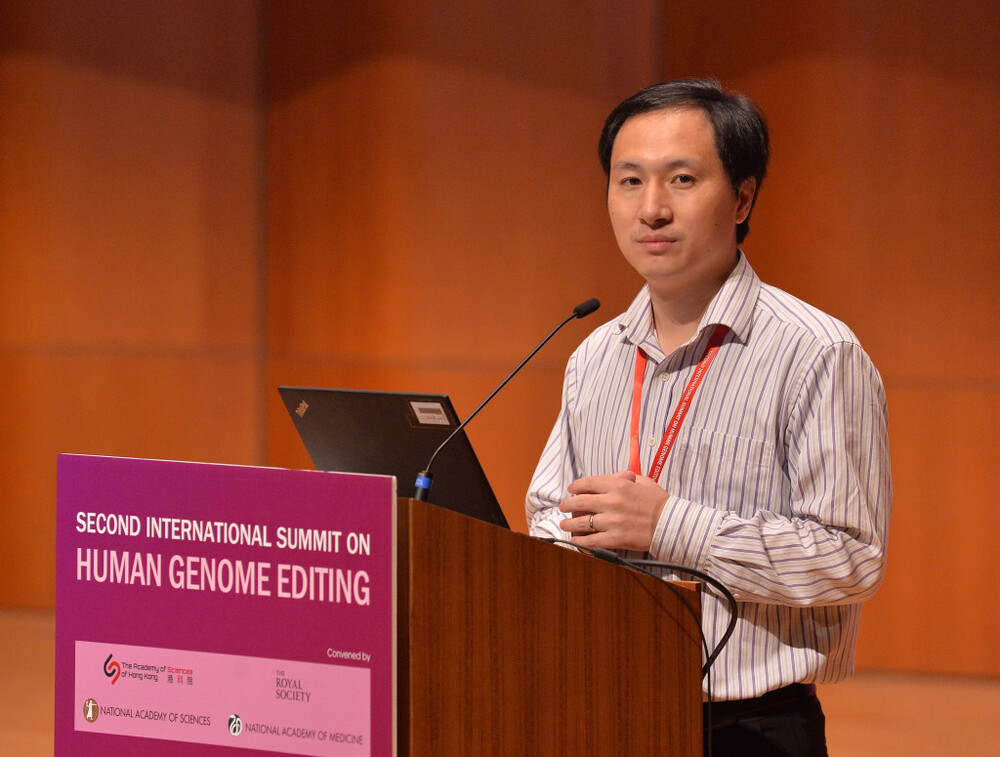
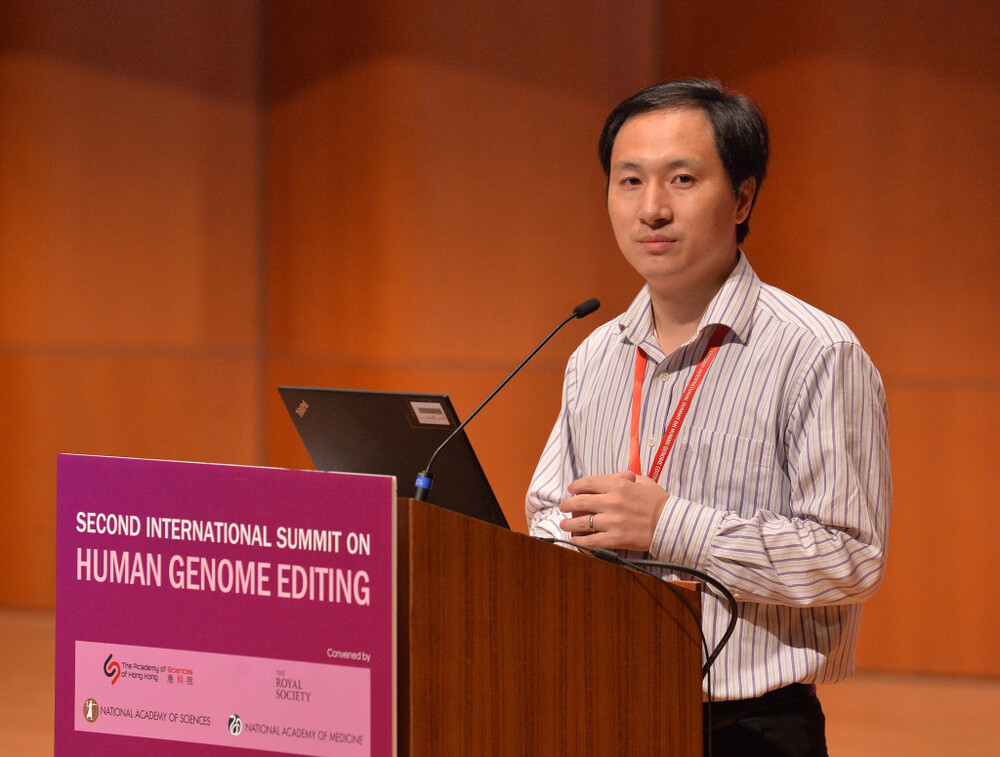
He Jiankui, a scientist who sparked global controversy in 2018 when he claimed to have created the world’s first “gene-edited” children and was sentenced to three years in prison for violating medical regulations, was approved entry to Hong Kong through the city’s Top Talent Pass Scheme.
In an interview on Tuesday, He said he had obtained a visa through the talent scheme and is likely to travel to Hong Kong next month.
He said he plans to conduct research in Hong Kong regarding genetic therapies for rare diseases and has contacted local academics and companies for collaboration.
He refused to go into details when asked whether he encountered difficulties applying for the talent visa.
He Jiankui previously shocked the scientific community when he announced at a conference in Hong Kong that he had created genetically modified twin sisters, dubbed Lulu and Nana.
The following year, a Shenzhen court found the scientist guilty of “illegal medical practices” and, in addition to the prison sentence, fined him 3 million yuan.
Meanwhile, Secretary for Labour and Welfare Chris Sun Yuk-han acknowledged that applicants of the talent scheme were not required to declare their criminal record.
When asked about the case today, the labor chief told reporters he would not comment on individual cases, adding that the Immigration Department would act as gatekeepers regarding the issuance of relevant visas.
Sun said the visas would be invalidated should the applicants make false declarations, while authorities could still revoke the visas after their issuance.
Sun stressed authorities are constantly reviewing the application process and will make adjustments accordingly in the future.