Read More




Night Recap - October 26, 2026
3 hours ago
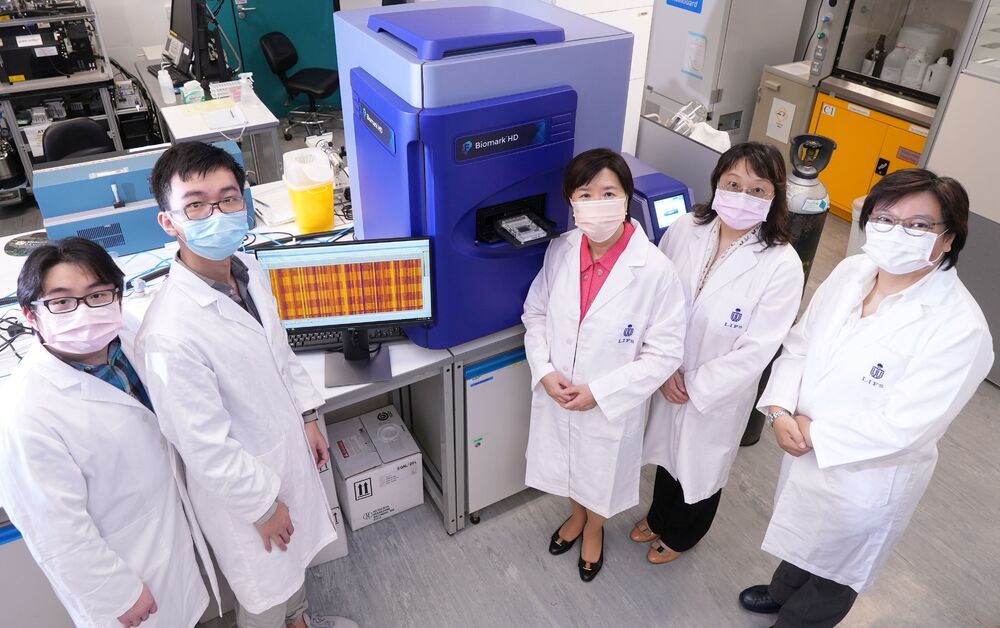
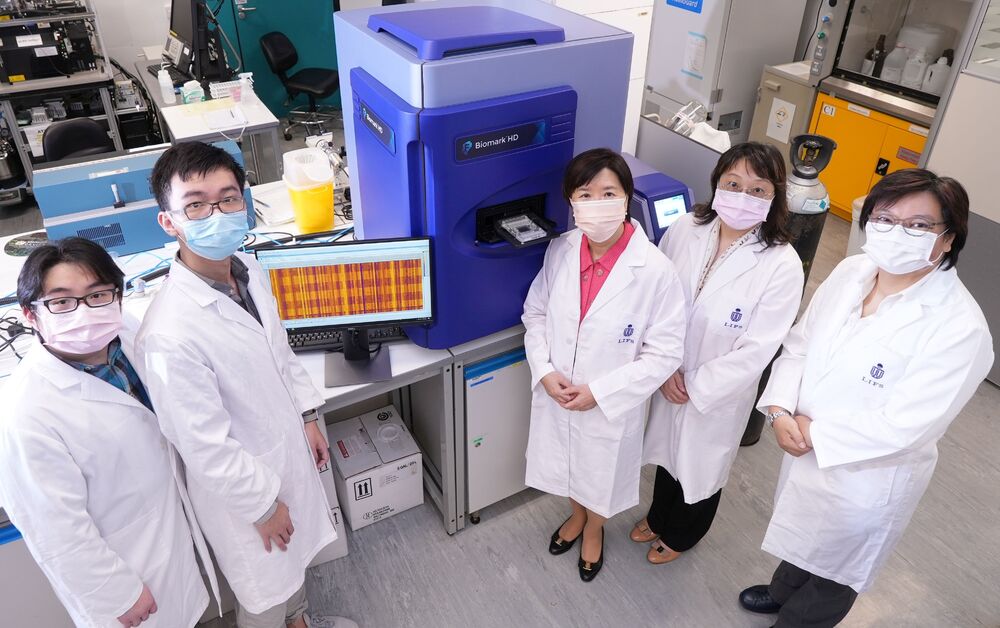
The Hong Kong University of Science and Technology has developed a blood test method for early detection and screening of Alzheimer’s disease (AD) for the first time, with an accuracy level of over 96 percent.
A team led by the university’s vice-president Nancy Ip Yuk-yu identified 19 out of the 429 plasma proteins related to the disease. The team was then able to distinguish patients from healthy people with those proteins with more than 96 percent accuracy.
The test could also differentiate among the early, intermediate, and late stages of the disease and it can be used to monitor patients’ condition, the university said.
“With the advancement of ultrasensitive blood-based protein detection technology, we have developed a simple, non-invasive, and accurate diagnostic solution for AD, which will greatly facilitate population-scale screening and staging of the disease,” Ip said.
Currently, more than 50 million people are suffering from the disease around the world, the university said, adding that most patients would only see doctors when they have memory problems although the disease starts to affect the brain at least 10 to 20 years before symptoms appear.