Read More
The U.S. Secretary of State Anthony Blinken said the release of the latest update to the Hong Kong Autonomy Act report showed that China's National People's Congress had unilaterally undermined Hong Kong's electoral system in its March 11 decision.
ADVERTISEMENT
SCROLL TO CONTINUE WITH CONTENT
Washington sanctioned an additional 24 Chinese and Hong Kong officials over Beijing’s ongoing crackdown on political freedoms in the semi-autonomous city, including a decision to overhaul Hong Kong’s electoral system, ahead of Blinken's meeting with two Chinese officials in Alaska on Thursday. Blinken and White House national security adviser Jake Sullivan will meet with State Councilor Yang Jiechi and Foreign Minister Wang Yi in Alaska.
"Foreign financial institutions that knowingly conduct significant transactions with the individuals listed in today's report are now subject to sanctions," Blinken said in a statement.
The sanctions were introduced under the Hong Kong Autonomy Act (HKAA), which was passed by the United States last year in response to the imposition by Beijing of a new national security law in Hong Kong that bans secession, subversion and collusion with foreign forces.
The people listed are deemed to have contributed to the failure of China in meeting its obligations under Hong Kong’s mini-constitution.
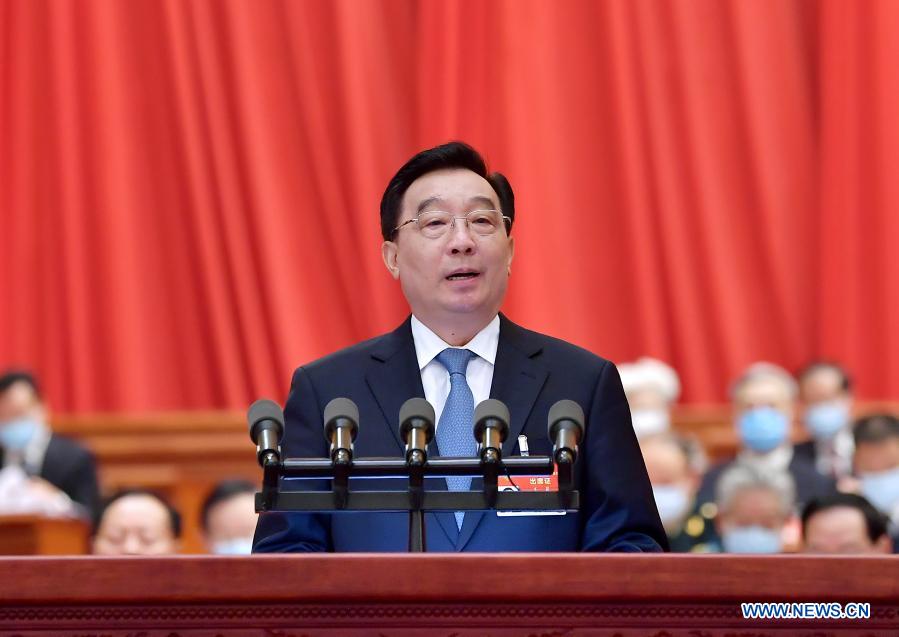
Amng them is Wang Chen, a member of the Chinese Communist Party’s elite 25-person Politburo and the ranking Vice-Chairperson of the Standing Committee of the National People’s Congress, which was responsible for developing and adopting the National Security Law, the report says.
Wang explained the draft decision on Hong Kong at the opening meeting of the fourth annual session of the 13th NPC on March 5 in Beijing. On May 22, last year, he also explained the draft decision on national security legislation to the third session of the 13th NPC.
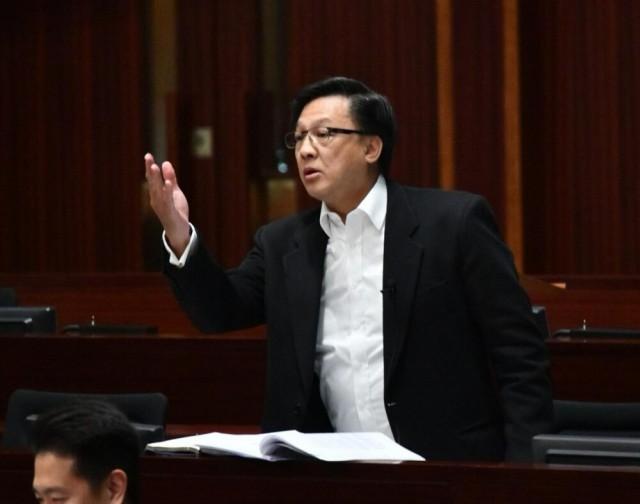
Among Hong Kong figures, is Tam Yiu-Chung, the Hong Kong delegate to the Standing Committee of the National People’s Congress, which was responsible for developing and adopting the National Security Law.
The Standing Committee drafted the National Security Law, bypassing Hong Kong’s legislature. The Standing Committee then voted unanimously to adopt the National Security Law and listed it in Annex III of the Basic Law, allowing it to be enforced in Hong Kong.
Several officers from Hong Kong’s National Security Division were also sanctioned, including Li Kwai-wah, a senior superintendent, as well as Edwina Lau, a deputy commissioner of the Hong Kong police force and the head of the division.
The division was set up under the National Security Law to handle matters related to national security, including investigating crimes under the Law.
The officers from the division were said to have carried out dozens of arrests under the Law, including and was involved in the mass arrests of fifty-five pro-democracy politicians and activists in Hong Kong on January 6-7.
Blinken said the report identified 24 China and Hong Kong officials whose actions have reduced Hong Kong's autonomy..
China's legislature approved on Thursday a draft decision to change Hong Kong's electoral system, further reducing democratic representation in the city's institutions and introducing a mechanism to vet politicians' loyalty to Beijing.-Reuters/Additional reporting The Standard.
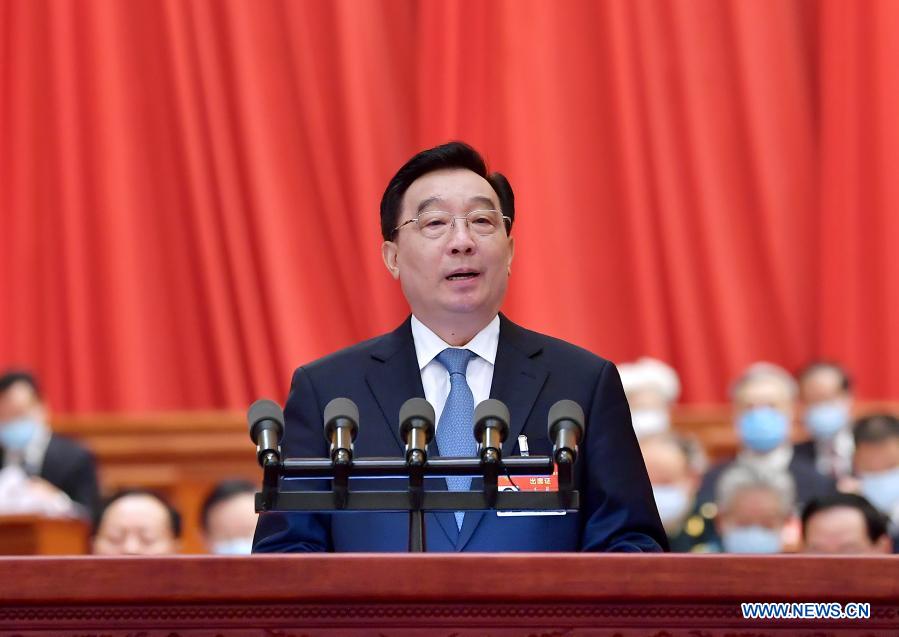
Wang Chen, vice chairman of the Standing Committee of the National People's Congress, at the opening meeting of the fourth session of the 13th NPC at the Great Hall of the People in Beijing, March 5, 2021.
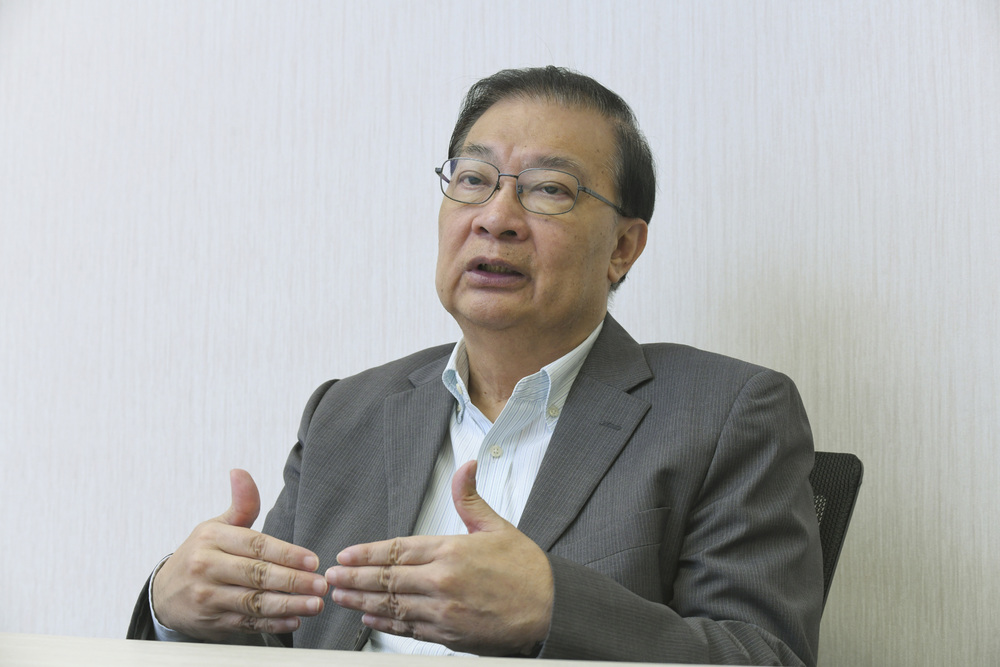
National People’s Congress delegate, Tam Yiu-chung was also sanctioned in January by the United States, but said at the time that he does not have assets in the US.