Read More


Night Recap - June 5, 2026
3 hours ago







Cathay Pacific's executive director and CFO Rebecca Sharpe to step down
04-06-2026 17:35 HKT
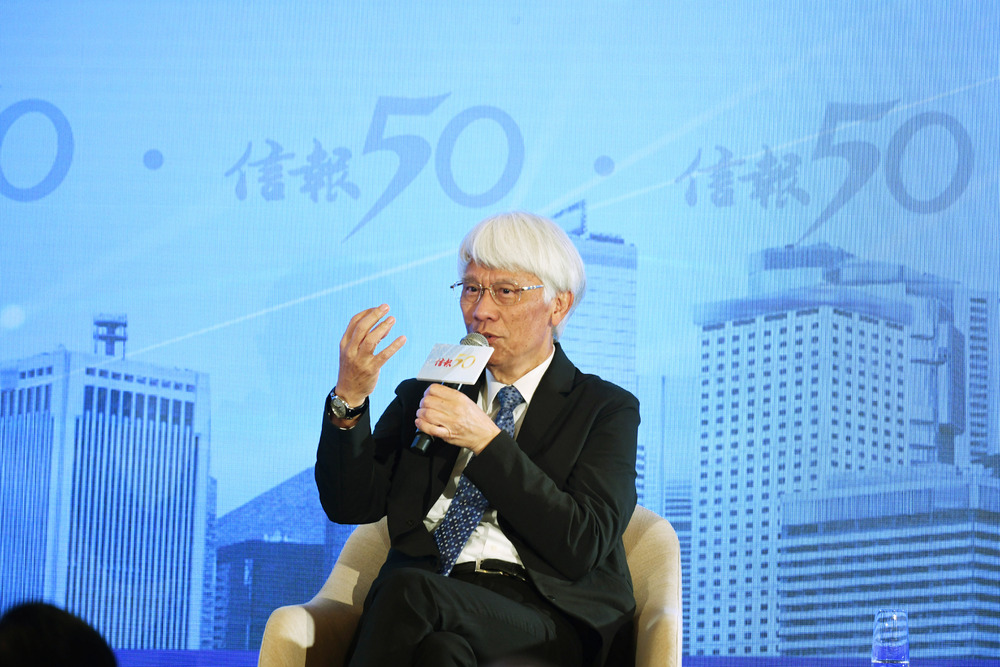
The internationalization of the yuan has been slower than expected after 20 years of development, says Joseph Yam Chi-kwong, former chief executive of the Hong Kong Monetary Authority.
Speaking at a forum yesterday, Yam, who is also an adviser to the People's Bank of China, said the past development had primarily been driven from the grassroots rather than through a top-down approach.
Proposals from Hong Kong for the internationalization of the currency required long negotiations with mainland departments in the past.
So, he suggested, the central government should adopt more proactive policies in the future, incorporating Hong Kong into top-down designs, thereby enhancing the effectiveness of promoting the international use of the yuan.
The blueprint has to take into account how the two financial systems under one country, two systems could serve the nation effectively and Hong Kong should take part in the domestic circulation of finance, Yam said.
For example, a closed-loop system could be established in the Greater Bay Area to allow Hong Kong banks to accept deposits and provide loans, and securities firms to engage in stock trading, he said. Yam emphasized that such closed-loop management would have minimal impact on Hong Kong's financial stability.
It is unrealistic to expect the city with a population of 7.5 million to handle the immense financial flows between 1.4 billion people and other regions, but Hong Kong could still play a role in the country's financial international circulation, he added.
The four real-time gross settlement systems for the Hong Kong dollar, US dollar, euro and the yuan were established to allow overseas and mainland investors to have the flexibility to choose the currency they prefer when they put their money in the city, Yam said, adding that the multicurrency financial infrastructure is suitable and unique for Hong Kong as an international financial center.
Secretary for Financial Services and the Treasury Christopher Hui Ching-yu said at the same event that some international investors are considering increasing allocations to currencies other than the US dollar, including the yuan, amid asset diversification.
Hong Kong has an edge over other regions, thanks to infrastructure like the Bond Connect, which enables foreigners to tap into the mainland bond market.
Hui also said promoting the development of virtual assets and technology could help support the city's financial industry. But Yam thought otherwise.
Yam said he agreed that technology such as blockchain could be used to provide financial services and enhance efficiency but questioned how virtual assets could support the economy.
"They don't even have a balance sheet to look at. I wouldn't buy them because I don't even know what's behind them. The prices go up simply because of speculation. I might as well go to the casino," he added.
Sun Yu, vice chairman of BOC Hong Kong, said at the forum that he observed a significant interest in yuan assets among local individuals and institutions during his visit to the Middle East.
Editorial: Financial face-off awakens dozers