Read More



Night Recap - June 12, 2026
12 hours ago







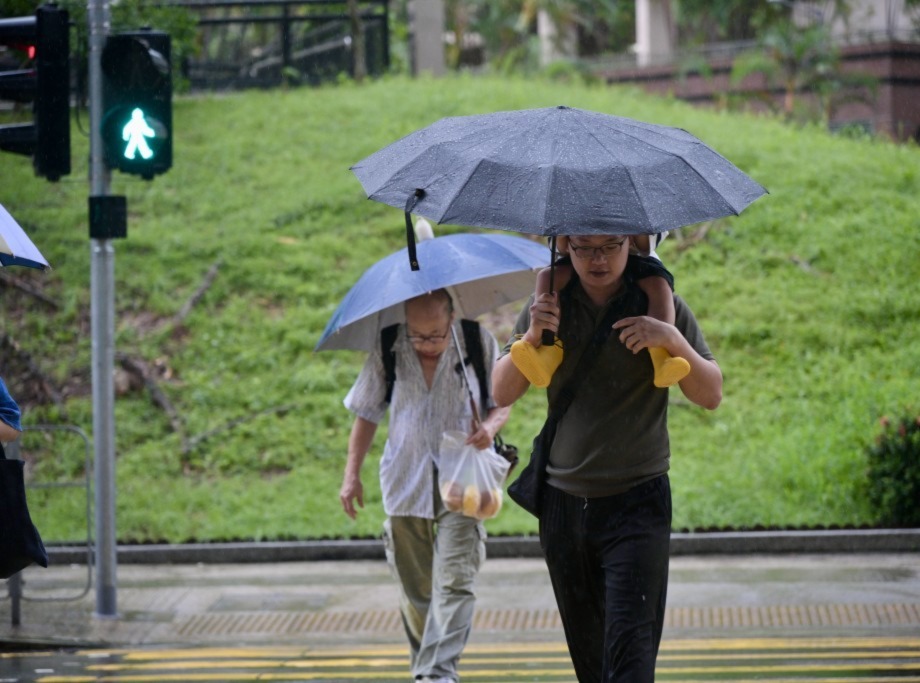
Nine-day rainy spell to hit HK with heavy showers and thunderstorms expected
11-06-2026 22:45 HKT

ICC chief hails Hong Kong as dispute resolution hub
08-06-2026 07:20 HKT
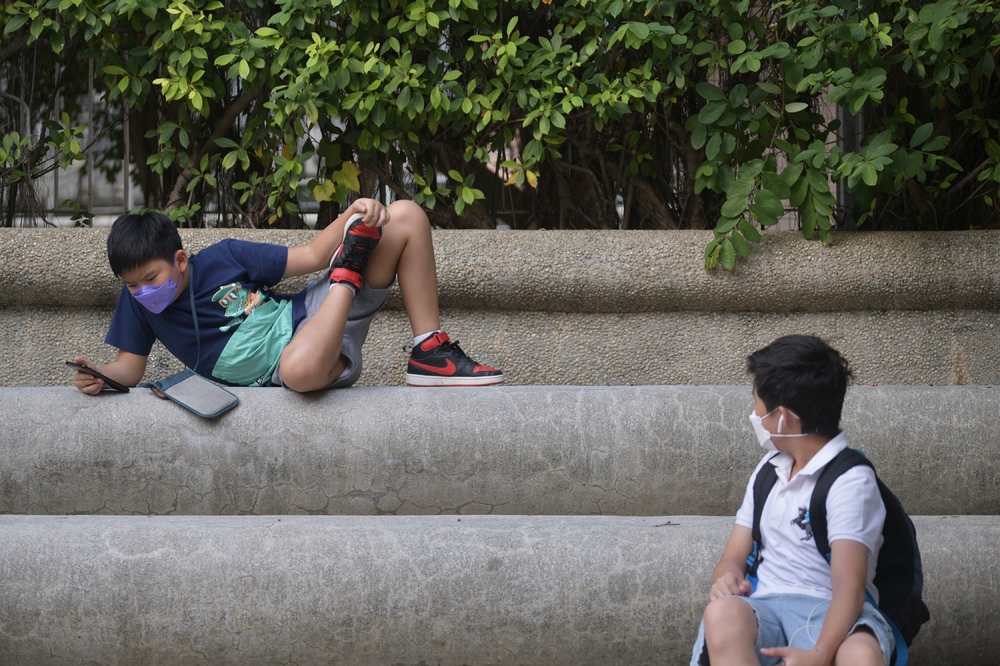
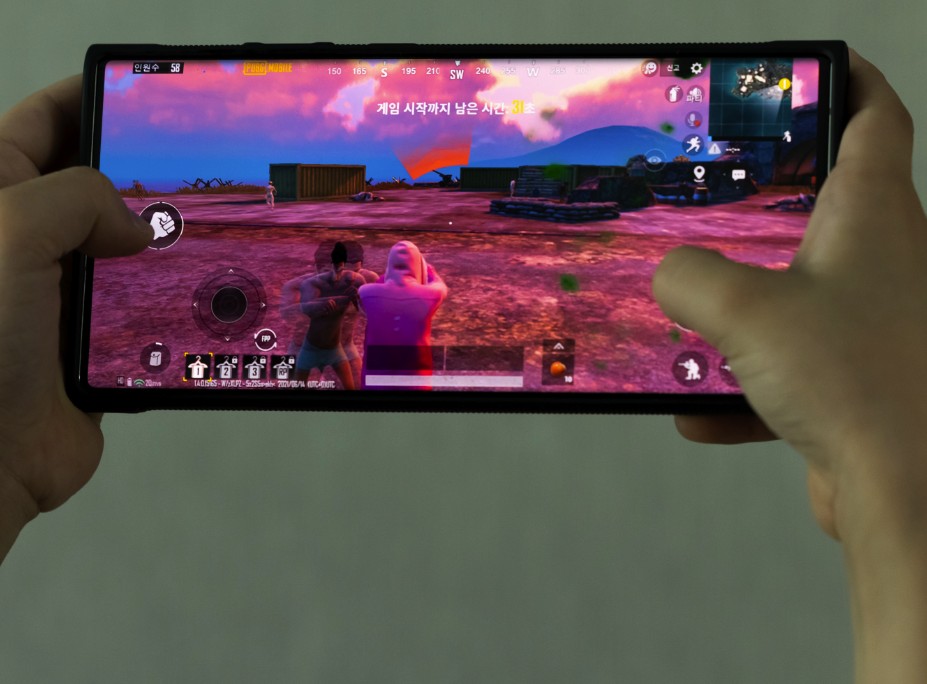
One in 10 primary and secondary school students has internet gaming disorder, which is linked to mental health conditions, a study has found.
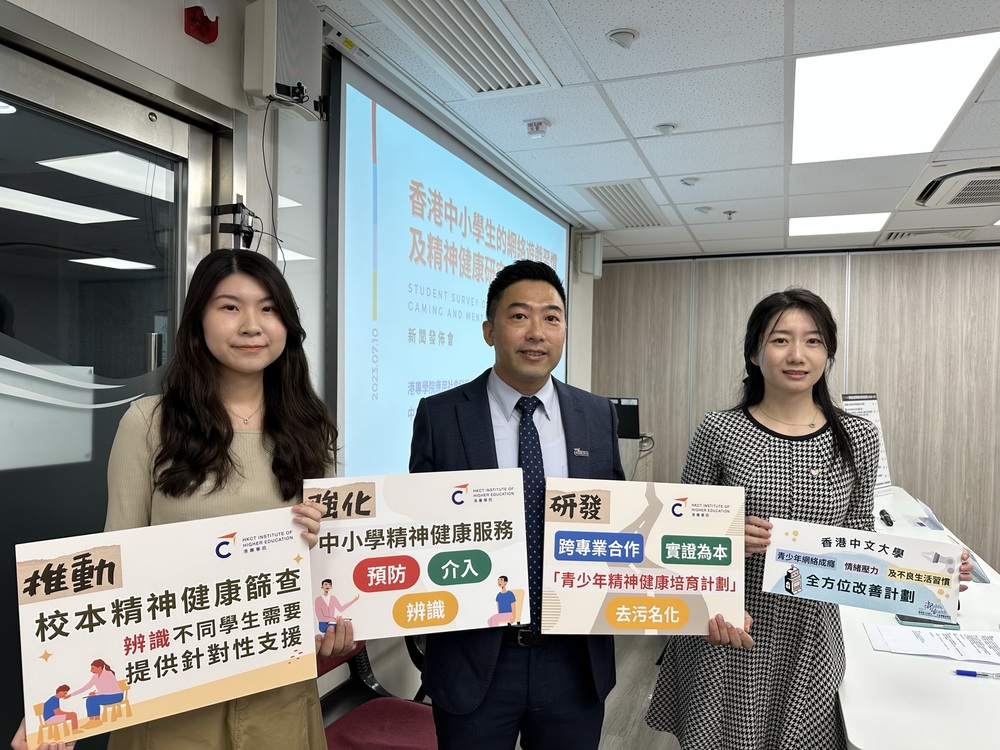
The study conducted by HKCT Institute of Higher Education and Chinese University found more than half of students have moderate to severe depression or anxiety.
It surveyed 2,770 students from six primary and four secondary schools between June and December last year.
The poll found that 31.8 percent did "binge gaming" - playing online games continuously for five hours or more - while more than 40 percent engaged in "binge watching."
Some 350 students - or 12.6 percent - had internet gaming disorder, with the youngest aged between six and eight.
The lead researcher, Nick Tse Ka-wo, assistant professor of HKCT Institute of Higher Education, said many parents had been using electronic devices as "pacifiers" since their children were young.
Coupled with the online classes during the pandemic, this resulted in habitual use of computers by students, making them more prone to be addicted to playing computer games.
He said internet gaming disorder affected the students' academic performance, mental health and their relationship with parents.
Measures to limit teenagers' gaming have been put in place in the mainland.
Since September 2021, gamers need to register with their ID cards, and all online gaming companies are allowed to provide players under 18 years old with only one hour of gaming on Fridays, Saturdays, Sundays and public holidays.
But Secretary for Health Lo Chung-mau said last month that limiting playing hours and real-name registrations on gaming accounts would not be a priority compared to smoking and alcohol addictions.
"Although problems arising from video gaming addiction is a concern, its causes and impact require further research," he said.
The survey also found 49 percent of respondents self-assessed they had moderate to very severe depression symptoms, 53.3 percent had moderate to very severe anxiety, and 62.8 percent had moderate to very severe stress.
More than 65 percent had poor sleep quality, 38 percent slept less than seven hours a day, and 13.3 percent had taken sleeping pills.
Another researcher, Sherry Yang Xue, research assistant professor in CUHK Jockey Club School of Public Health and Primary Care, said: "Based on our study and previous studies, we found internet gaming disorders and mental health problems and sleep quality are significantly correlated.
"Children who have internet gaming disorder are more likely to develop depression or anxiety."
If students had depression, they were more likely to vent negative emotions by playing games, she added.
The research team suggested that schools could consider conducting large-scale screening every year to categorize students into high, medium and low-risk cases. They could also systematically allocate resources for targeted preventive and supportive measures.
They also suggested promoting mental health problems in the community on a regular basis through activities such as exhibitions, carnivals and sports days, so as to consolidate the understanding of different mental illnesses, enhance acceptance and reduce stigmatization.
People who were in need were urged to seek professional assistance.
stacy.shi@singtaonewscorp.com