Read More


Morning Recap - April 9, 2026
2 hours ago










Exclusive | $100m at risk as UK home project stalls
08-04-2026 08:00 HKT


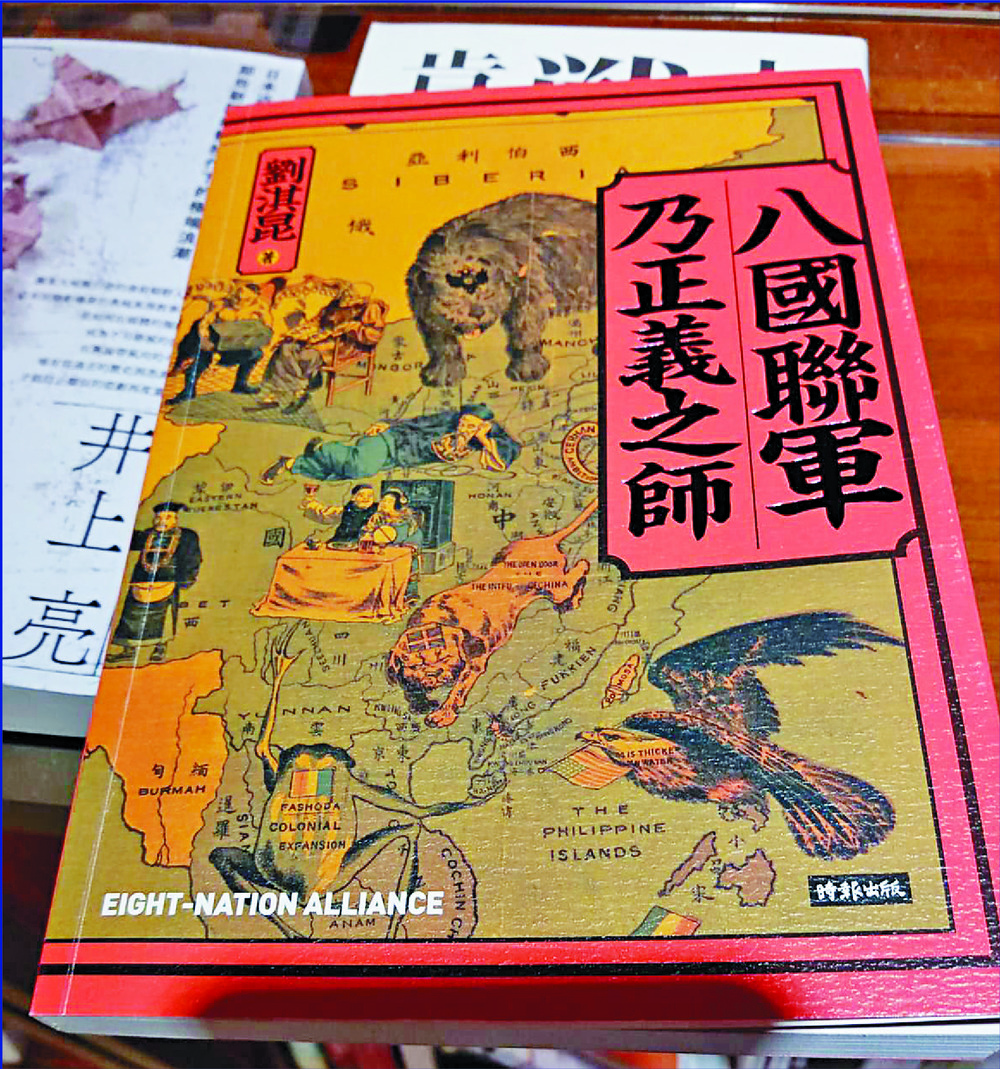
A Taiwanese bookstore in Hong Kong has removed a Chinese book about a foreign invasion of China, following complaints from a pro-Beijing legislator that it distorts history.
The book, whose title translates to "Eight-nation alliance is a righteous army," talks about the invasion by an alliance formed by the British Empire, United States, Germany, France, Austria-Hungary, Russia, Italy and Japan from 1900 to 1901.
In 1900, some 20,000 alliance troops invaded Beijing, aiming to suppress the "Boxer" rebel group who killed foreigners and claimed to have magical powers against bullets.
The invasion resulted in the "Boxer Protocol" which the eight nations signed with the Qing dynasty. It led to the execution of 10 officials linked to the Boxer Rebellion and huge war reparations for China.
The book - published in Taiwan in July - was sold in all Eslite Bookstore branches and online. It was written by Beijing-born author Liu Qikun, who lived in Hong Kong and moved to Canada in the 1980s.
The book has been removed from the shelves of all Eslite branches in Hong Kong, but the reasons behind it have not been disclosed.
Zhao Zhengmin, chairman of Taiwanese publisher China Times Publishing Co, said it will respect the regulations and customs of different markets.
"Taiwan has freedom of publication. We always respect writers' speeches and creations and believe that readers will have their own choices," he said, adding that he personally had not read the book carefully nor been in contact with the author.
Lawmaker Elizabeth Quat Pui-fan of the Democratic Alliance for the Betterment and Progress of Hong Kong said she had received many complaints.
"People criticized the book for distorting history and smearing China," she said, adding that some of the complainants also reported to the bookstore and the National Security Department.
As for whether the book might have breached the national security law, Quat said this depends on the purpose of the publication, whether it attempted to incite hatred against China and if foreign funding was involved.
Quat encouraged authorities to remind publishers and retailers to follow the law and said that the government should review the governing of book publishing and selling.
"Freedom is not absolute, [people having] freedom also need to obey the law," she said, insisting that freedom of speech and creativity would not be affected.
Jimmy Pang Chi-ming, president of Subculture publishing house, said it was "ignorant" to legislate the regulation of books as there should be no boundaries set for knowledge.
"We should mock those who are ignorant," he said.
He said publications with correct knowledge and history, regardless of where and who published them, should be preserved.