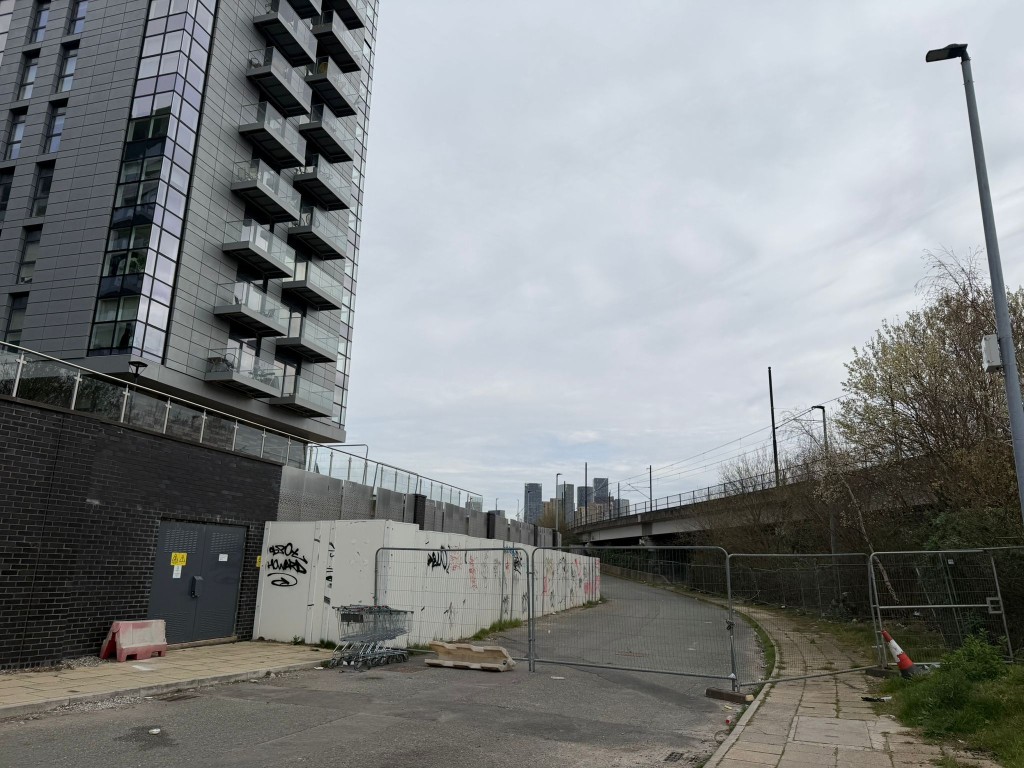
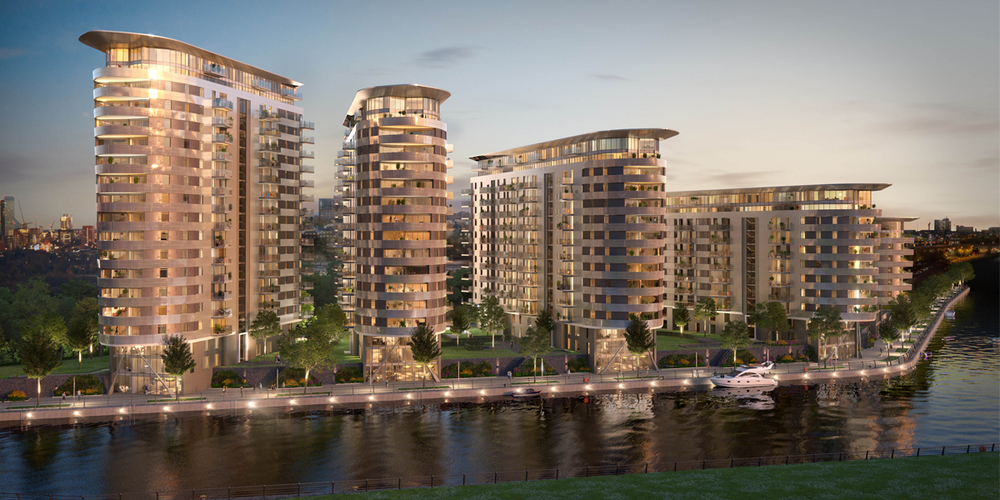
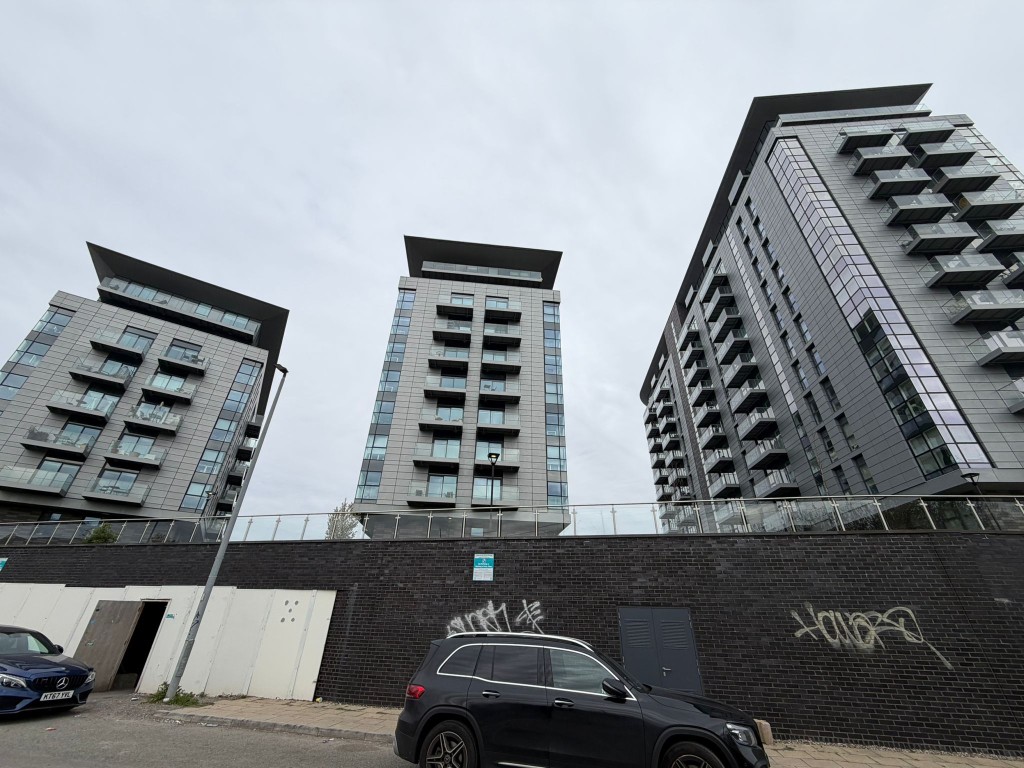
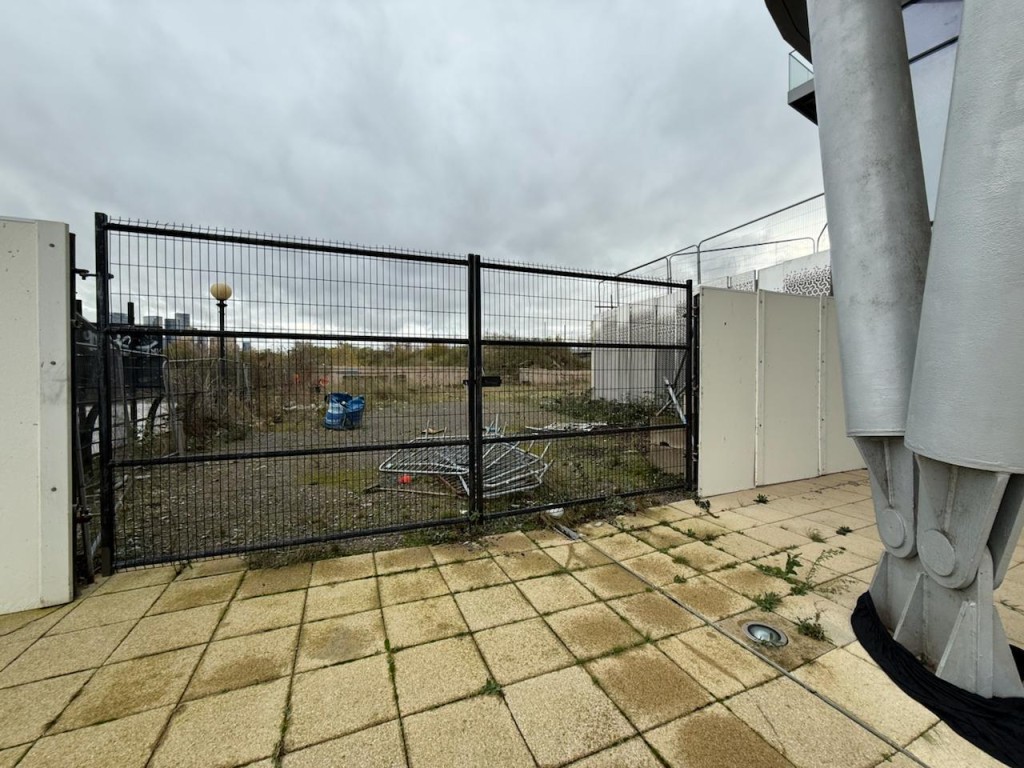
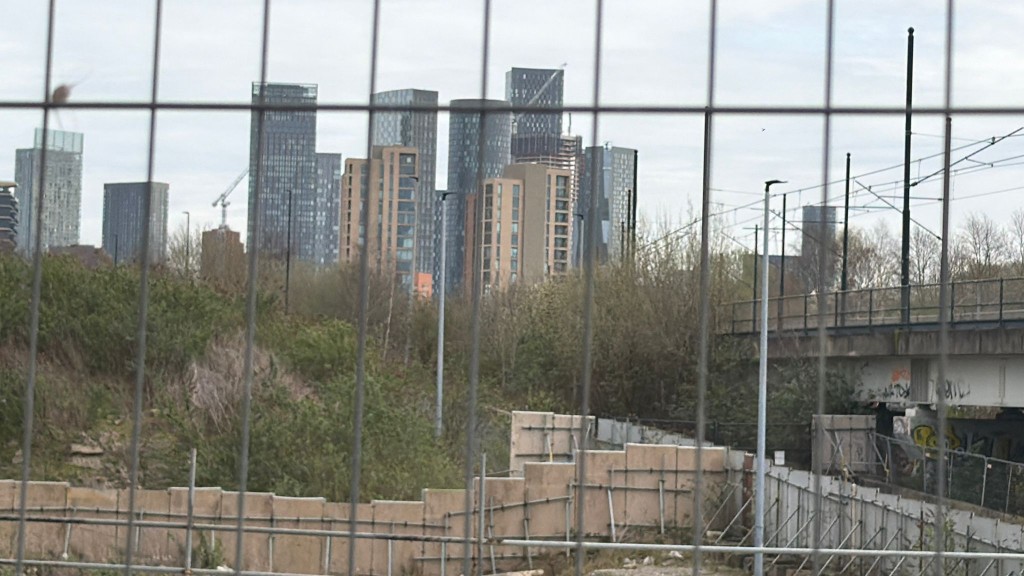
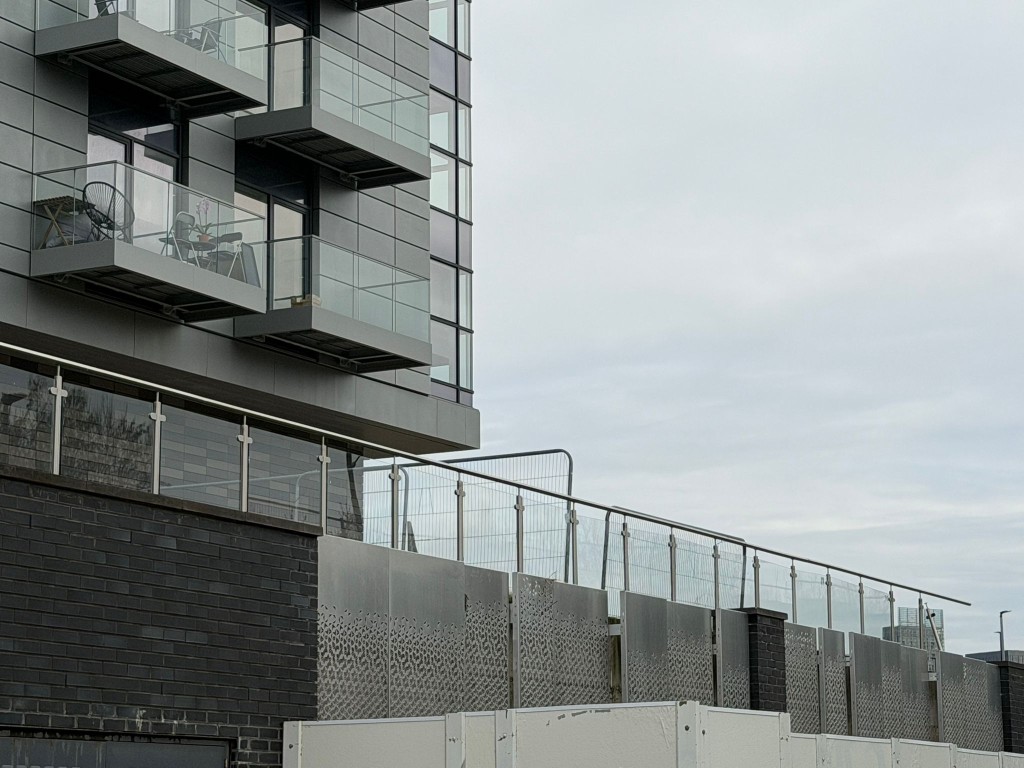
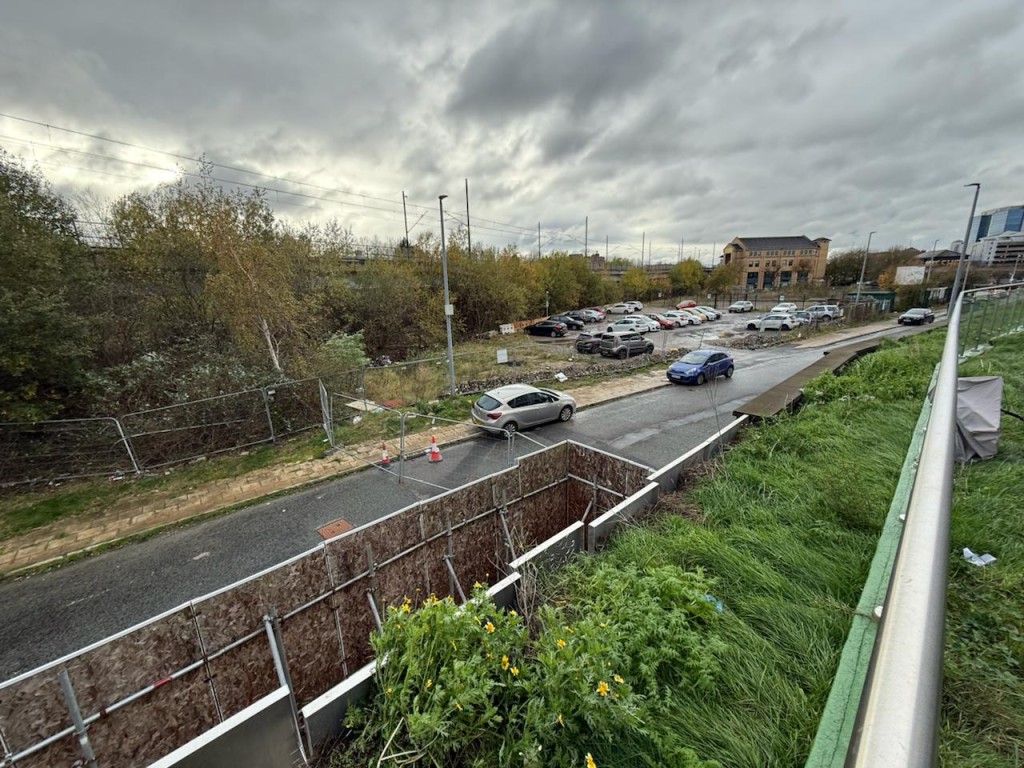
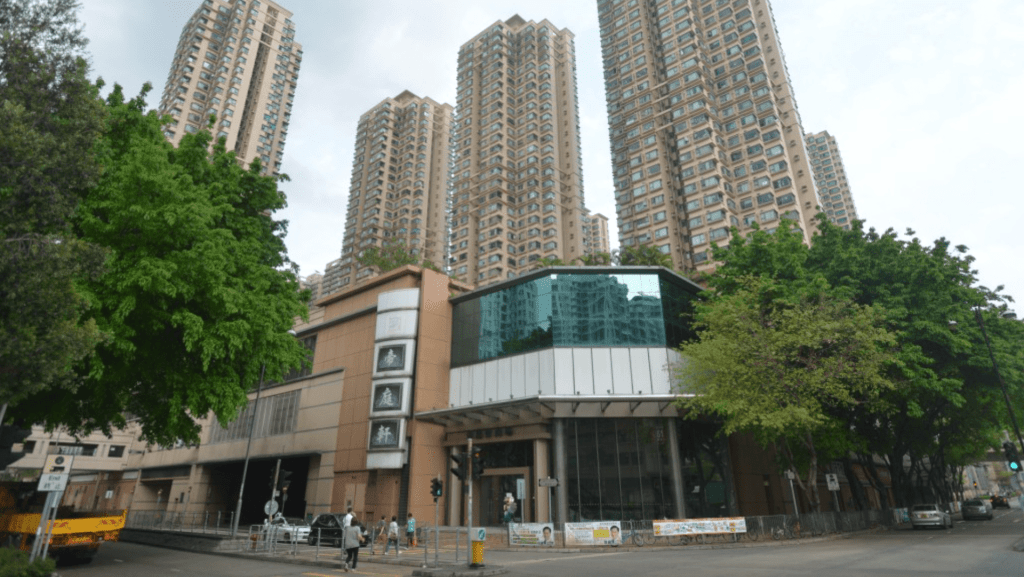
Blocks D and E of X1 Manchester Water, which have not had their foundations laid—have been enclosed by iron railings.
More than 100 Hong Kong investors are facing potential losses of up to HK$100 million after a UK developer failed to complete two residential blocks at its Manchester Waters project, with lawyers warning that buyers should negotiate compensation quickly before the developer’s project company is liquidated.
ADVERTISEMENT
SCROLL TO CONTINUE WITH CONTENT
The affected blocks D and E at Manchester Waters were due for handover by the end of last year but remain unbuilt, with the developer, X1, citing changes to fire and building regulations. Industry insiders point to the UK’s stringent Building Safety Act, introduced in 2022 after the Grenfell Tower fire, which has forced costly redesigns and complex approvals for high-rise buildings across the country.
More than 300 global investors paid between 20 and 35 percent in down payments for the off-plan units.
Samuel Chan Sze-ming, founder of UK Education Centre and a veteran UK property investor, is one of the affected buyers. He bought a one-bedroom unit in Block E for 160,000 pounds (HK$1.6 million) in 2020, paying a HK$600,000 deposit. By the end of last year, the site was still empty land.
“The foundation was not even laid. I’m very angry,” Chan said, accusing X1 of making excuses. He expects legal fees up to HK$300,000 and a claims process that could drag on for years.
+2
Amous Lee, chief executive and partner of FMI Investment, who is familiar with the UK property market, said buyers should immediately consult lawyers to confirm if their deposits are protected by contracts and demand refunds. He noted overseas off-plan buyers should pick reputable developers with regular progress updates.
Several large property agencies in Hong Kong promoted the project back then. List Sotheby’s International Realty confirmed that 22 of its Hong Kong buyers are affected, involving more than HK$26 million in deposits.
The agency has hired a UK legal team to help recover payments, with some buyers already receiving full refunds. Sakura Global is assisting with legal claims and said six of its buyers have about HK$6 million tied up in the project.
Felix Cheung, head of JLL’s Hong Kong International Residential Department, said X1’s redesign to comply with the new rules alone cost an extra 18 million pounds, and the act’s “Golden Thread” documentation system has made approvals extremely slow. “Many off-plan units launched in 2020 encountered regulatory changes midway through, leaving a no-win situation,” said Cheung, who warned of a ripple effect across high-rise projects in second and third-tier UK cities.
Sunny Li, a lawyer at UK firm Jay Binglam, said X1 holds the project via a special purpose vehicle. If the SPV is liquidated, buyers’ claims will be significantly reduced. He advised ditching lengthy class actions for private talks to recover principal, interest, and property appreciation losses.
X1 Developments, founded around 2011, has delivered 36 buildings with 5,659 units to date. Of the Manchester Waters project, Blocks A, B, and C, totaling 406 units, have been handed over. The two unfinished blocks, D and E, affect 336 buyers in total.
Between 2019 and 2021, around the launch of the BNO policy, X1 held roadshows in Hong Kong through major agencies including CBRE, List Sotheby’s, and Raeon International, attracting a large number of Hong Kong owners..
Hong Kong buyers dominate British property market amid BNO migration wave
Since the surge of Hong Kong residents moving to the UK under the BNO visa program in 2020, their purchasing power has reshaped the country’s real estate landscape.
A study by property agency Benham and Reeves shows Hong Kong buyers have consistently topped the list of overseas owners in England and Wales, accounting for 13.7 percent of the foreign market. In other words, Hongkongers hold one-seventh of the properties owned by overseas buyers.
The report found that in 2024, overseas buyers held 189,793 properties in England and Wales, a 2.6 percent increase from the previous year. Hong Kong residents owned 25,972 of them, marking a 5.7 percent annual rise.
Singapore followed with 15,635 properties, or 8.2 percent of the market, while US buyers ranked third with 12,405 properties, or 6.5 percent.
The United Arab Emirates and mainland China rounded out the top five at 5.8 percent and 5.2 percent, respectively.
Before the BNO visa policy, wealthy investors from the UAE, the Middle East and Russia dominated the UK property market. But Hong Kong buyers have since become the leading force. Between January 2020 and August 2021, overseas owners held properties worth 78.8 billion pounds (HK$780 billion) in England and Wales, with Hong Kong investors alone accounting for about 10.8 billion pounds, or one-seventh of the total.
The influx of Hong Kong residents has fueled demand for housing across major UK cities, spurring new developments tailored to their preferences for estate-style management and comprehensive amenities. In North West London’s Colindale, large-scale residential projects have proliferated.
Manchester, another popular destination with more affordable prices than London, is undergoing one of Europe’s largest urban renewal projects, Victoria North, which includes multiple new housing schemes. Birmingham, the UK’s second-largest city, has benefited from its Big City Plan, with projects such as Snow Hill Wharf in the central business district and redevelopments in the Southside area near the Chinese community.
UK’s post-Grenfell fire safety reforms raise developers’ challenges
The large-scale X1 Manchester Waters residential project has failed to deliver units on time, triggering widespread panic among its overseas investors.
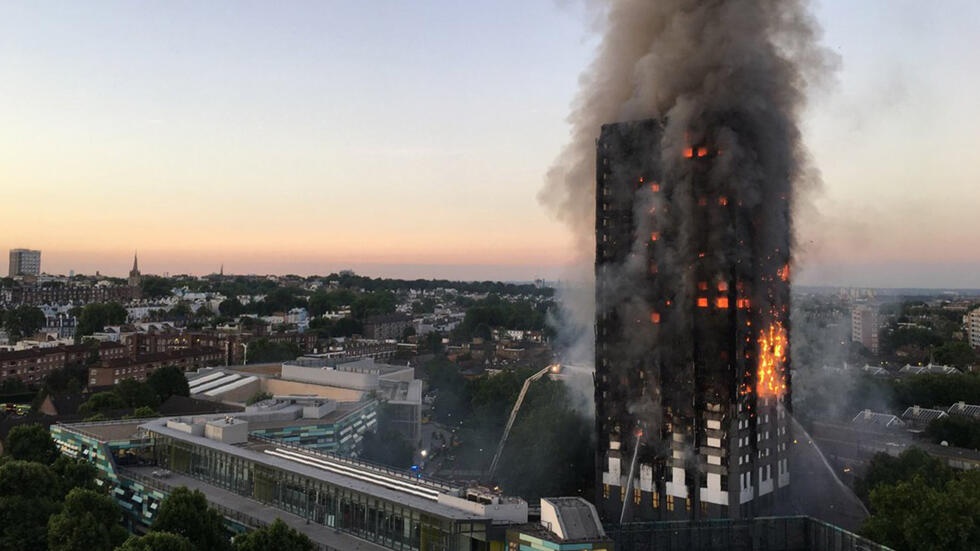
Experts pointed to the 2017 Grenfell Tower fire in London, which claimed 72 lives, as the catalyst for sweeping fire safety reforms now rippling through the market.
The Grenfell Tower fire in 2017, which claimed 72 lives, led to sweeping fire safety reforms and the rise of developers’ costs.
British architects explained that the Grenfell tragedy was primarily caused by the use of aluminum composite material – or ACM – cladding on the building’s exterior.
While ACM panels are commonly used in Hong Kong, the colder UK climate requires an additional layer of insulation. Developers often opted for polyisocyanurate – or PIR – insulation, marketed as a cost-effective solution that is thin, waterproof, and inexpensive.
However, its critical flaw is that it is not fire-resistant. Combined with the cavity left between the ACM cladding and the structural wall, this design created a deadly vulnerability. In the event of a fire, flames could spread rapidly through the gaps and ignite the non-fireproof insulation, engulfing the entire building.
The Grenfell fire led to the Building Safety Act 2022, said Felix Chueng, head of International Residential, Hong Kong at JLL.
Under the law, high-rise residential buildings over 18 meters must obtain an EWS1 form certifying fire safety, including external wall checks, before banks approve mortgages.
The new law has left many projects launched before 2022 in second- and third-tier cities facing severe delays or even collapse. The X1 Manchester Waters project is an example, Cheung said, where redesign costs surged by 18 million pounds (HK$187.1 million) and re-approval processes often took more than a year, with 336 buyers affected.
In the past, some UK property projects failed to deliver to buyers. One of the most notorious examples was Pinnacle, a student housing developer that set up an office in Tsim Sha Tsui and marketed guaranteed returns of 9 to 10 percent. Out of more than 20 projects promoted, only eight were completed before the company collapsed.
Other schemes included so-called “micro office” projects, where investors paid around HK$200,000 for small units in remote areas, lured by promises of 10 percent annual returns over a decade.
In reality, payouts lasted only a year or two before returns were cut, and ultimately the companies folded.