Read More





Night Recap - June 8, 2026
34 mins ago







Observatory warns of squally thunderstorms and heavy rain through Tue
07-06-2026 14:48 HKT


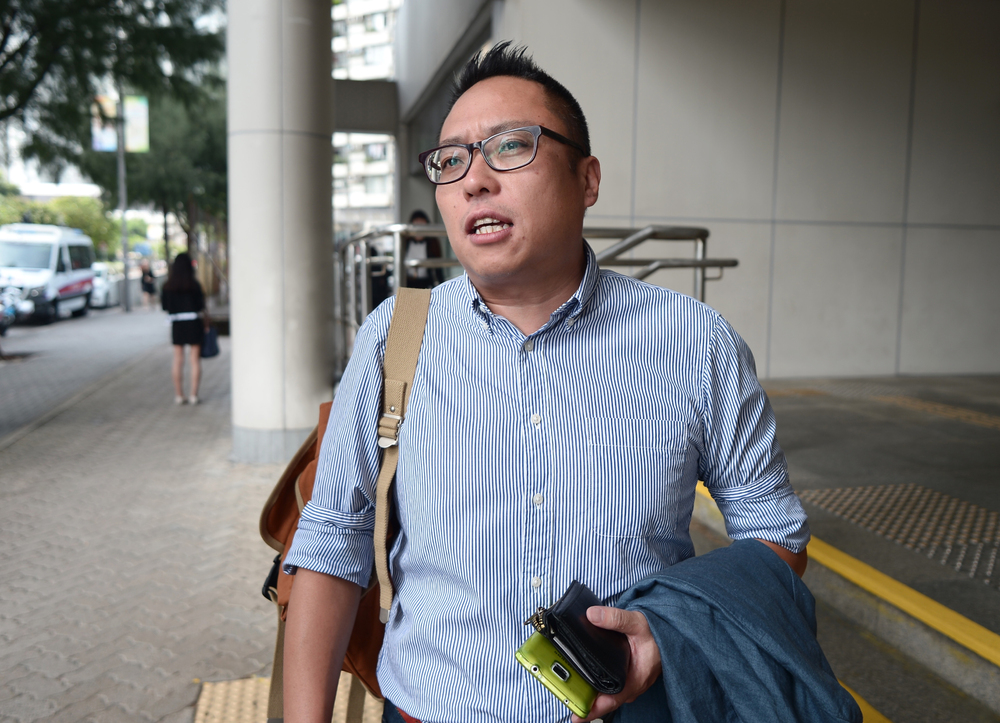
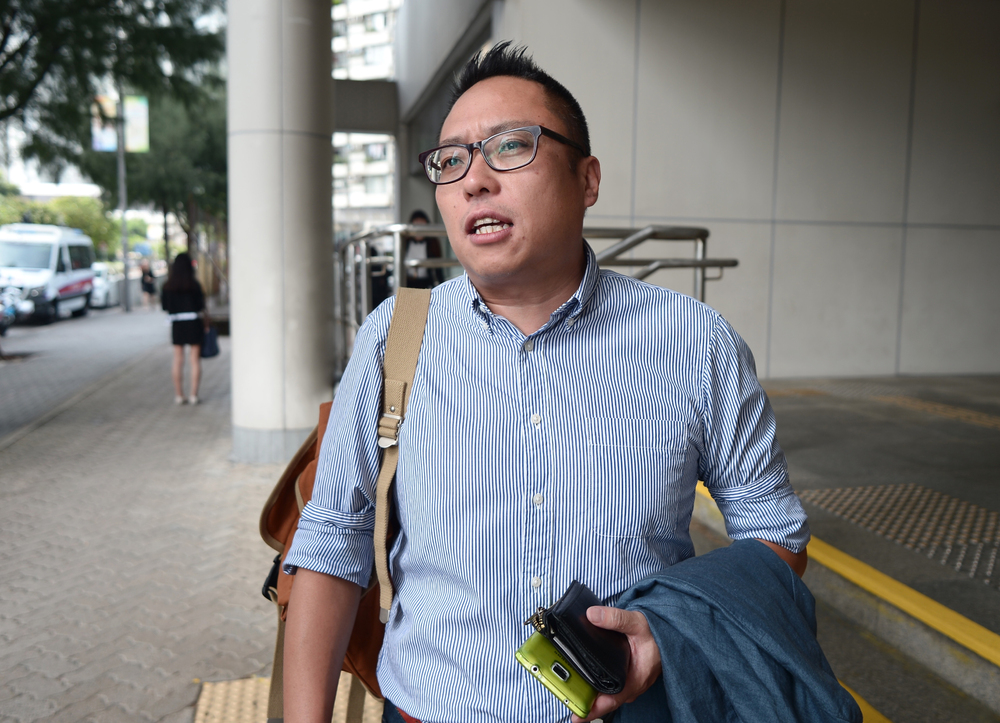
Hong Kong's top court dismissed an ultimate appeal by pro-democracy activist "Fast Beat" Tam Tak-chi over his conviction and jail sentence for sedition, as judges said prosecutors are not required to prove to the court the defendants' intention to incite violence with their seditious words.
The landmark appeal is also expected to affect the cases of other defendants facing sedition charges, including League of Social Democrats activist Chow Kim-ho.
Chow's case has been adjourned, as he awaits the result of Tam's appeal before deciding on his plea.
Tam's appeal for his conviction and 40-month jail sentence for 11 offences including uttering seditious words was heard by a five-judge panel on Thursday, including Chief Justice Andrew Cheung Kui-nung, permanent judges Roberto Ribeiro, Johnson Lam Man-hon, Joseph Fok, as well as non-permanent judge Patrick Chan Siu-oi.
Tam, 52, former leader of the now-disbanded People Power party, was charged in 2020 for uttering seditious words intended to incite "hatred or contempt" against the Hong Kong government, an offence under a colonial-era sedition law.
The appellant argued that Tam’s sedition charges, now-repealed due to the Basic Law Article 23 enactment, should be tried before a Court of First Instance judge and jury as they are categorized as the more serious indictable offences.
In a 28-page judgement, judges of the city's apex court dismissed the argument as a “literal construction” of the relevant provisions, highlighting the minor nature of the charge, even though the national security law made sedition indictable.
“It would be contrary in spirit to the exhortation of [Article 42 of the National Security Law] for judicial authorities to ensure that cases concerning offences endangering national security are handled in a fair, timely and effective manner,” the judges wrote.
They concluded that it is valid for the sedition case to be transferred to and tried before the District Court, both before and after the implementation of the national security law.
In the appeal, Tam also raised questions whether the prosecution has to prove the defendant’s intention to incite violence in his case, which were also dismissed by the justices.
The judgement pointed out there was nothing in the Crimes Ordinance to support the view that the inciting intention was a necessary element of the offence of sedition. Therefore, there is no reason to import or imply such an intention into the ordinance.
The government has expressed that it welcomes the Court of Final Appeal's (CFA) decision in the case against Tam, who was charged with uttering seditious words.
The government spokesman highlighted that, according to the CFA, the definition of the sedition offense under the original Crimes Ordinance does not require proving the intention to incite violence or public disorder.
Furthermore, Section 25 of the Safeguarding National Security Ordinance (SNSO) specifies that for a sedition offense, the prosecution does not need to demonstrate the accused's intention to incite others to commit acts of public disorder or violence.
The government emphasized that any seditious acts occurring after the SNSO came into effect would be addressed under the new provisions set by the SNSO.
(Jamie Liu)
(Updated at 8pm)