Read More













Introducing the theft of state secrets offense under Article 23 of the Basic Law won’t put pressure on civil servants who have always been required to abide by the principle of confidentiality, said Secretary for the Civil Service Ingrid Yeung Ho Poi-yan.
Speaking on a radio interview, Yeung said civil servants can only use confidential information accessed from work within their authorized clearance and it has always been their practice.
“They [civil servants] are used to abiding by the confidentiality principle and are highly aware of this requirement,” Yeung said.
“I don’t think they will feel pressurized or anxious and become more cautious … They have always been very cautious and I don’t see any changes in future.”
Yeung pointed out that civil servants have the constitutional duty to safeguard national security too as stated in the draft of the updated Civil Service Code.
She added that private premise is not to be used as an excuse for civil servants to say whatever they want and the higher their ranking, the more caution they should exercise.
She also said the government will issue the updated Code as soon as possible after amending the term within and will continue to step up training for civil servants on safeguarding national security.
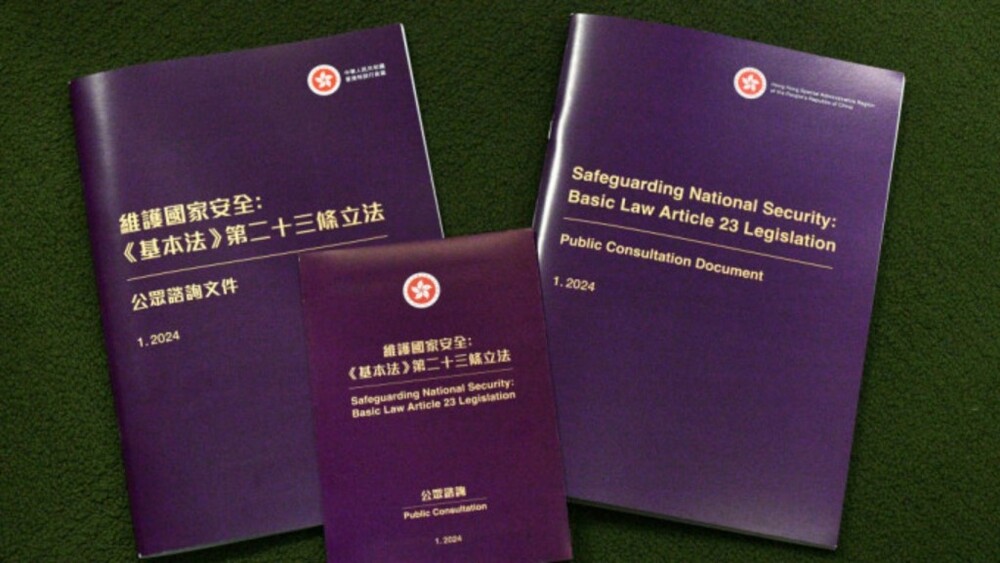
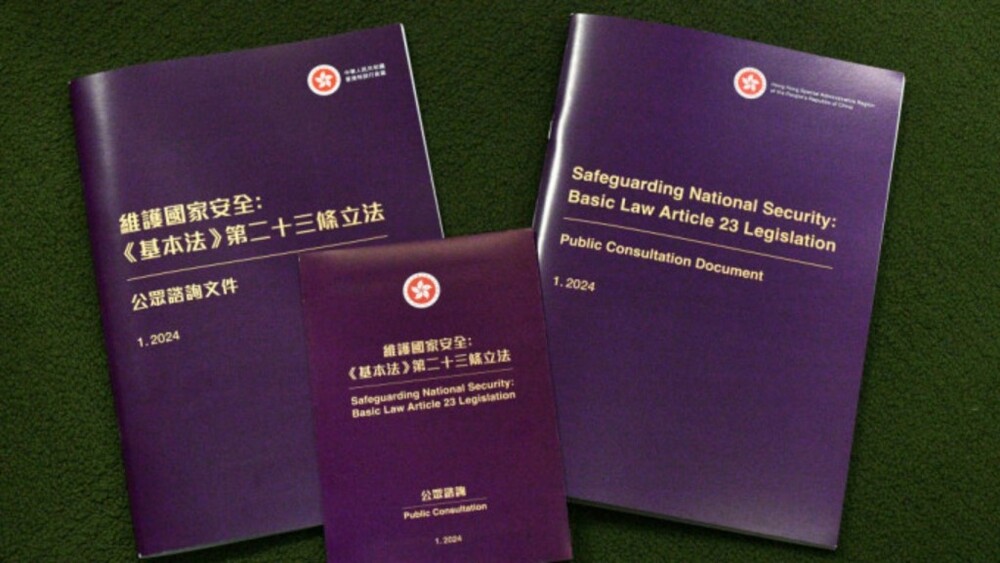
The government earlier released the official consultation document on the legislation of Article 23, suggesting to replace the term “public servant” with “public officer”.
The document also said it should be an aggravating factor that warrants a more severe penalty if public officers or government contractors – who have easier access – disclose state secrets unlawfully.