Read More
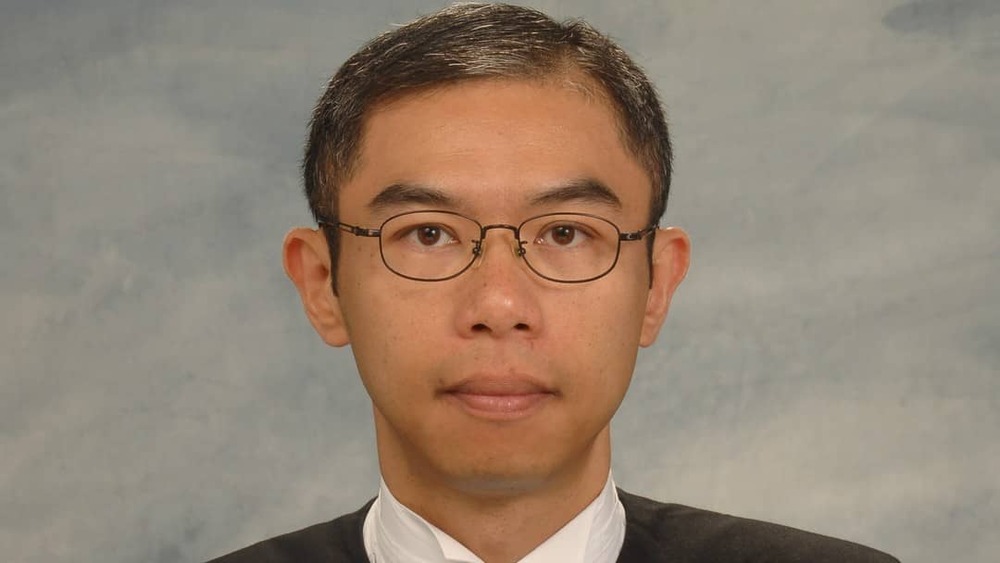
Complaints against the then-magistrate, Cheang Kei-hong, claiming that he convicted a defendant in a social unrest case with such insufficient evidence were ruled unsubstantiated by a panel of judges.
ADVERTISEMENT
SCROLL TO CONTINUE WITH CONTENT
The complaints arose after Cheang convicted a 17-year-old boy of possessing instruments fit for unlawful purpose and possessing items with intent to damage property during his involvement in a Sai Wan Ho protest in November 2019.
The defendant, who was caught possessing cable ties, a spanner, and a lighter, was later sent to a detention center.
The complaints accused Cheang of accepting the evidence from the police but rejecting the evidence from the defense out of bias and prejudice; and that he convicted the defendant with insufficient evidence to reasonably draw an inference that the defendant had the requisite intent to commit the offenses.
It was also said that the sentence imposed by Cheang was unreasonable and he declined to call for a Probation and Young Offenders Assessment Panel Report beforehand.
In the investigation report released by the judiciary on Wednesday, the complaints were ruled unsubstantiated by a panel of judges comprising of Court of Appeal vice president Carlye Chu Fun-ling, justice of appeal Thomas Au Hing-cheung, and judge Alex Lee Wan-tang.
The panel said Cheang had “analyzed the evidence of the police officers and the defense, and articulated the basis of his findings on creditability” in his oral reasons for the verdict.
The defendant also didn’t complain that Cheang’s findings were erroneous or biased when appealing the conviction and the Court of First Instance did not make any adverse comment on Cheang’s findings.
The panel said Cheang’s verdict and sentence imposed by him are a judicial decision. “Whether the verdict and the sentence is correct falls outside the scope of complaints against judicial conduct of judicial officers.”
The panel also noted that the defendant did not lodge an appeal against the sentence on the grounds that it was wrong in principle or manifestly excessive.
The panel continued that some people may disagree with the conviction or sentencing because of their stance or political views.
“This should not be taken to mean that the judicial decision or the judicial officer is biased. The outcome of a case is not necessarily relevant to, or the sole consideration in, the determination of whether a complaint against judicial conduct is substantiated.”
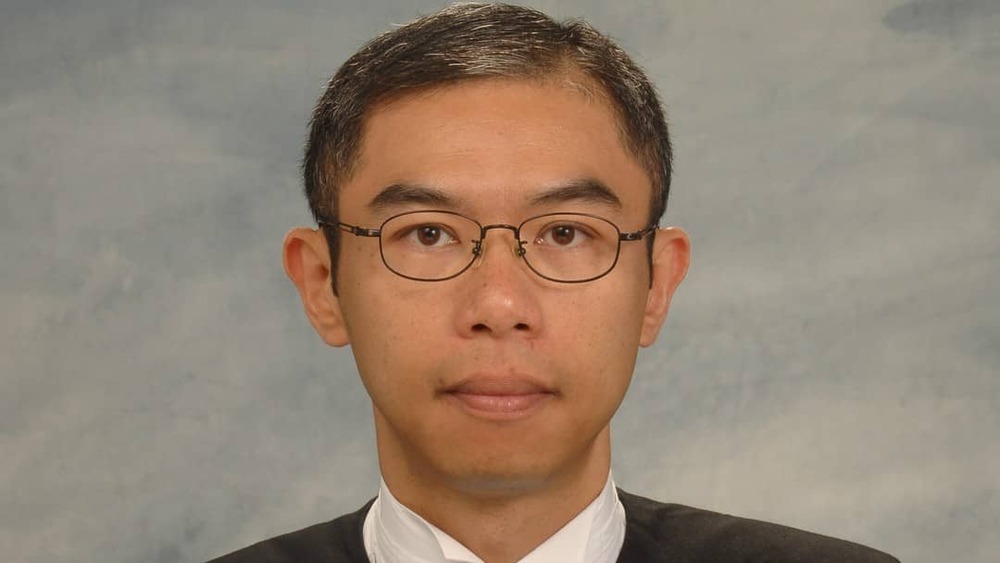
Photo by the judiciary.