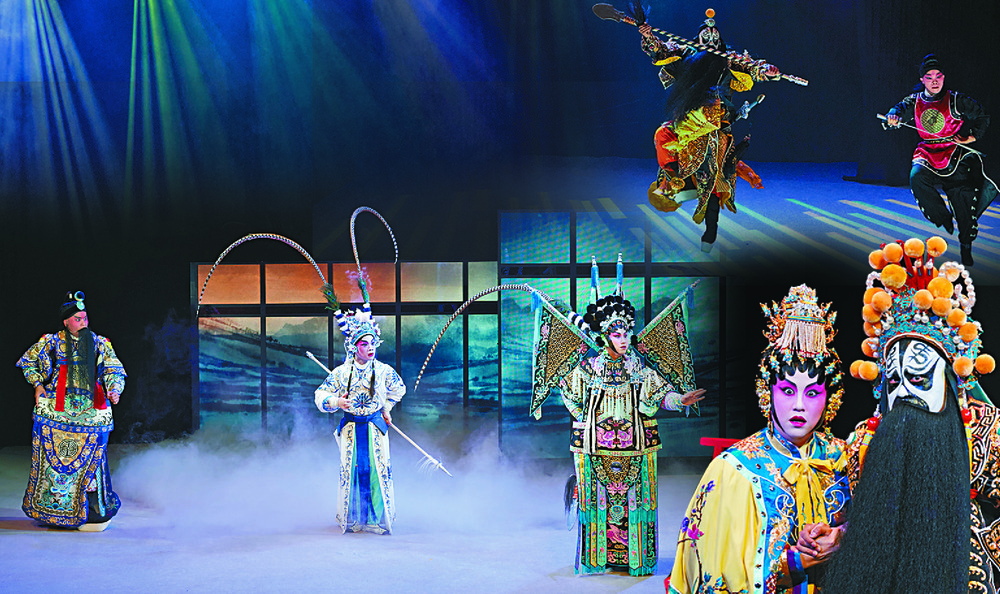
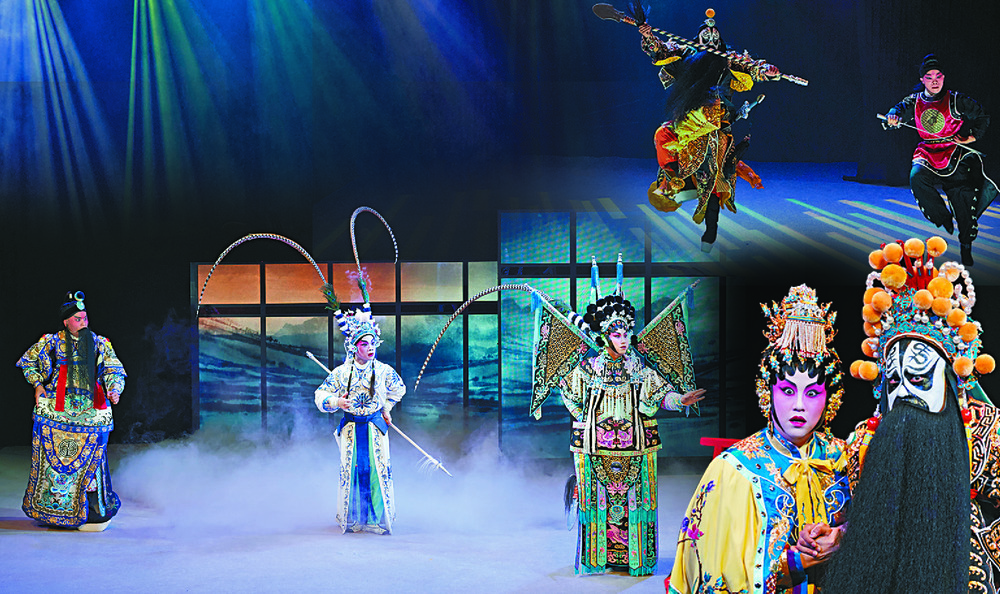
Catch some culture at Black Box Chinese Opera Festival 2022. Back for its fifth year, the festival at the West Kowloon Cultural District aims to get more people interested in this intangible cultural heritage.
ADVERTISEMENT
SCROLL TO CONTINUE WITH CONTENT
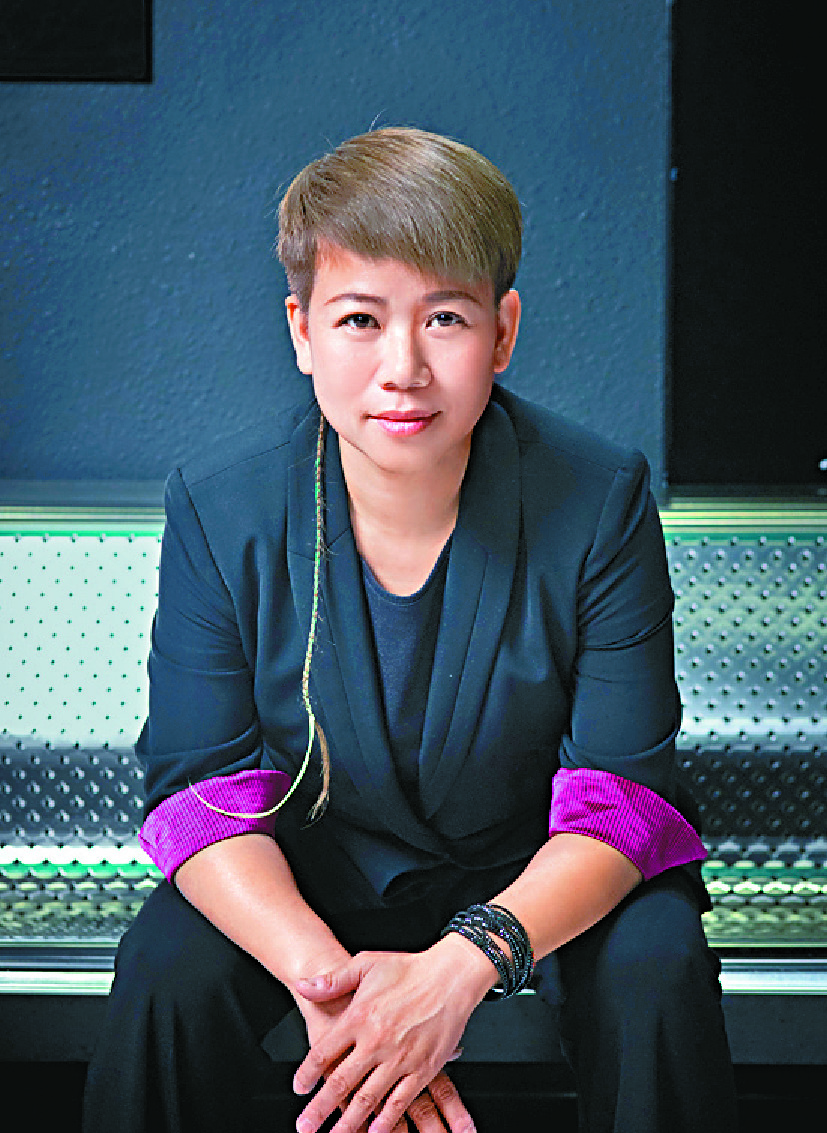
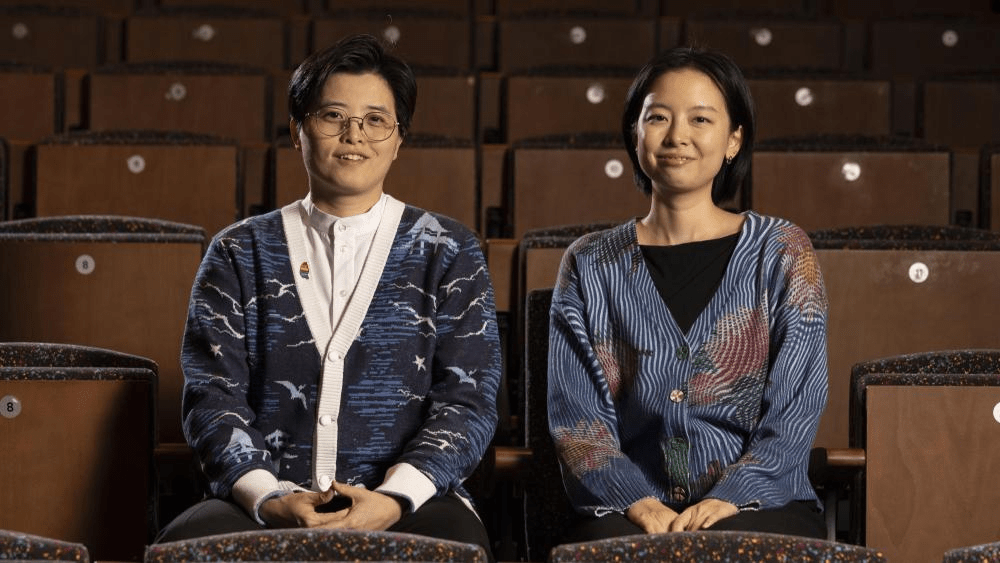
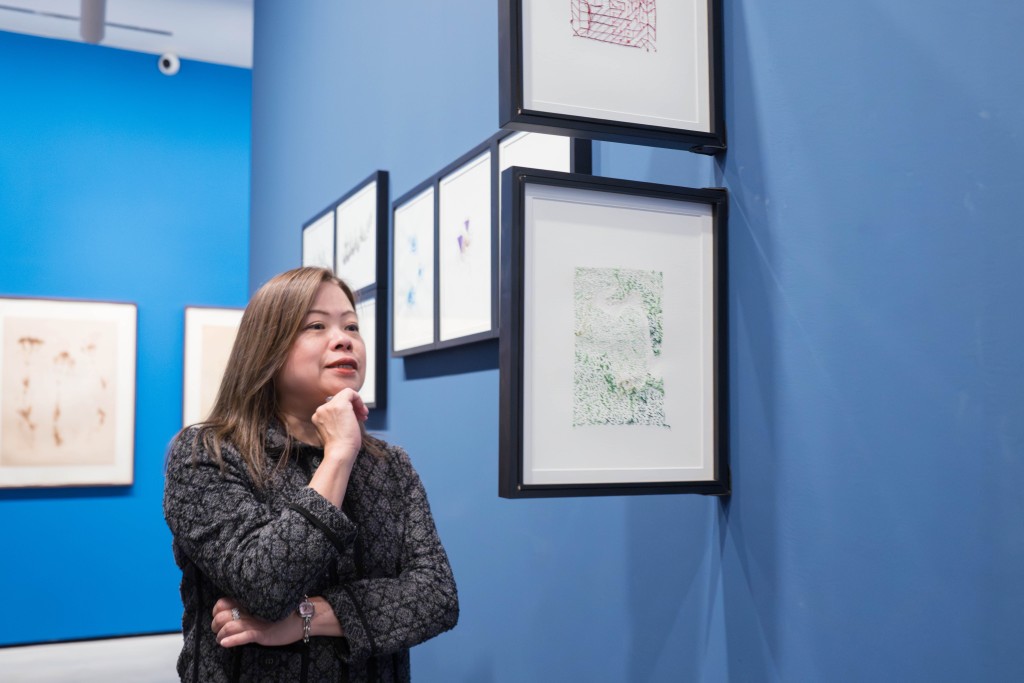
Naomi Chung, head of xiqu, performing arts of the West Kowloon Cultural District Authority, and her team had the idea in 2017 for a collaboration with the Hong Kong Repertory Theatre after being inspired by similar festivals in mainland cities.
"Only two cities in China had done smaller-scale Chinese opera festivals back then," she said.
One of the most important aspects of smaller-scale experimental opera is how it can help explore new thoughts for the genre.
The other Chinese name for Cantonese opera is large-scale drama so it makes sense for normal productions to be big.
Usually, a Cantonese opera employs more than 50 people and runs for at least three hours due to the sophistication of the plots. For a generation brought up on instant gratification and short reels, this can be off-putting.
But a smaller-scale can open up a way in.
Chung said there are five main premises for smaller-scale operas: "It's targeted at younger audiences, the plays must be under a new script of a new adaptation, the production base should be fewer than 30, the performance duration should be short and the plays can be toured in different places."
That's why the operas chosen for the festival - and even the regular ones at the Xiqu Centre - either have new scripts or are adaptations of the classics with a duration of about 90 minutes.
Another feature of smaller-scale operas is that the stage is smaller and closer to the audience.
"The audience can see clearly the emotions and feel the energy of the actors from a much closer distance," Chung said.
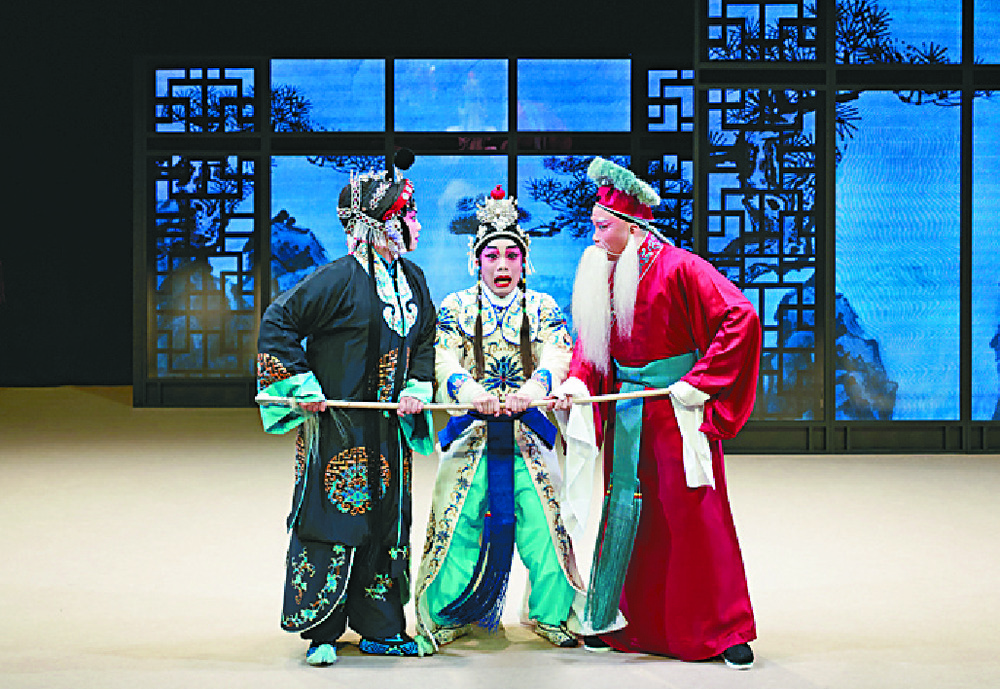
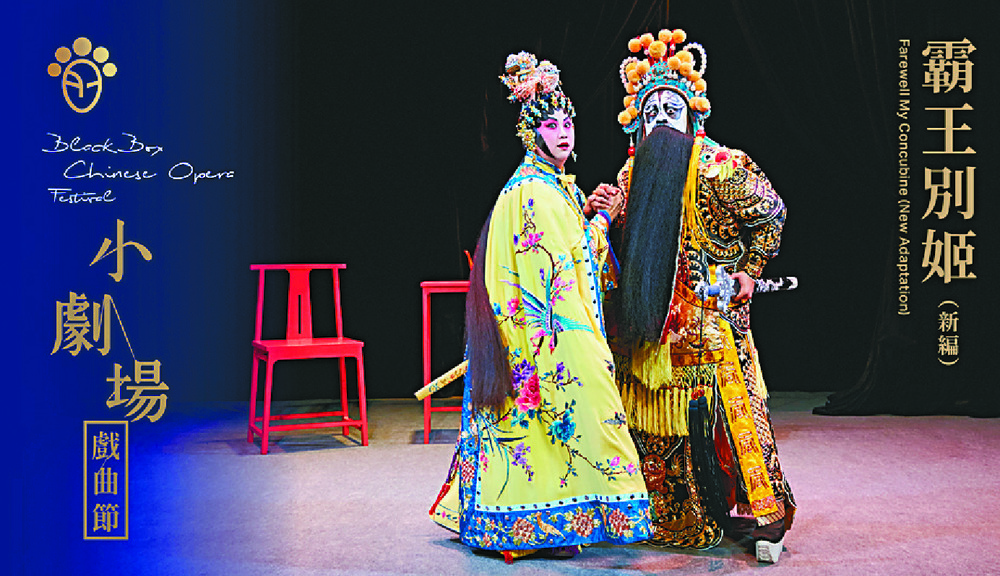
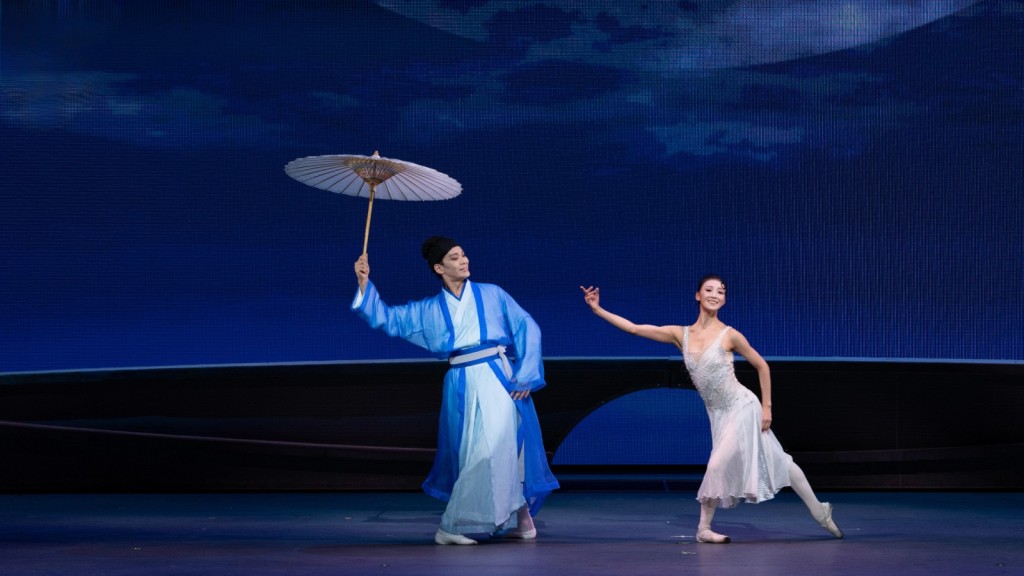
The festival features four experimental plays. Wenguang Explores the Valley, The Imperial Decree and Farewell My Concubine (New Adaptation) have already had their run, but there is still one more to go.
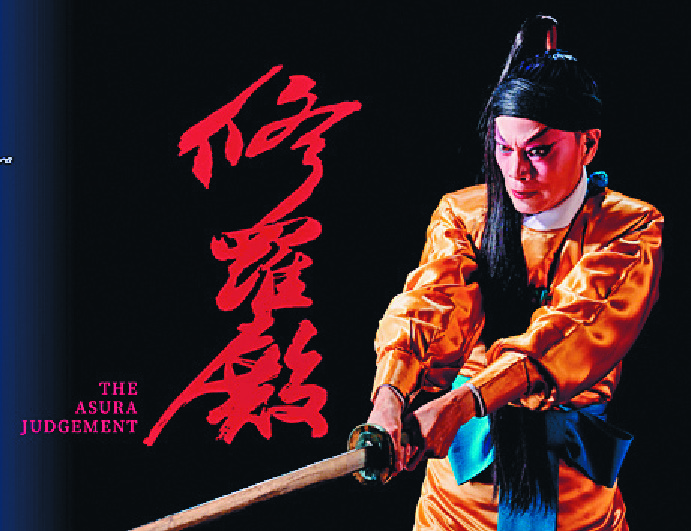
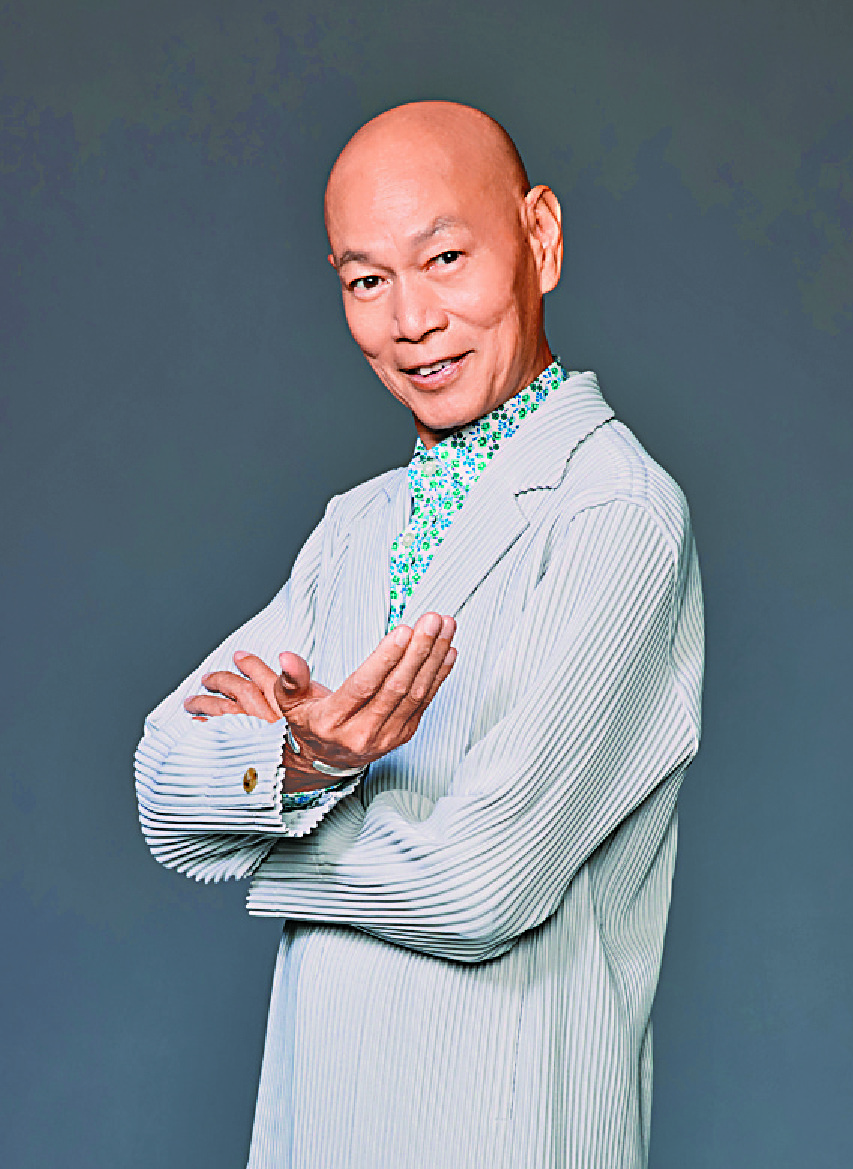
Ten sessions of the solo performance The Asura Judgement will run from November 24 to December 3. Cantonese opera virtuoso Law Ka-ying takes the roles of playwright, actor and artistic director in the play that's adapted from a Japanese classic, Rashomon.
The film by Japanese director Akira Kurosawa is transposed from 10th-century Japan to late Ming Dynasty China, retaining the fundamental elements of Kurosawa's work. It is a tale of murder retold by a thief, a monk, a woodcutter and his wife.
For the first solo performance of his five-decade career, Law adopts different roles, switching back and forth in time and space to recount the truth of the crime from the perspectives of several protagonists.
In a major artistic breakthrough, the work also blends the narrative techniques of contemporary theater and film editing with traditional Cantonese opera stage and lighting practices. The performance will be staged in Tea House Theatre.
Said Chung: "Law Ka-ying leads by example in personally rewriting, directing and performing 10 solo performances, further inspiring us to spark our creativity."
In addition to stage performances, there will also be a Living Heritage Workshop Series, where people can explore traditional crafts such as marigold flower embroidery, imitation kingfisher feather brooch-making and printmaking. Starting tomorrow, the workshops show the district's vision to promote Cantonese opera through rediscovering the essence of the genre's traditional craftsmanship.