Now that everyone is masked up, we realize the importance of seeing the whole face for communication.
ADVERTISEMENT
SCROLL TO CONTINUE WITH CONTENT
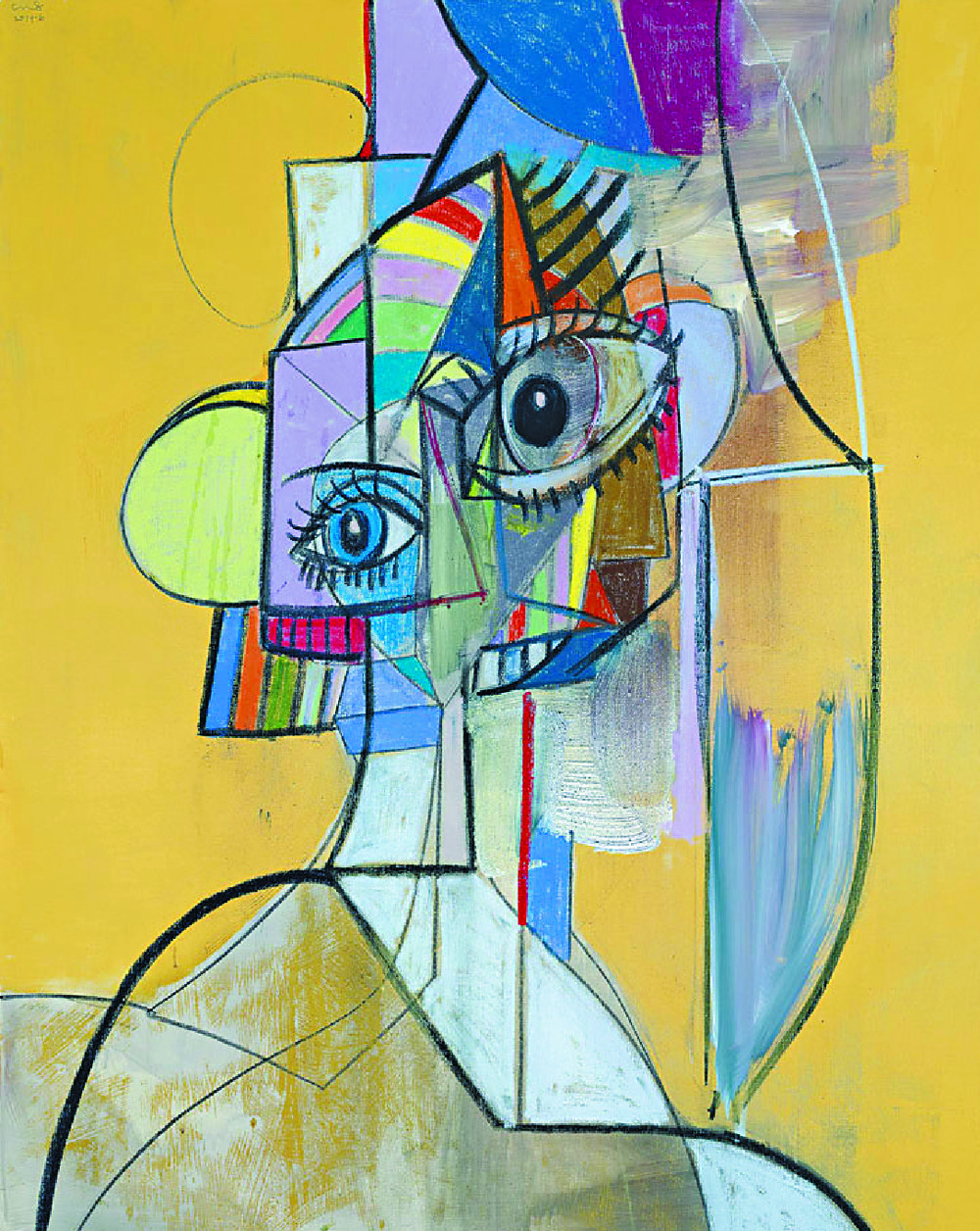
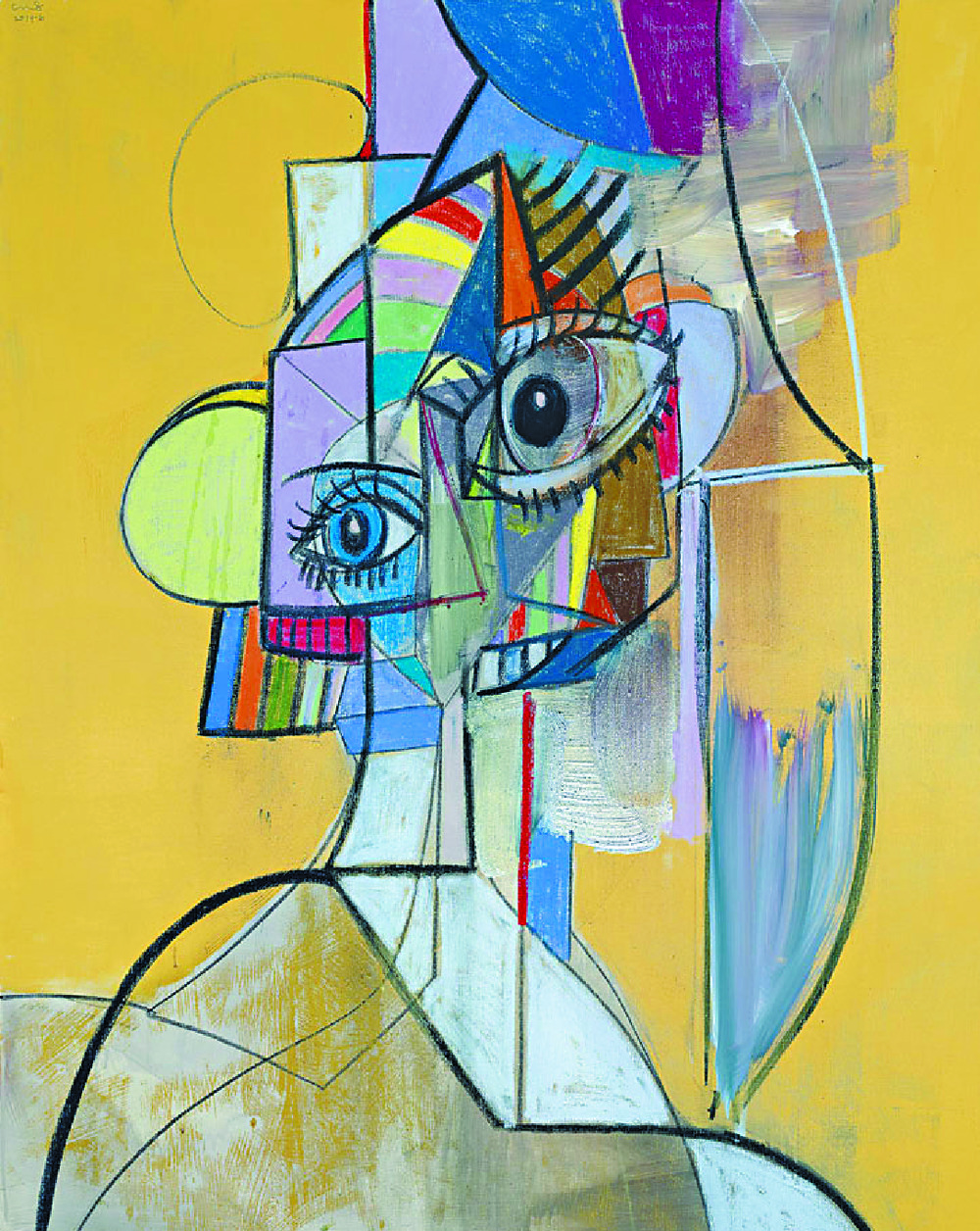
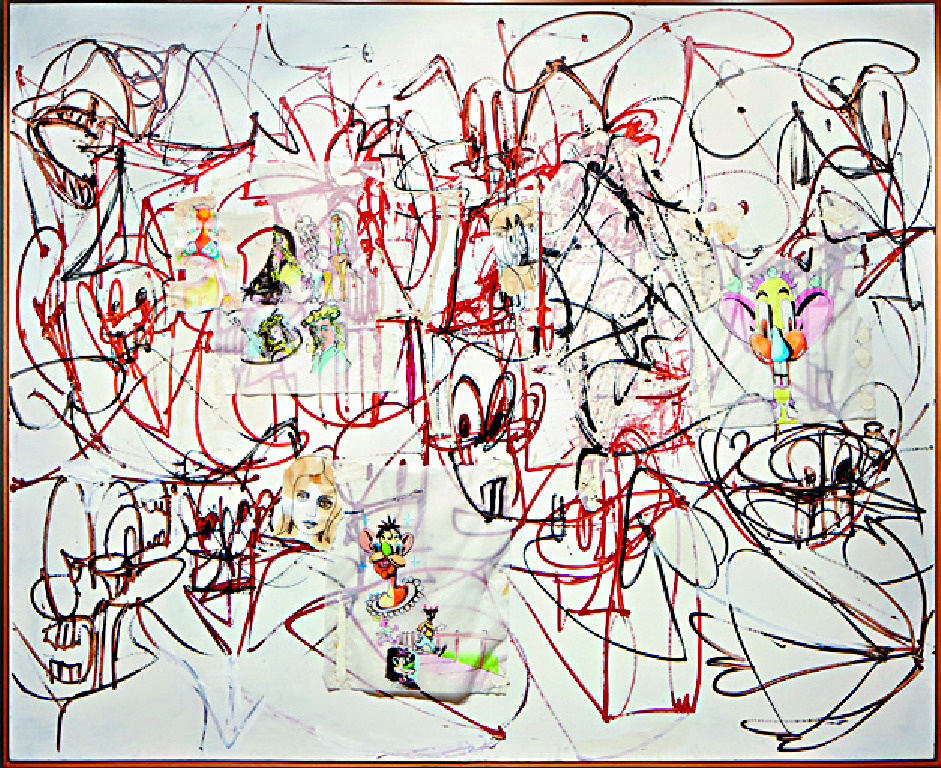
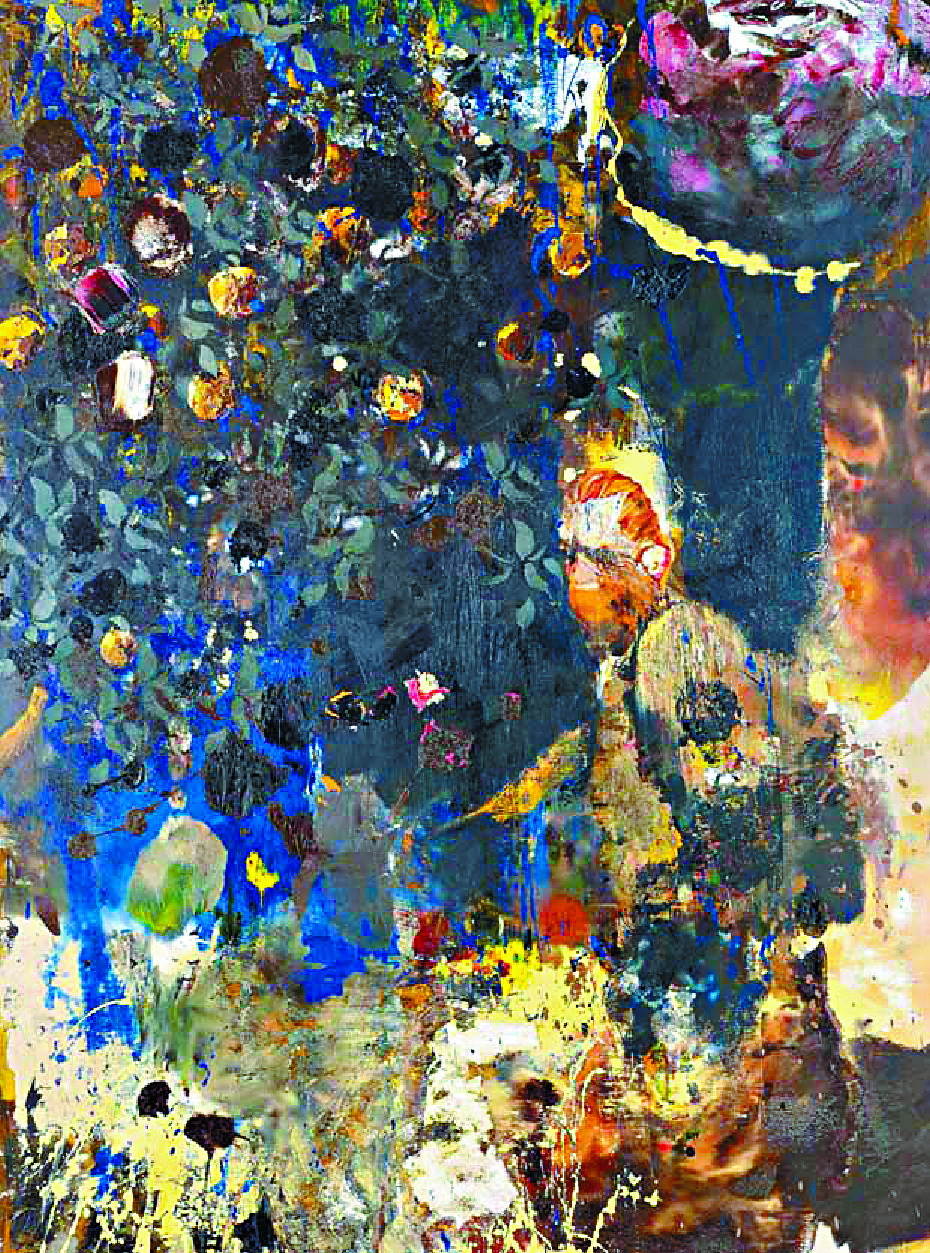
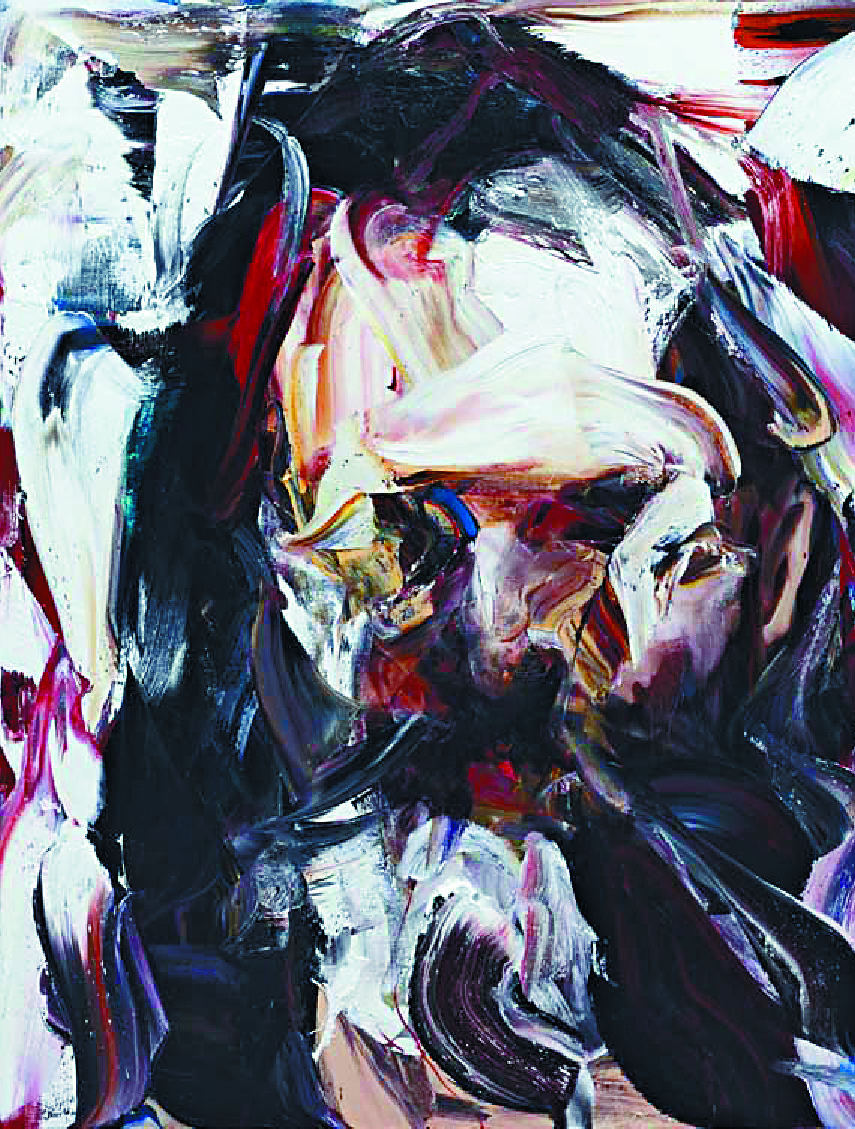
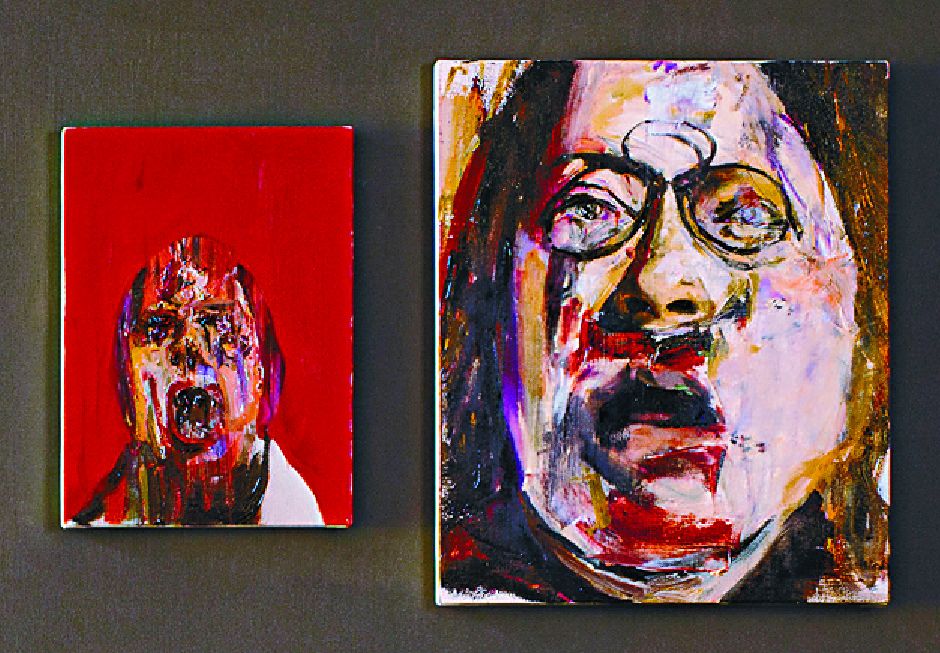
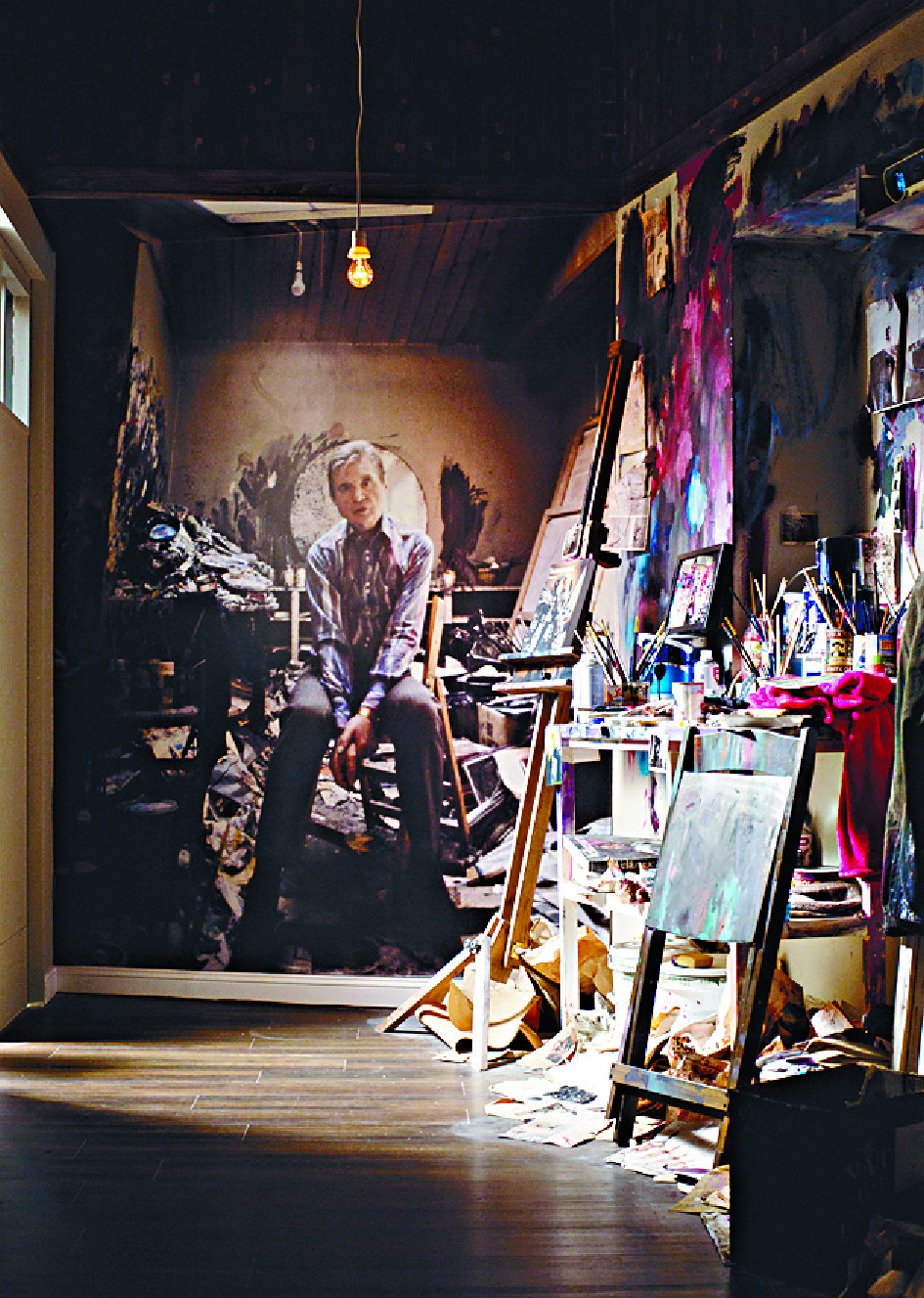
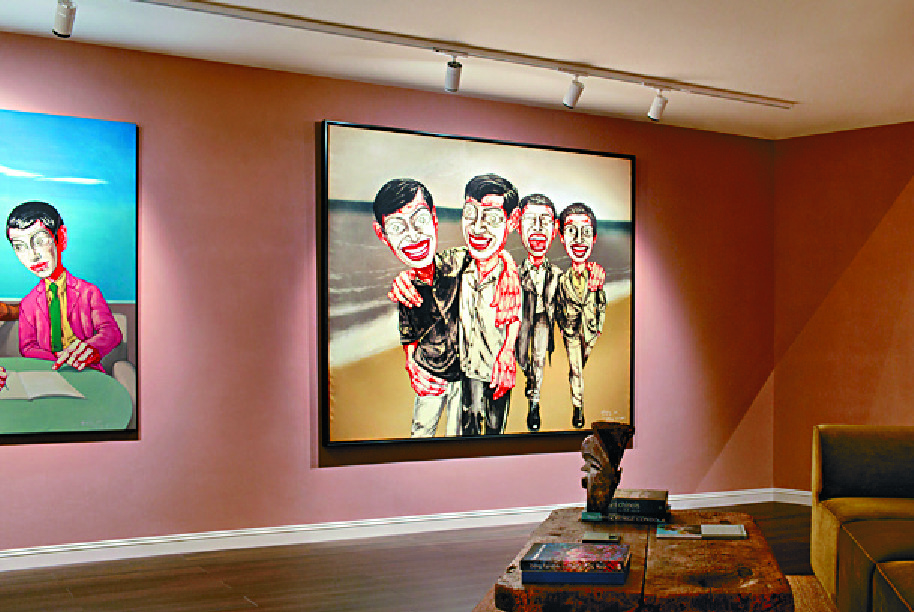
The Loss of Human Face? features works by Francis Bacon in dialogue with contemporary artists Adrian Ghenie, Zheng Fanzhi, George Condo and Yukimasa Ida to highlight how artists have used the human face as a means to reflect the truth behind the visage of humanity.
"In philosophy, the face is natural order, a form of protection against violence. Losing the face can subvert this order and lead to a state of uncertainty where anything, both good or bad, can happen," said Arthur de Villepin, chairman and cofounder of Villepin.
"By rediscovering portraiture, a genre of painting that goes way back in art history, we have brought together five artists from different time periods and geographic backgrounds to provide us with an innovative way of rediscovering the human face, motivating us to look beyond the facade and into our innermost self."
One of the most significant portraiture artists of the early 20th century, Bacon is known for his raw and unsettling canvases that distort the faces of his subjects. By divorcing the face from its cognitive elements, Bacon leaves his audiences confused and forced to look inward rather than outward in a moment of introspection.
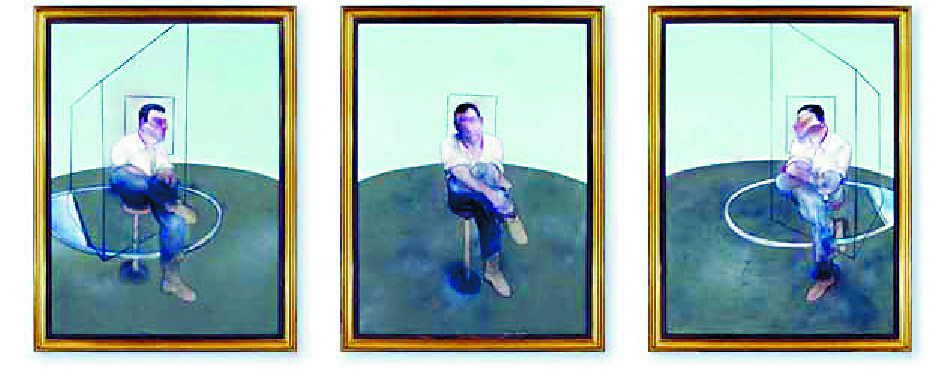
To de Villepin, Bacon's works highlight the varying degrees of emotion, vulnerability and intimacy within his different relationships. A triptych, Three Studies for a Portrait of John Edwards, illustrates the close bond Bacon had with Edwards through his brushstrokes.
"This stunning portrait was created during a relatively peaceful time in his life following abusive relationships with his previous partners. The portraits in the exhibition by Francis Bacon span the 1960s, 70s and 80s, demonstrating the evolution of his personal relationships from violent conflict to calm reconciliation," said de Villepin.
Bacon's works left an impact on contemporary artists, especially within the realm of portraiture. Ghenie, Zeng, Condo and Ida explore the complexity and tension of humanity through their works.
By moving away from naturalistic representations of the face, each artist transforms the loss of human face into new identities. Despite the varying styles and subject matters, there is universality in the depictions of the absurdity and artifice that can be found in reality.
Of the works, there are three that speak most to de Villepin.
Bacon's Man with Arm Raised, showing a man trapped in boxes, creates a sense of claustrophobia and a desire for freedom by way of the framing of the easel. Despite the grotesque features and undefined appendages, the portrait gives de Villepin a sense of serenity.
Another favorite is Ghenie's On The Road to Tarascon 2, which references Vincent Van Gogh's self-portraits. Ghenie contrasts the life emitted by the sun with the death of Van Gogh. "It is a historical painting that puts him in the lineage of Bacon, who also did a rendition of the original, and Van Gogh," said de Villepin, "The ashes left over in the painting become the premise of a new world."
Zeng's Mask Series No 16 is the third. Masks usually hide, but to Zeng, they also reveal. His masked figures reflect the socioeconomic changes in China, as well as his own isolation of having to mask up every day.
Said de Villepin: "When I look at Man with Arm Raised, I am reminded of the restricted world of the pandemic and sense the hope to return to a normal life. On The Road to Tarascon 2 motivates me to learn more about history in order to reinvent life every day.
"Zeng's work makes me feel reassured that what connects us to each other is our emotions, even when we have literal or figurative masks on. If we dare to look beyond, we will always find new meanings and emotions to connect with."
The Loss of Human Face? is on show at Villepin until October 30.