To this day, intrigue surrounds the Forbidden City. Housing a large collection of historic artifacts, and home to the emperors of two dynasties, the palace plays a vast and important role in Chinese cultural history.
ADVERTISEMENT
SCROLL TO CONTINUE WITH CONTENT
Get a peek into the palace with Hong Kong Palace Museum's Part III of the Palace Museum Culture Lecture Series, which brings to life the culture of the palace with free public talks by experts from Hong Kong, Beijing and Taipei.
Scheduled to open in mid-2022, the Hong Kong Palace Museum aspires to be one of the world's leading cultural institutions, serving as a hub for art, educational, cultural and professional exchanges with the world.
The lecture series serves as part of the museum's pre-opening program to introduce guests to the Forbidden City, broadening horizons on Chinese art and culture.
"Since its inception last year, the series has attracted a few thousand attendees in Hong Kong, the mainland and around the globe," said deputy museum director Dr. Daisy Wang. "This is an online streaming event and we look forward to seeing our audience online. It is free and open to the public around the world. We might consider putting the talks online later as a learning resource after we launch our own website."
Each lecture offers a new and dynamic approach to examining cultural objects and its significance in Chinese history.
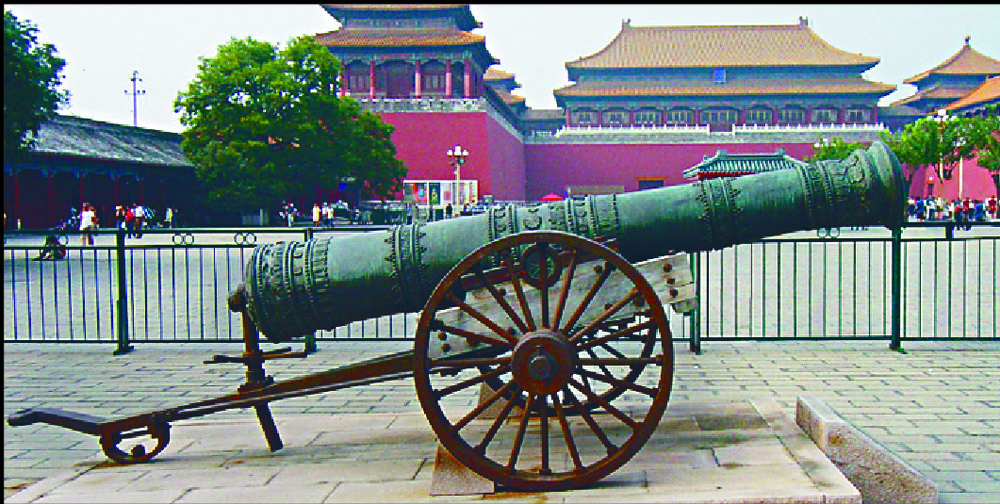
The first lecture on March 12 explored the development of European cannon technology in the reign of the Kangxi Emperor (1662-1722), as well as technological breakthroughs in the military application of artillery.
Covering the period 1644-1911, Chou Weichiang talked about the production of new cannon by the Qing army, with the assistance of Jesuit astronomer and mathematician Ferdinand Herbiest.
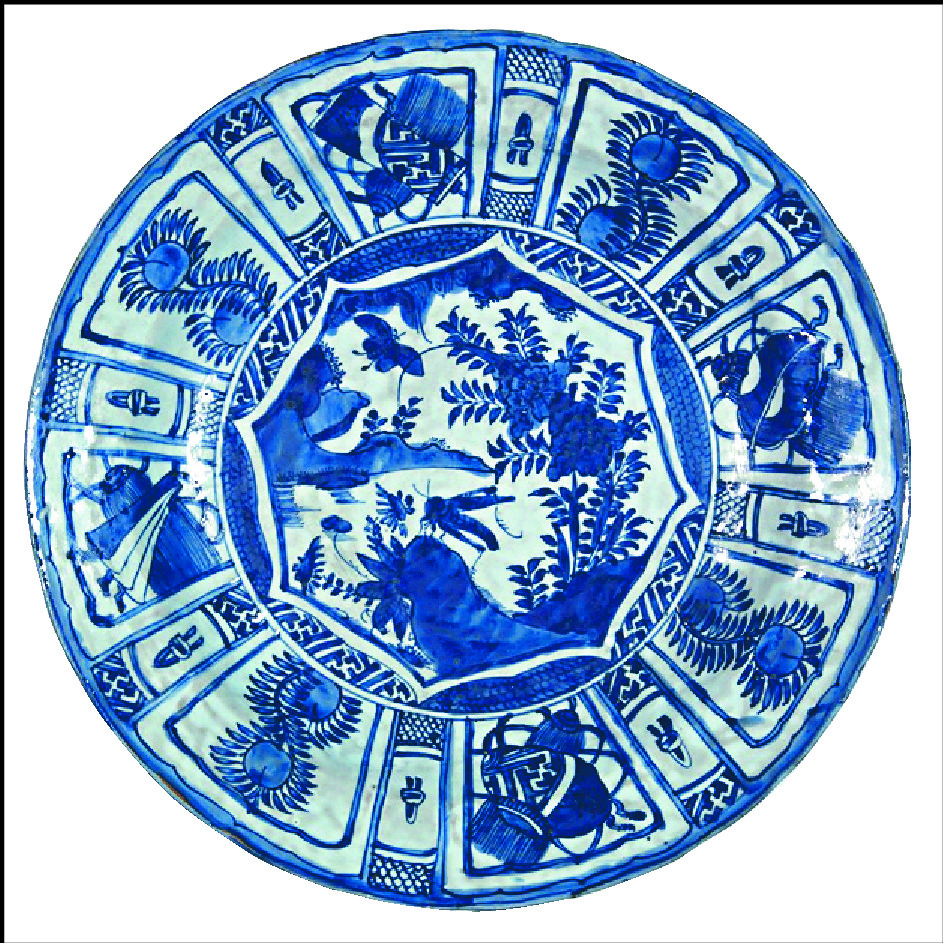
The second lecture on April 9 focused on ancient Chinese export ceramics in the Palace Museum Collection. A research fellow and director in the department of antiquities, Lyu Chenglong, discussed the museum's world-renowned collection of ancient ceramics.
Export ceramics, a category less recognized by the public, represents a significant aspect of the collection. The items in the collection came from various sources. It contains ceramics not only from the Qing court collection but also government allocations, donations from private or corporate collectors, and purchases made after 1949.
Notable works include The Five Great Kilns, famous for the production of Chinese ceramics during the Song Dynasty.
Lyu also examined imperial ceramics from the Ming (1368-1644) and Qing (1644-1911) dynasties, manufactured by the Imperial Porcelain Factory in Jingdezhen.
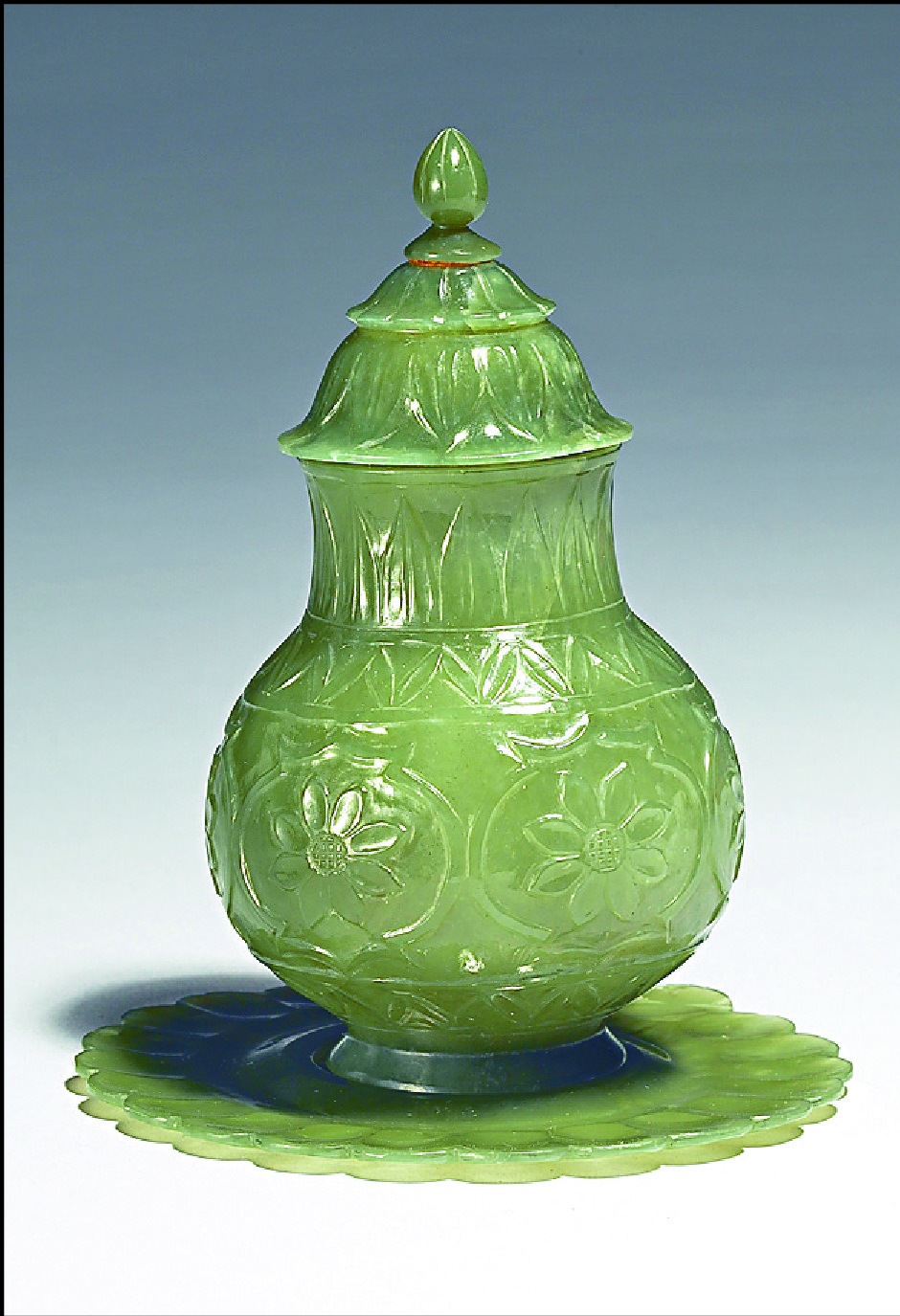
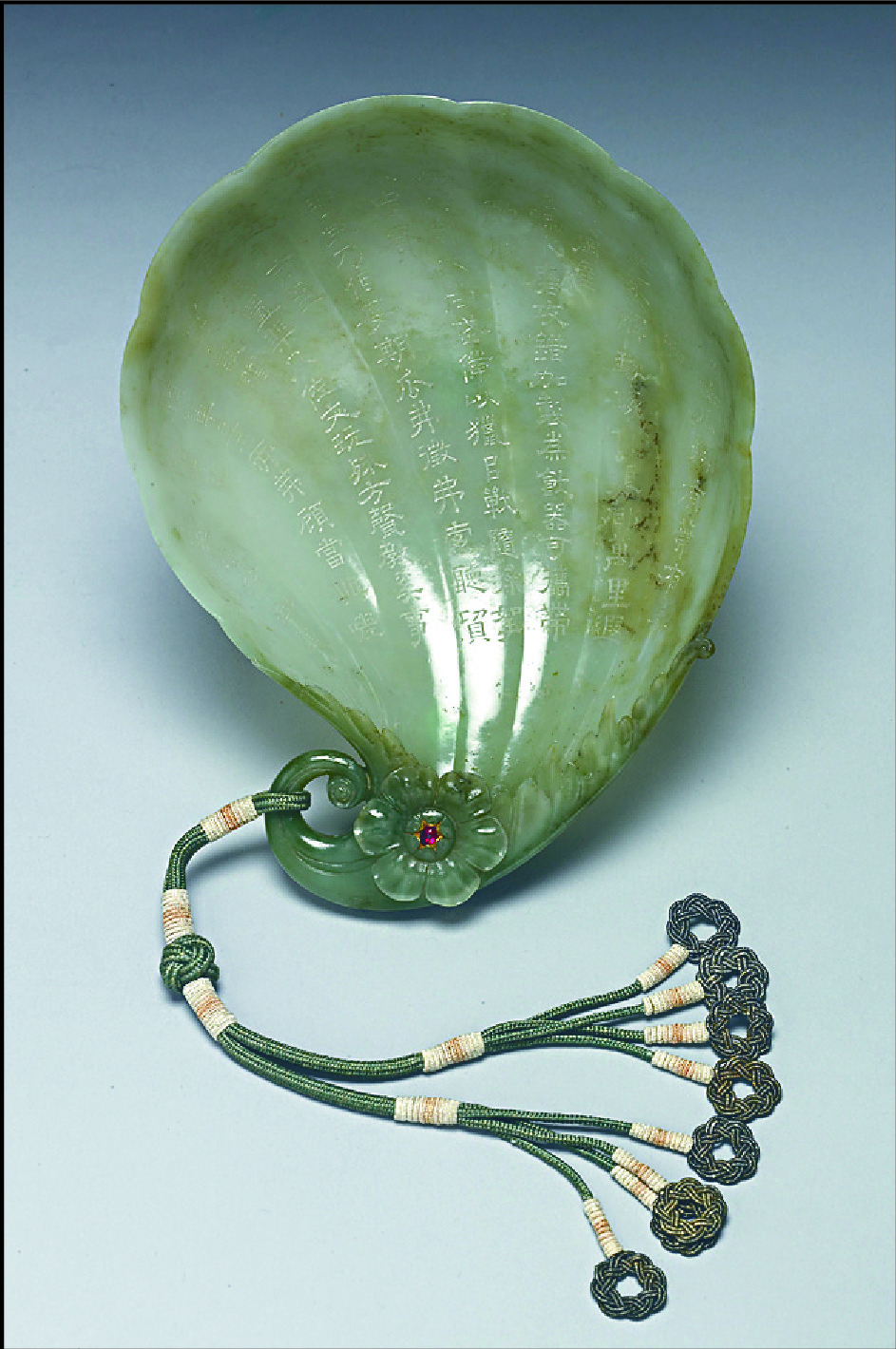
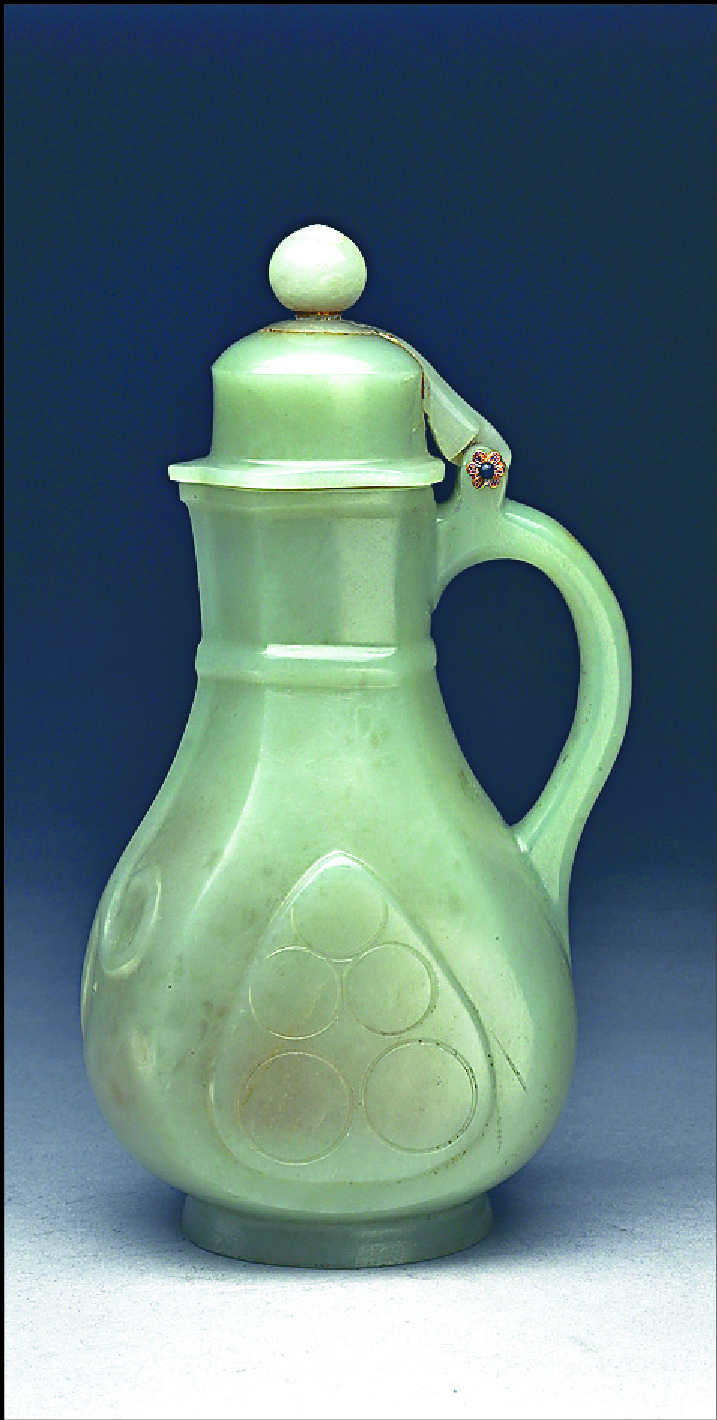
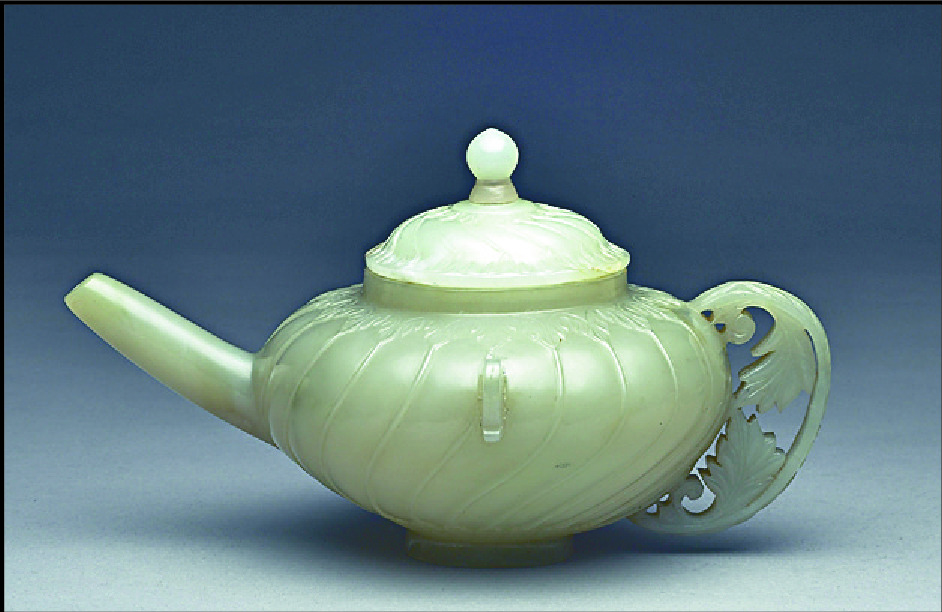
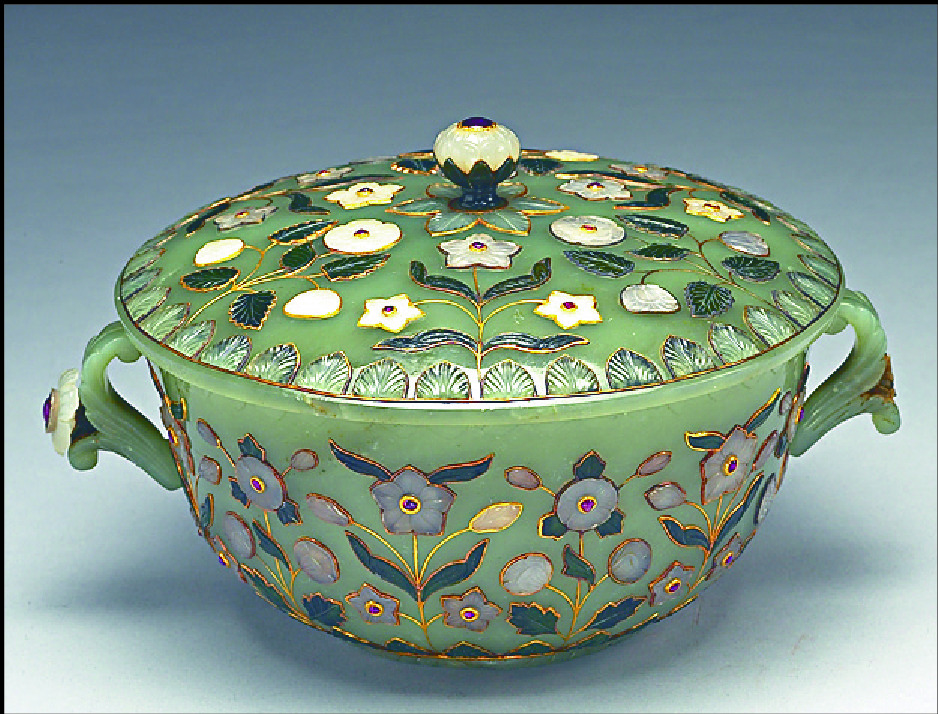
The third and final lecture of the series is led by former chief curator Teng Shu-p'ing of the department of antiquities in the National Palace Museum of Taipei. Titled Precious Jade from the Western Regions: Analyzing and Appreciating the Diversity of Islamic Jades in the Qing Collection, the lecture will focus on a stone that is highly valued in Chinese culture.
Teng will be detailing the history behind the significant amount of jade from the Islamic world entering the Qing imperial collection during the second half of the 18th century. She will also be talking about the stones themselves, including the function, history and cultural details of the jade.
Using the artistic traits of the jades, Teng will explain to audiences how to identify four regional styles, including those from the Mughal Empire in North India and from the Ottoman Empire in Turkey.
The poems composed by the Qianlong Emperor and engraved on the jades will also be used to analyze the aesthetics of the emperor, along with the stories and myths he conjured up about some of the jade in the collection.