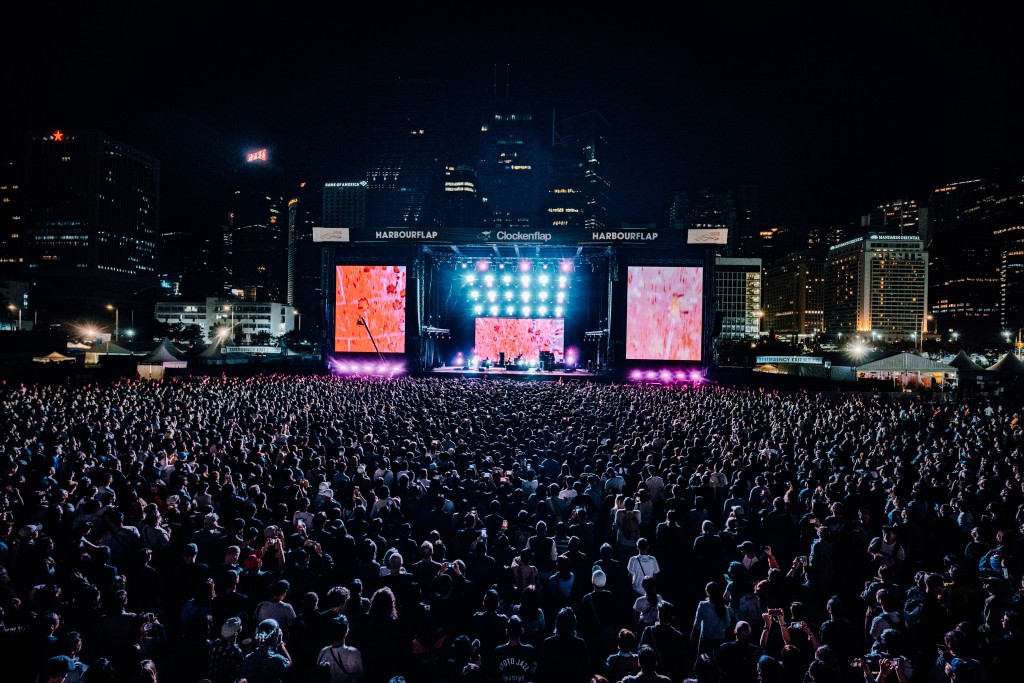
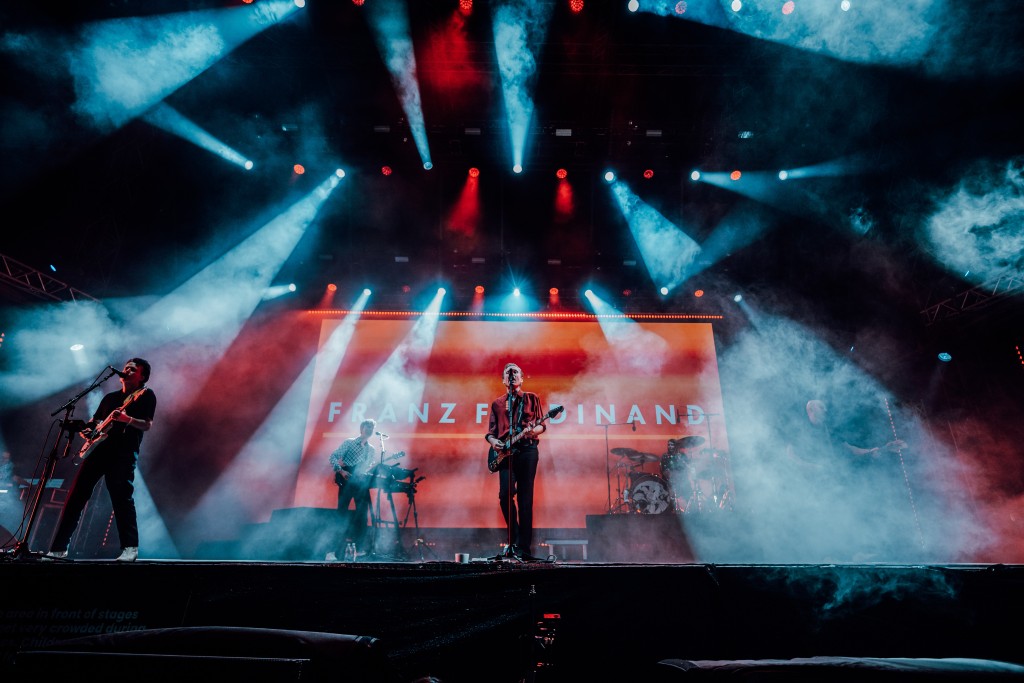
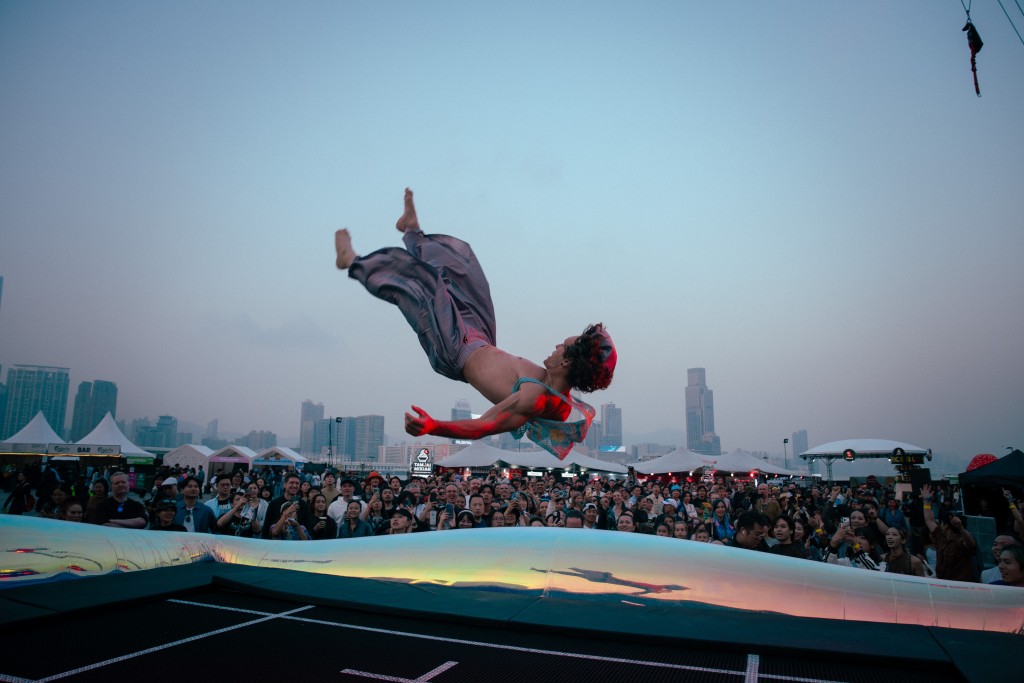
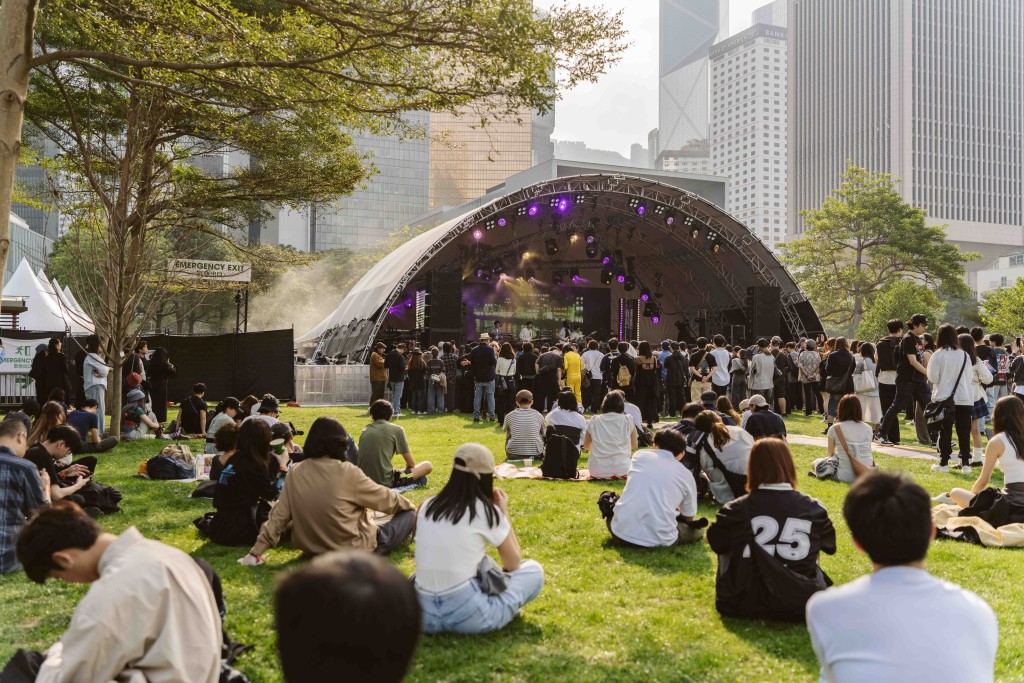
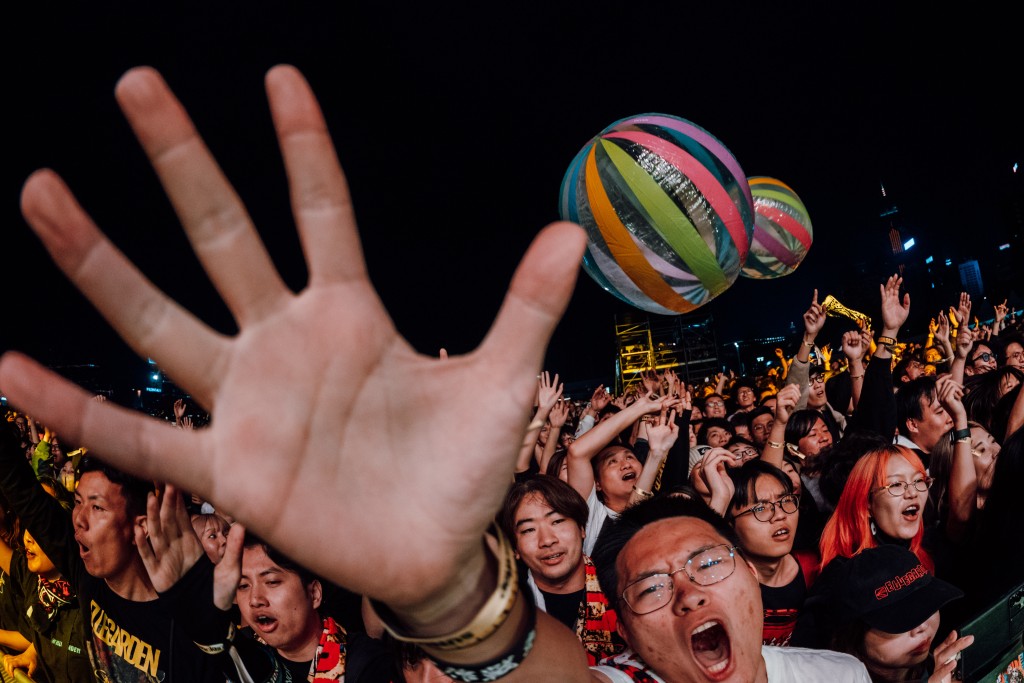
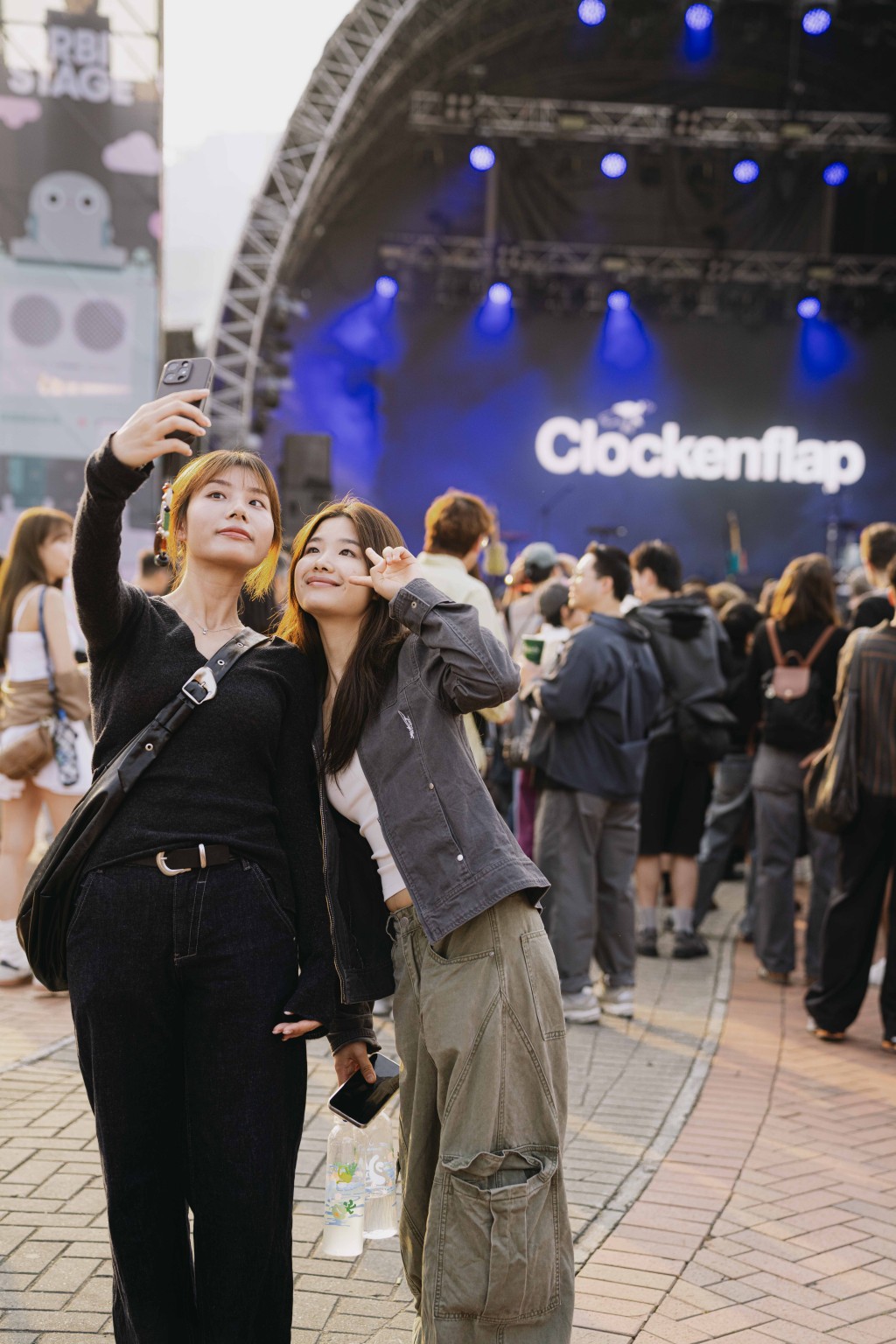
As the sun dipped behind the skyline each evening at Central Harbourfront, the city’s most recognizable festival transformed the waterfront into a living mosaic of music, movement and community.
ADVERTISEMENT
SCROLL TO CONTINUE WITH CONTENT
Clockenflap 2025, Asia’s premier outdoor music and arts festival, concluded its three-day run on Sunday, wrapping up a weekend of international sounds, bold creative expression and profound shared emotion.
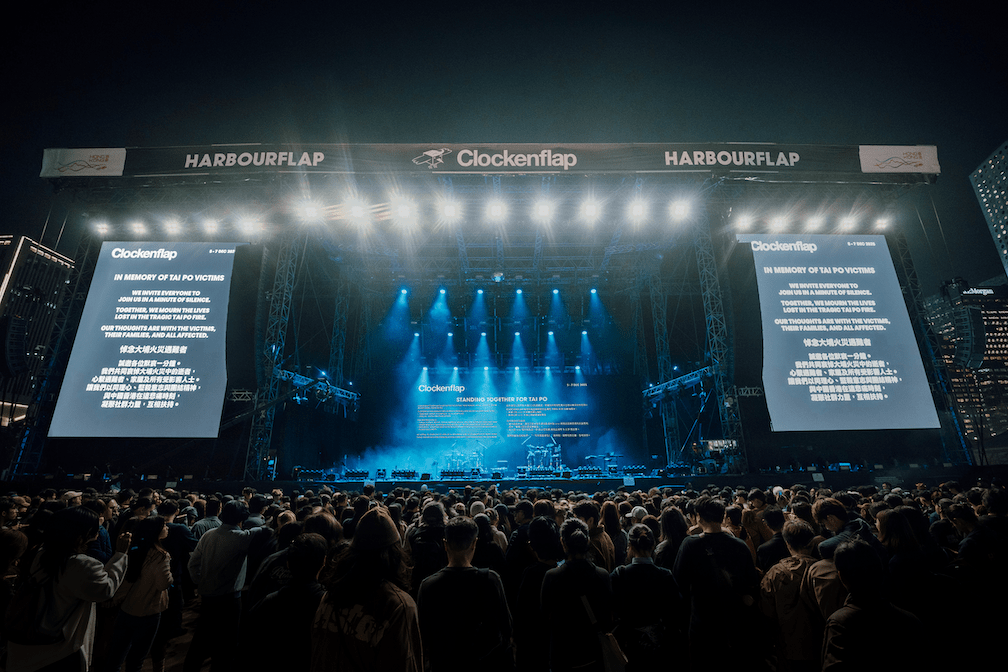
This year’s edition carried a wider significance. Thousands paused each day for a minute of silence, standing shoulder-to-shoulder in remembrance of the victims of the tragic Tai Po fire. Against the festival’s thrum of guitars, synths and cheers, the moment of stillness was striking — a reminder that even in celebration, the city grieves together.
A sonic journey through genres and generations
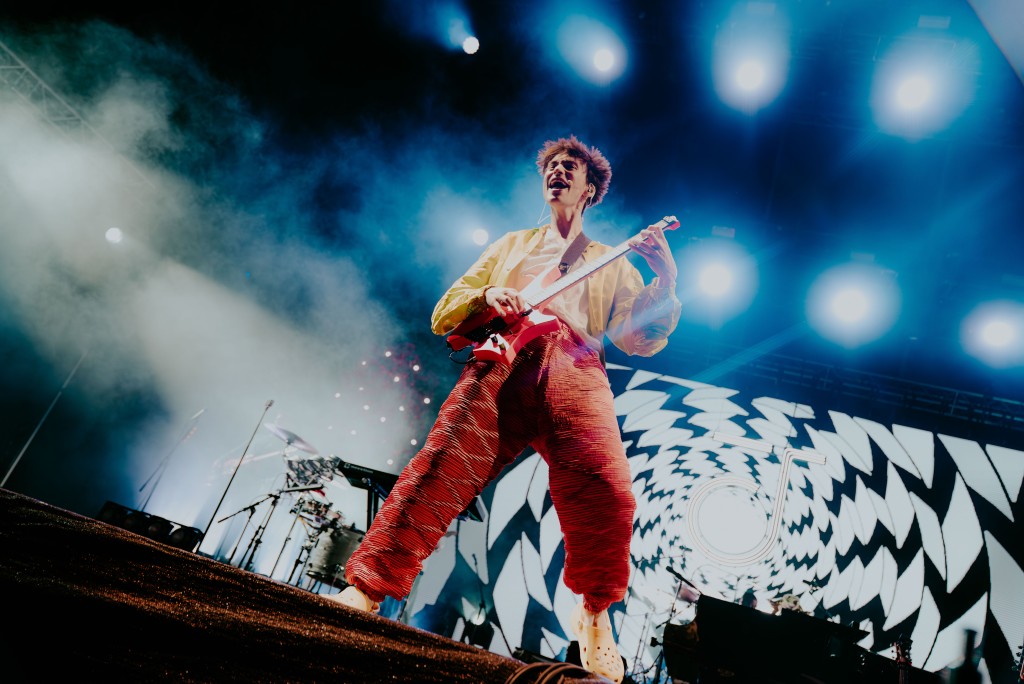
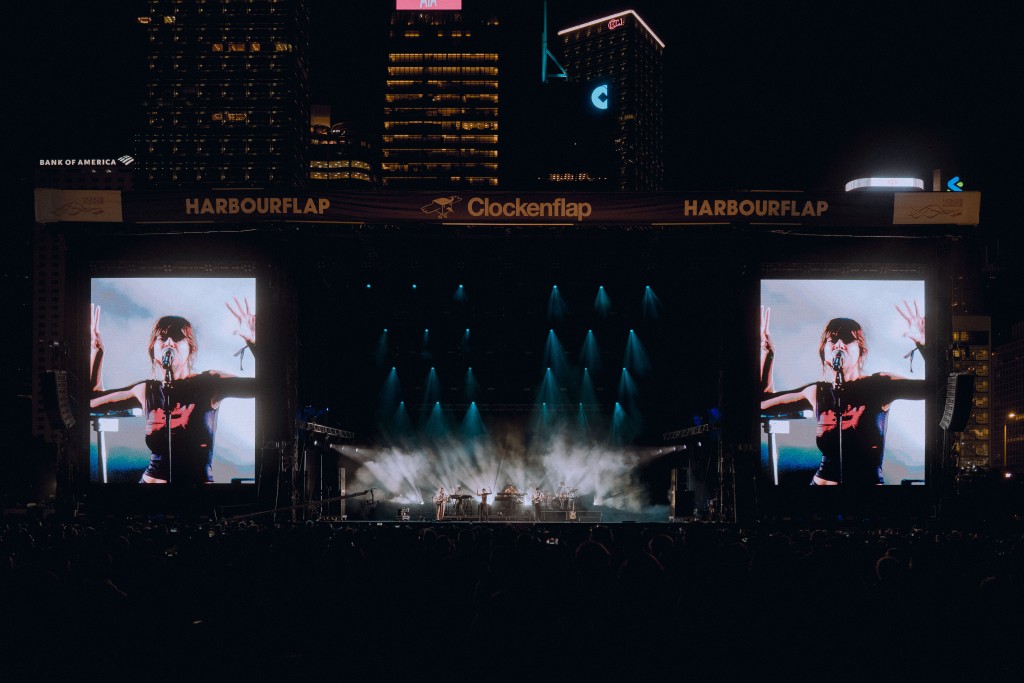
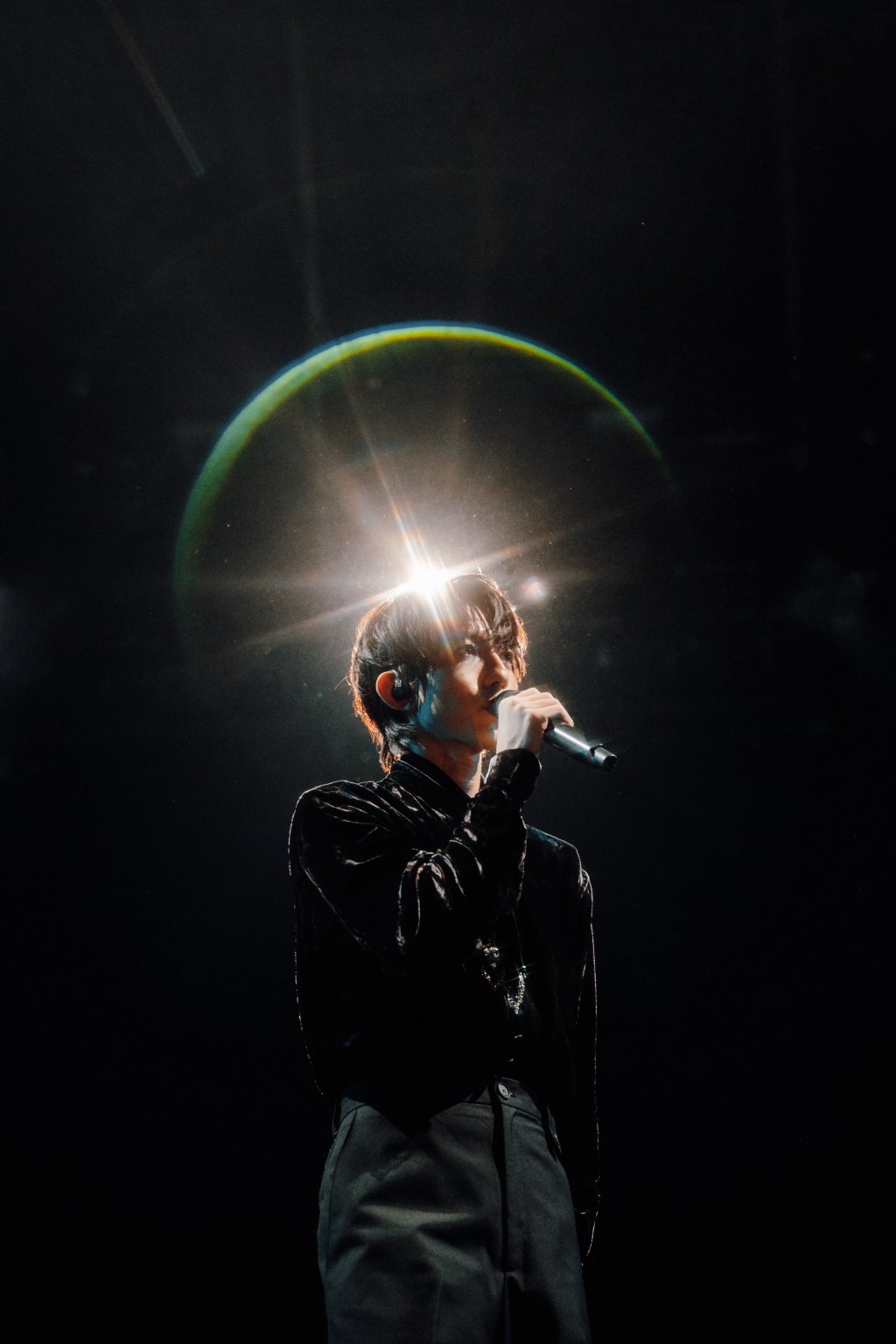
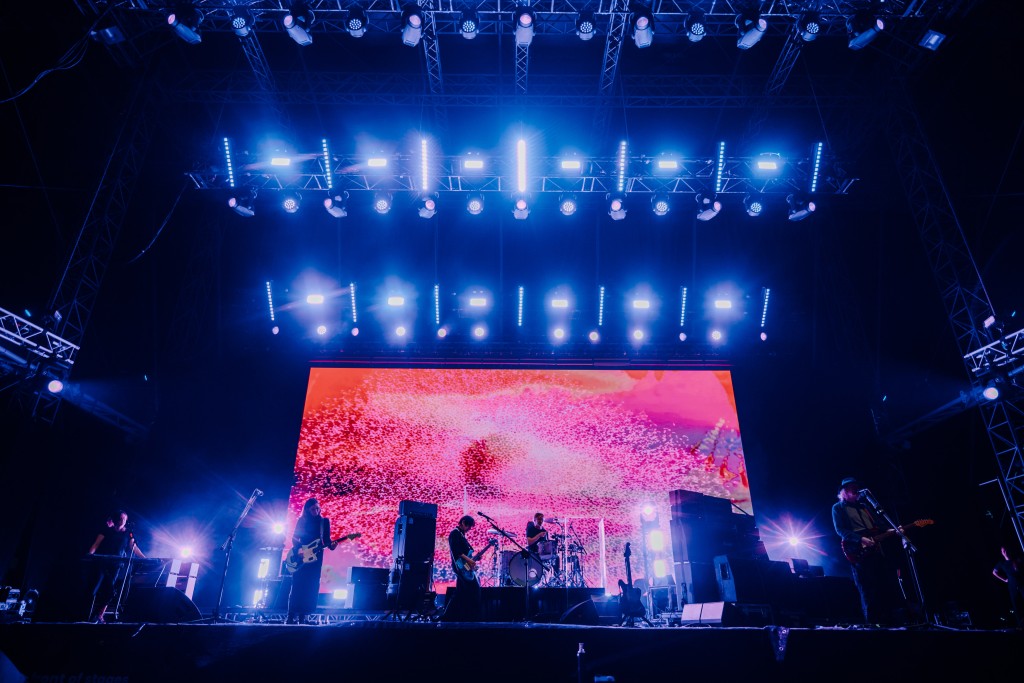
Across three main stages, Clockenflap delivered a genre-spanning lineup that moved between high-energy Asian pop, global indie, experimental electronica, nu-disco, shoegaze, post-rock and quiet unplugged sets. Each transition felt like its own act in a larger narrative — a festival designed not only for music lovers but for those seeking discovery.
+3
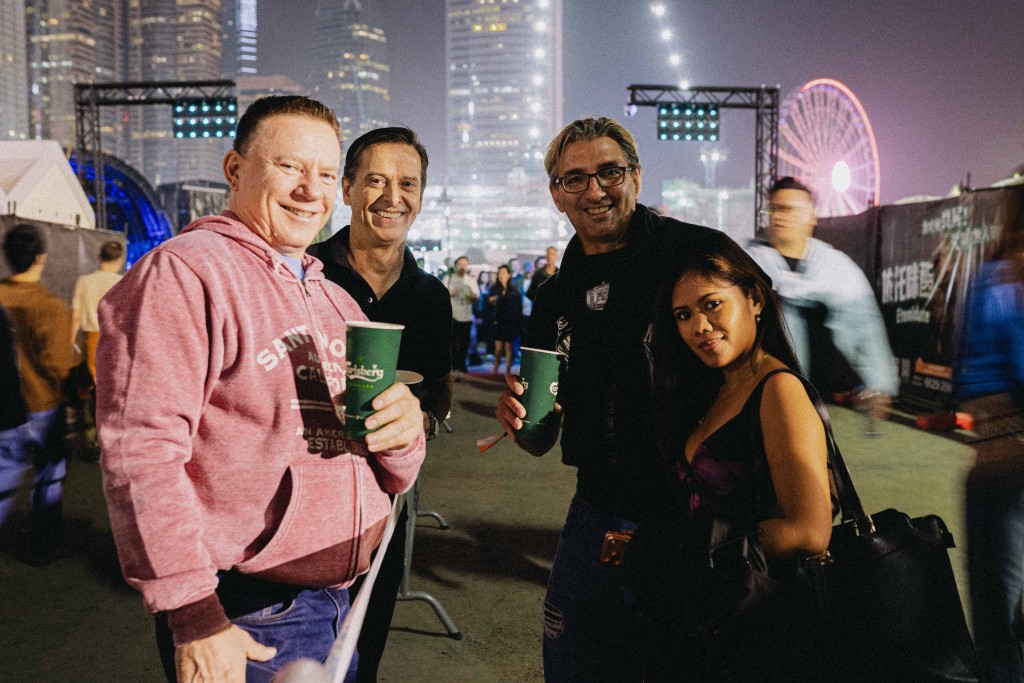
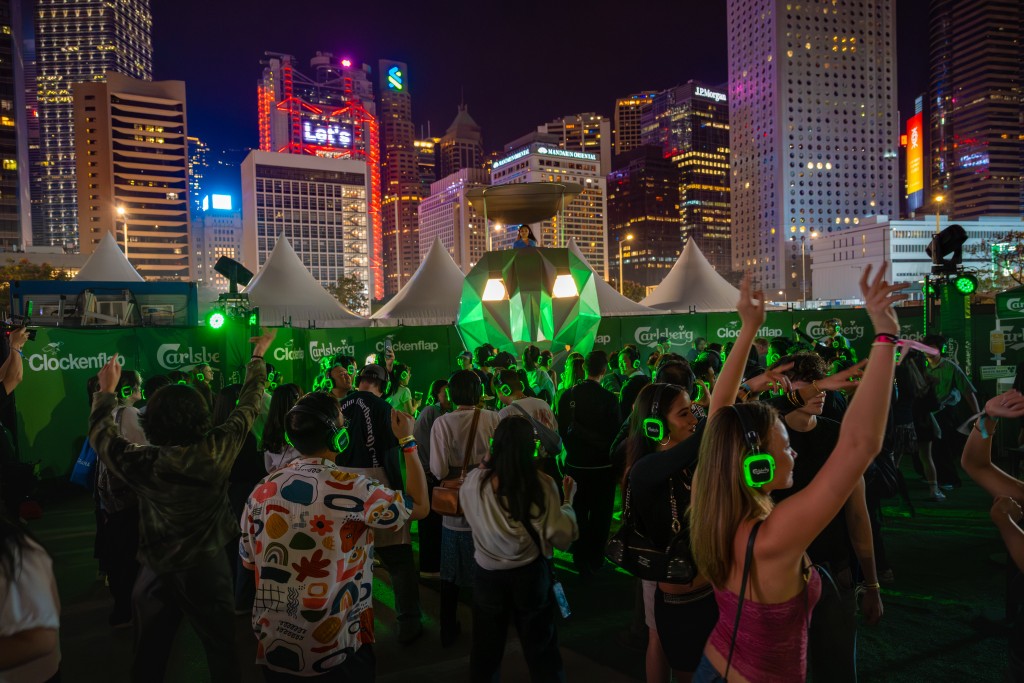
Families gravitated toward the Robot Stage during the day, where puppet shows, percussion jams and singalongs created a festival-within-a-festival for younger audiences. At night, crowds flocked to the ever-popular Silent Disco powered by Carlsberg, its glowing headphones bobbing like lanterns under the skyline.
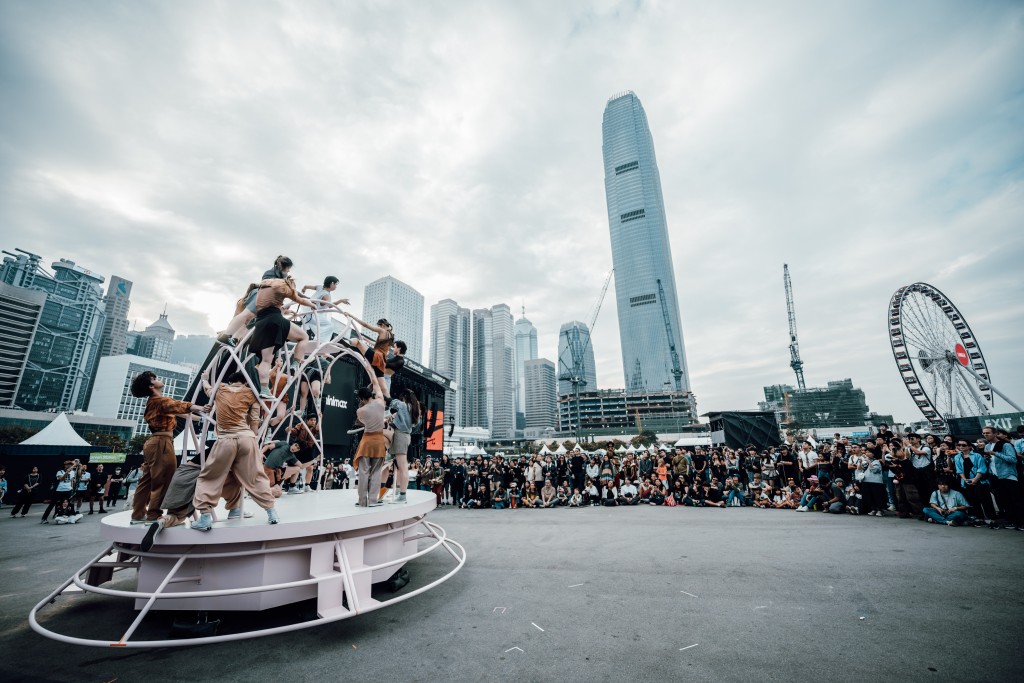
Clockenflap’s arts offering took on ambitious new dimensions this year, highlighted by the world premiere of Minimax: The Planets. The mobile, three-act kinetic performance threaded through festivalgoers, merging theatre, circus arts, music and contemporary dance in an immersive experience that unfolded between band sets.
+2
The festival received financial support from the Mega Arts and Cultural Events Fund under the Culture, Sports and Tourism Bureau, while Minimax was supported through the government’s Arts Capacity Development Funding Scheme.
Food becomes culture
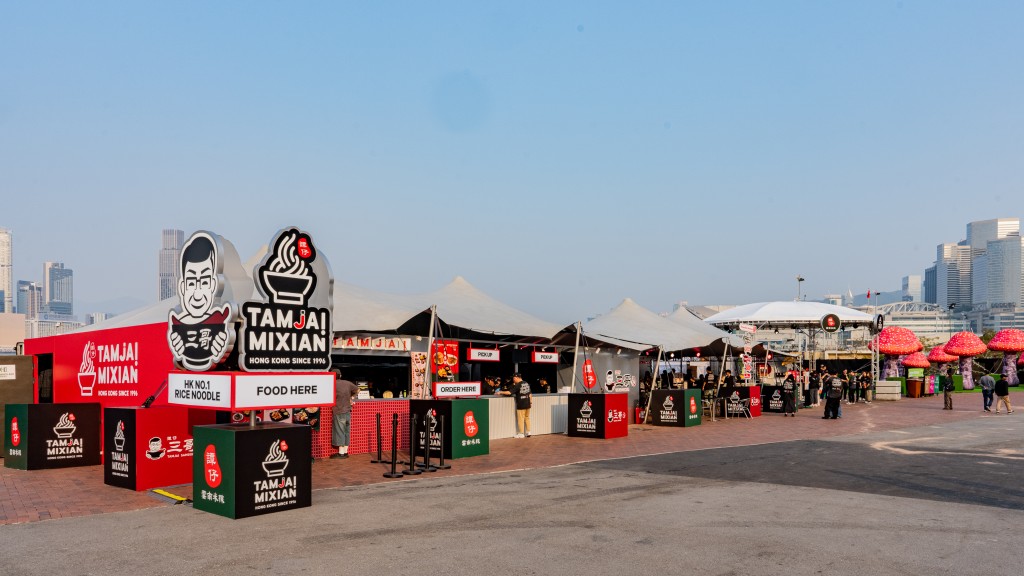
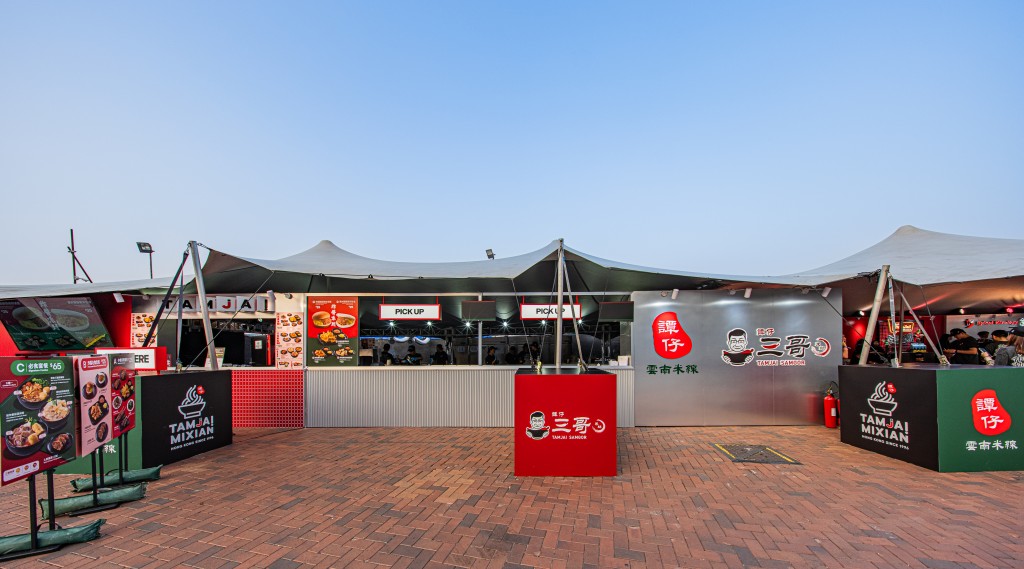
But Clockenflap has always been more than sound and spectacle. It is, in many ways, a showcase of Hong Kong culture — and this year, that spirit was embodied by Tam Jai International.
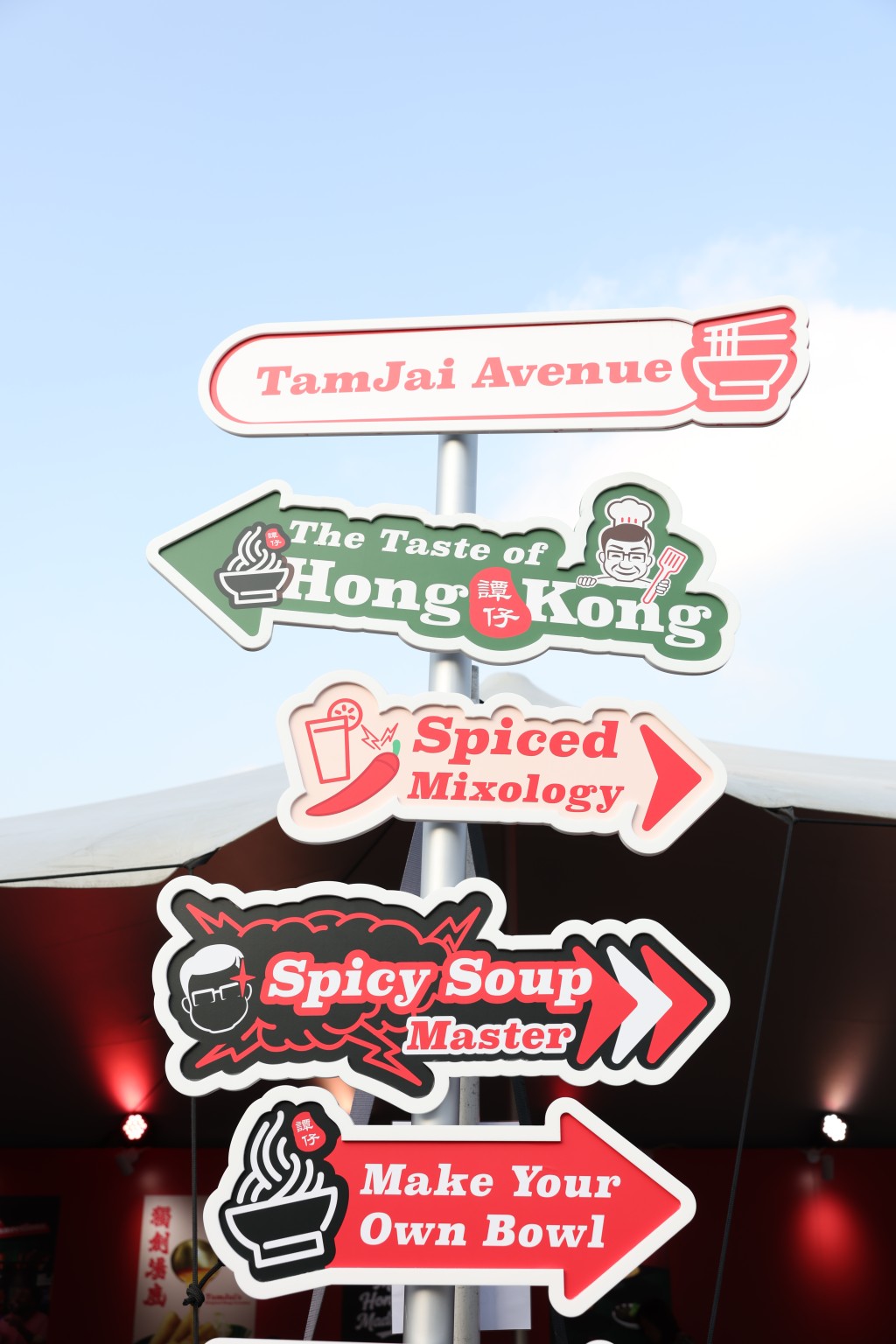
For the first time, TamJai Yunnan Mixian, TamJai SamGor Mixian and TamJai Mixian joined forces as an official festival partner, turning “TamJai Avenue” into a dining destination that blended culinary heritage with contemporary creativity.
Their presence acted as both a crowd magnet and a cultural statement: a celebration of the city’s street-level food identity presented on a global festival stage.
The trio brands anchored their offerings around the theme “Made in Hong Kong, Made to Move” — a slogan that captured both the craftsmanship behind their signature broths and their drive to expand Hong Kong’s noodle culture to new markets. “Made in Hong Kong” signaled authenticity; “Made to Move” pointed to ambition.
Their Clockenflap-exclusive menu brought East and West into playful conversation. Alongside classics like Mala Soup Mixian, Tomato Soup Mixian, TuFei Chicken Wings and Century Eggs, the brands introduced whimsical cross-cultural bites: Minced Pork and Homemade Pickles Mini Burger, and Avocado in Garlic and Chili Sauce — a union of bold spice and modern festival flair.
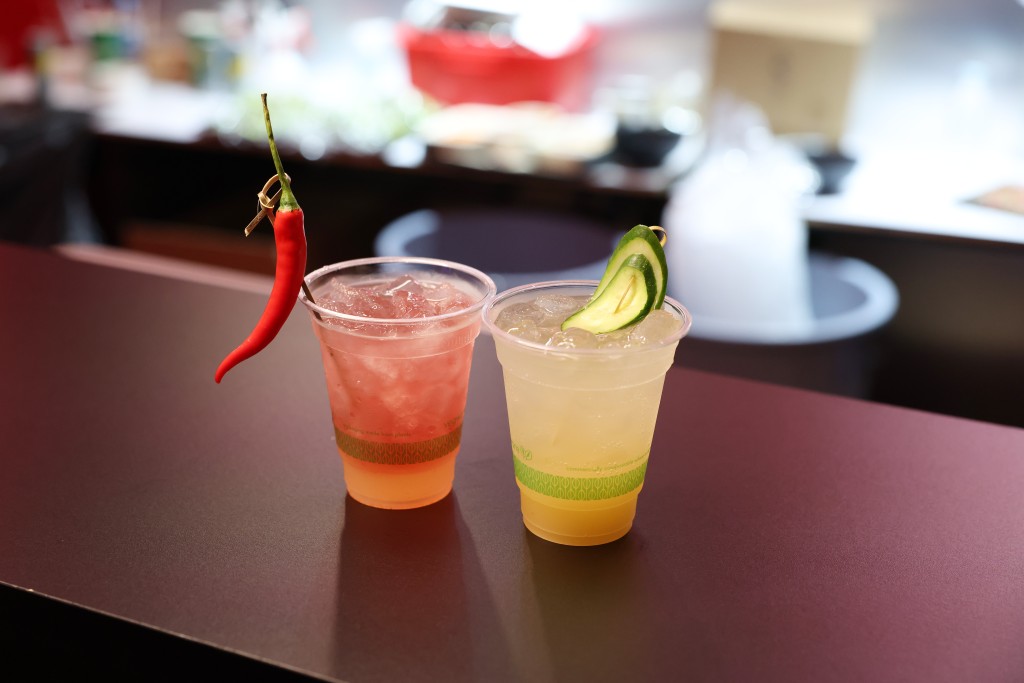
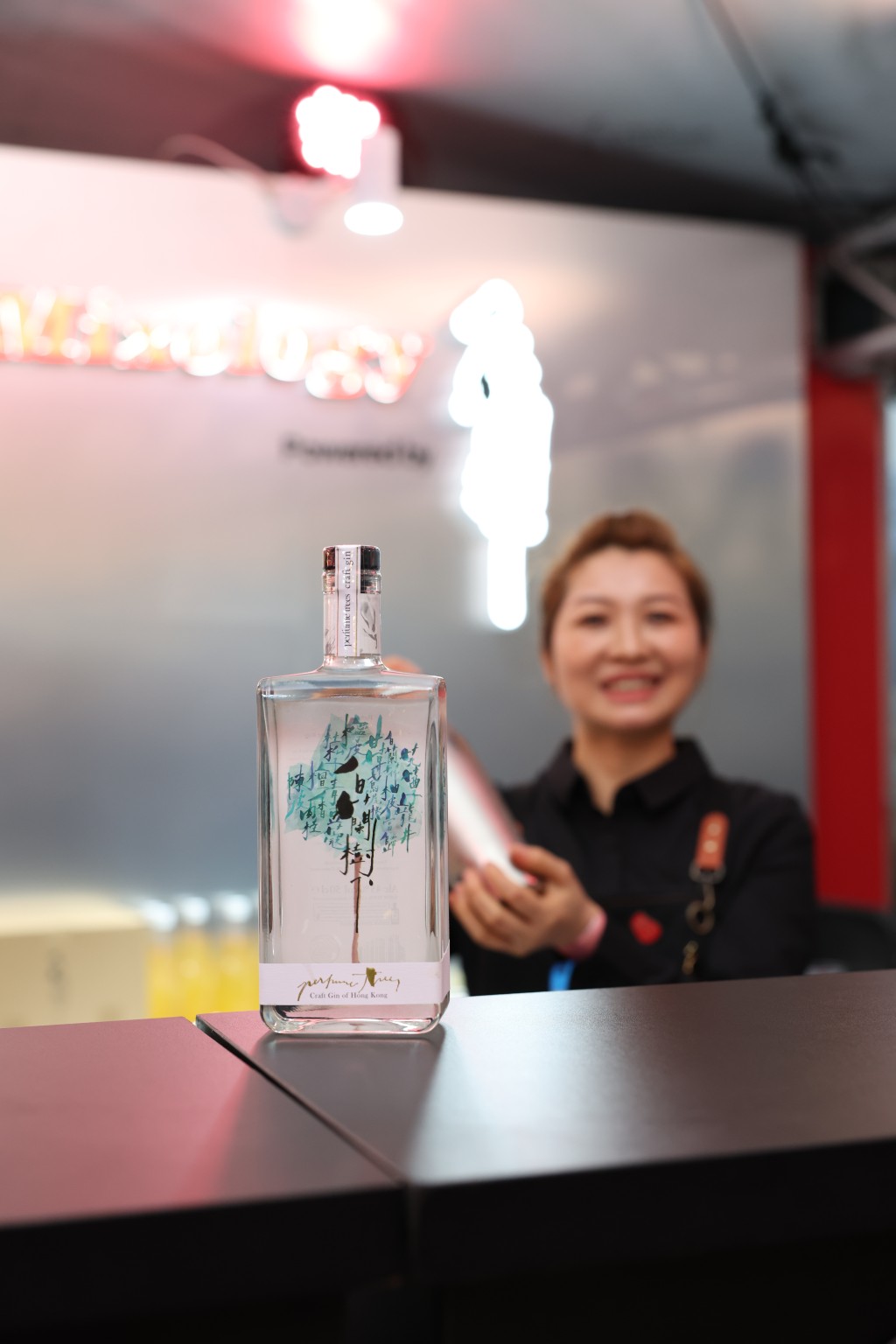
Their bar concept, “Spiced Mixology,” extended the collaboration. Working with local gin producer Perfume Trees Gin, TamJai delivered two cocktails layered with Hong Kong personality:
Gin’ger, TamJai’s ginger-forward sparkling concoction with whiskey and cucumber
And in a gesture that resonated deeply with the festival’s daily tributes, the three TamJai brands pledged to donate all on-site profits to the Tai Po Fire emergency relief fund under the Tung Wah Group of Hospitals.
Fashion, movement and the promise of 2026
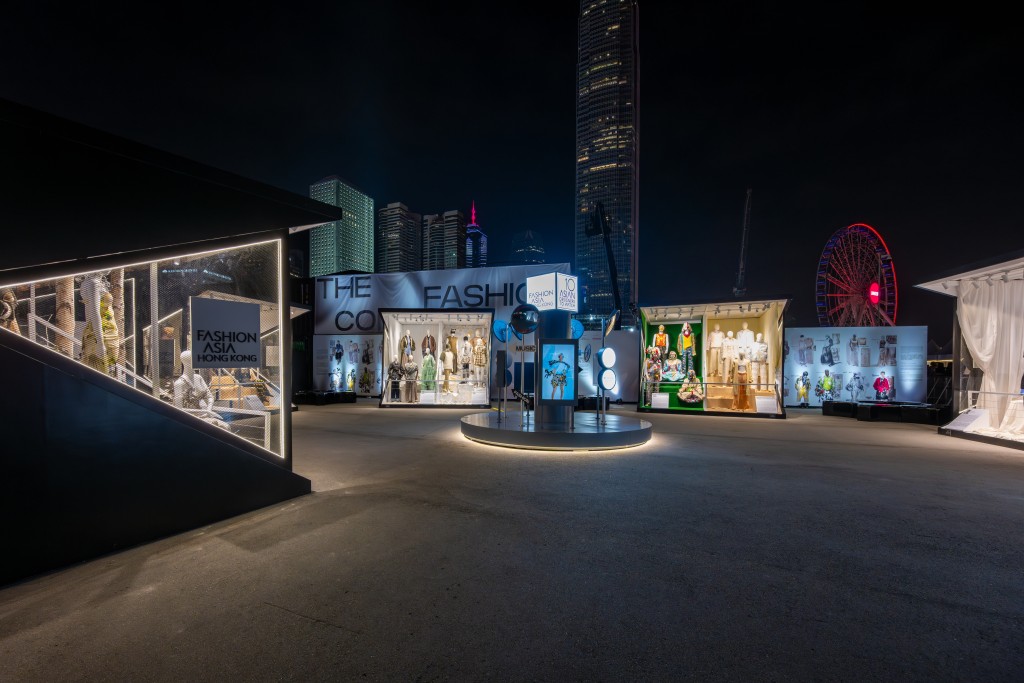
Fashion Asia added another cultural layer with a runway-inspired exhibition spotlighting the winners of its “10 Asian Designers to Watch 2025,” turning festival paths into catwalks of emerging creativity.
By Sunday evening, as the final performances wound down, Clockenflap announced the release of Blind Bird tickets for its 2026 edition, priced at HK$1690 for a three-day pass. Within hours, early-bird festivalgoers were already securing their spots.
A festival that reflects the heartbeat of Hong Kong
Clockenflap 2025 was not just a weekend of performances — it was a portrait of a city in motion: mourning together, celebrating together, evolving together. It showcased artists from around the world but felt unmistakably local, bridging Hong Kong’s past and future through culture and community.
As the lights faded and crowds dispersed into the cool December night, one thing was clear: the festival remains one of Hong Kong’s strongest cultural signatures — an open-air reminder of who the city is and who it continues to become.