Centuries-old thangkas whisper tales of enlightenment while gilt-bronze statues bear silent witness to the crossroads of cultures at an exhibition of Buddhist artifacts under way at the Hong Kong Heritage Museum.
The exhibition -- Buddhist Pilgrimage: Treasures from the Donation of The Tsui Art Foundation -- showcases 70 treasures that unveil the spiritual and artistic legacy of Tibetan Buddhism.
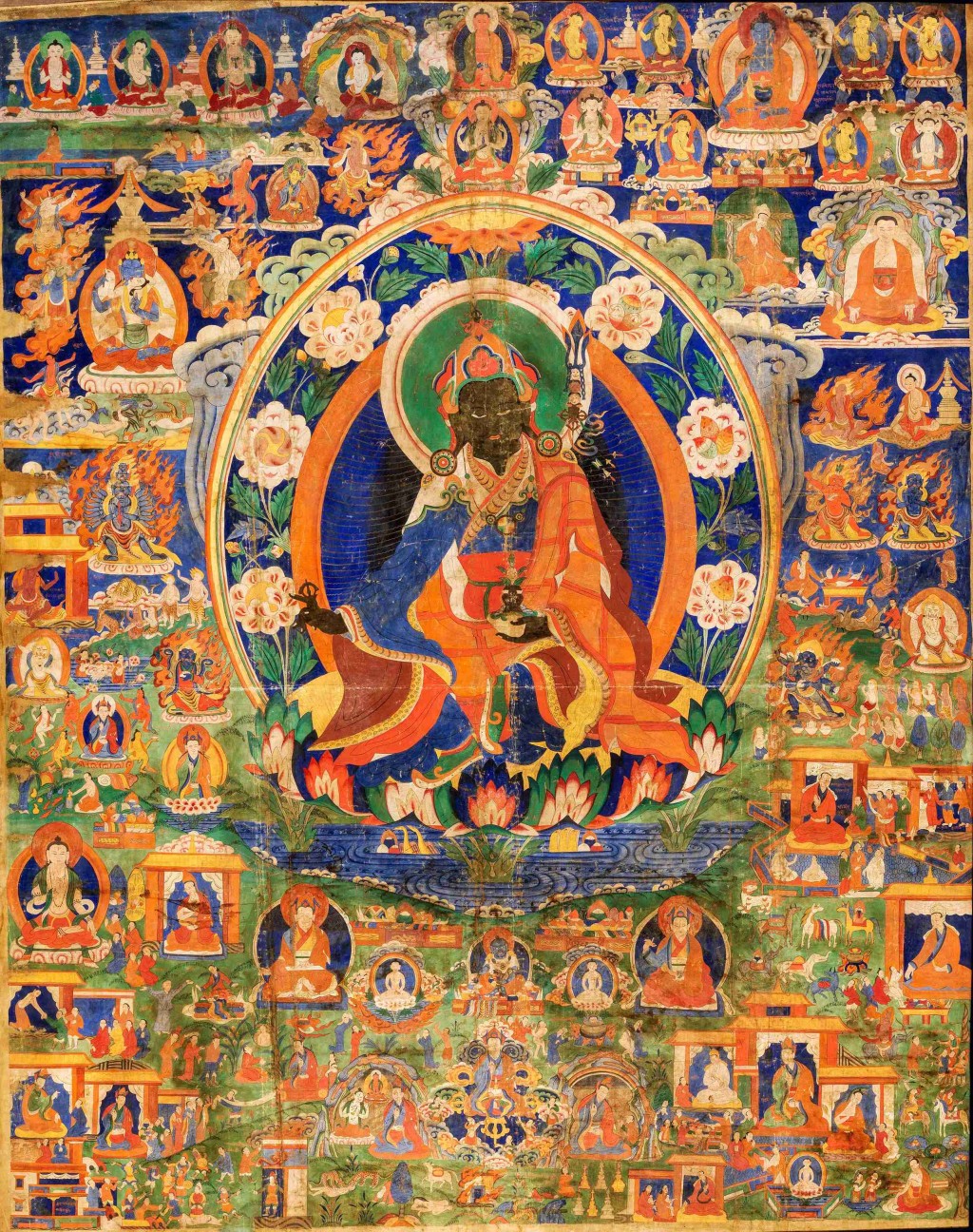
One of the highlights is a votive thangka of Padmasabhava, the legendary Lotus-born master who brought Buddhism to Tibet.
Votive thangka of Padmasaṃbhava. HKHM
In this 17th-century masterpiece stretching over two meters tall, flames curl around the master, yet his expression remains serene.
In the eleven-faced Avalokiteśvara, the bodhisattva of compassion gazes down with eleven faces, each representing a different aspect of enlightenment. His six arms hold symbols -- a lotus, a bow, a vase-- each a key to understanding Buddhist teachings.
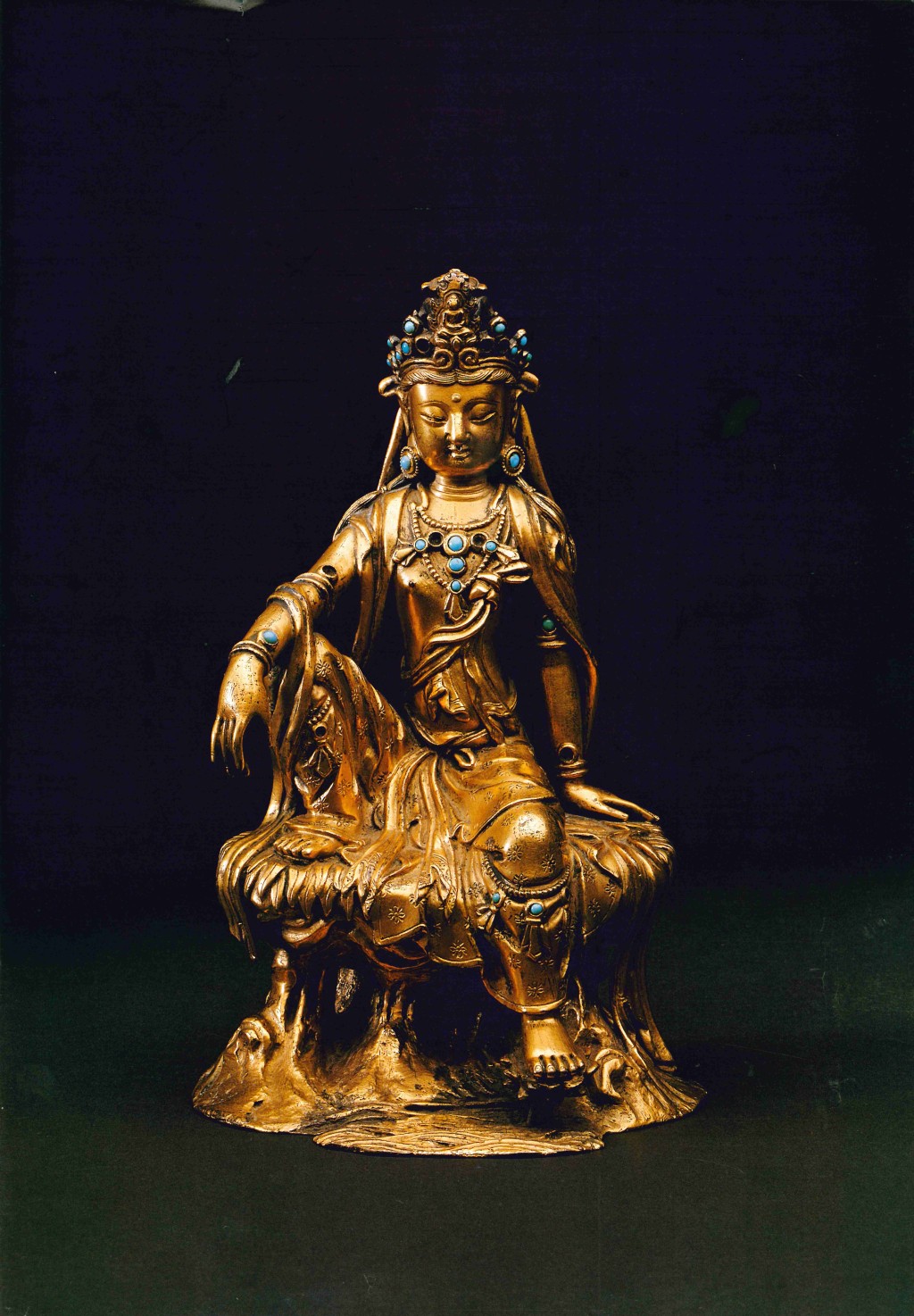
Nearby, a 19th-century gilt-bronze figure of Avalokiteśvara embodies the style of Han Buddhist sculpture, demonstrating the mutual exchange between different Buddhist cultures of the East and the West.
Gilt-bronze figure of Bodhisattva Avalokiteśvara. HKHM
Alive with stories, the works connect the human and the divine.
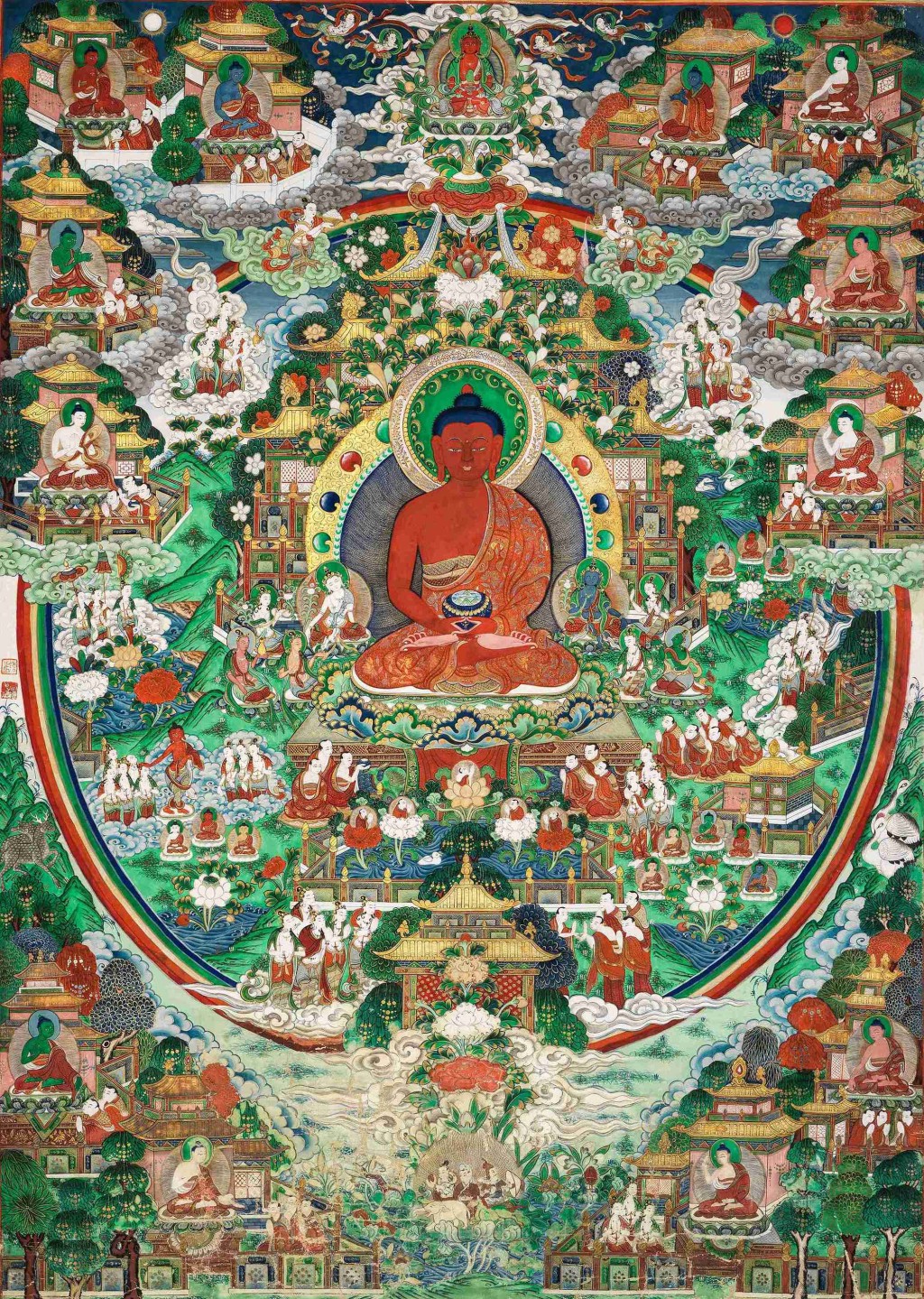
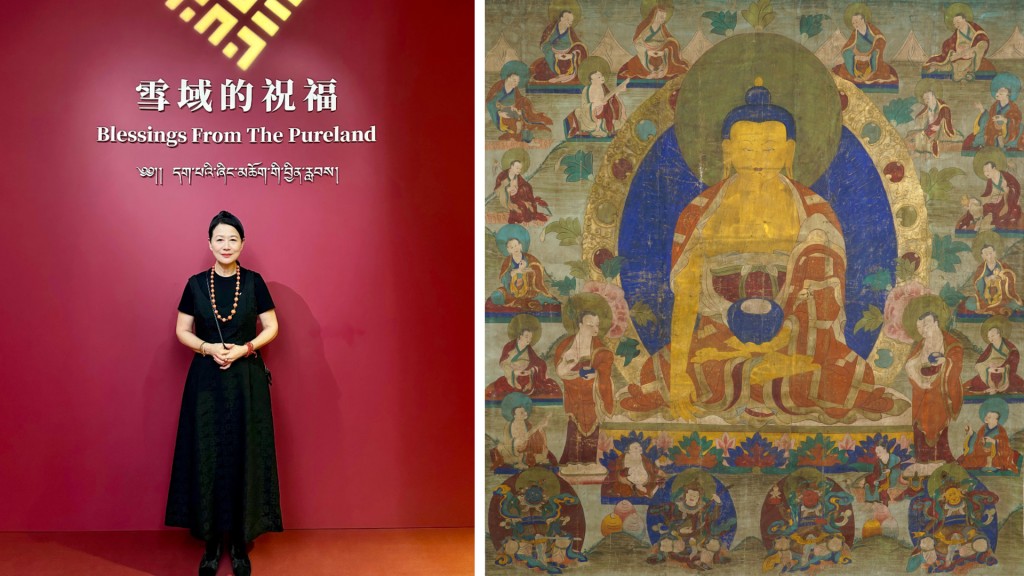
One such bridge is the stunning Amitābha pure land (Sukhāvatī), where the Buddha of Infinite Light sits surrounded by eight bodhisattvas, their colors still vibrant after centuries. Every fold of silk, every delicate halo hints at the devotion of the artists, who saw their work as sacred acts.
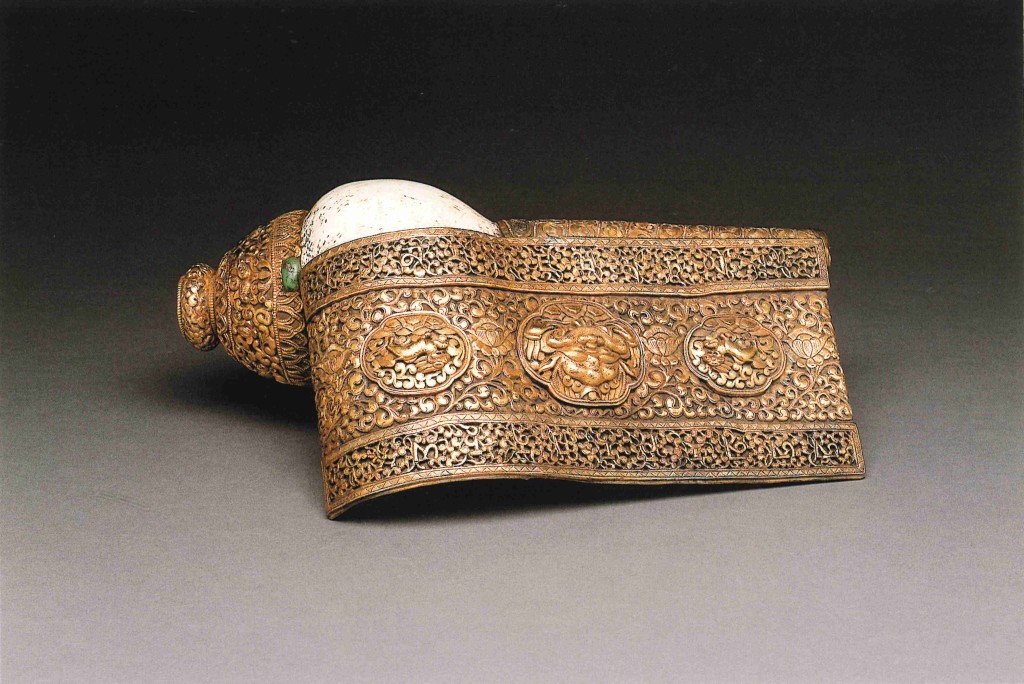
Gilt-bronze statues reveal the silent dialogue between cultures. Even the Conch shell -- a ritual instrument adorned with intricate metalwork -- tells of craftsmanship turned devotion. Blown during ceremonies, its sound was believed to banish evil.
Conch shell. HKHM
Inside the exhibition a multimedia installation traces the footsteps of the Tang Dynasty Chinese Buddhist monk, Xuanzang -- the real-life inspiration for Journey to the West. Animated maps chart his 17-year trek across deserts and mountains to India, where he retrieved sacred texts that would reshape Chinese Buddhism.
Buddhist Pilgrimage runs at the HKHM’s T T Tsui Gallery of Chinese Art until October 2026. Admission is free.