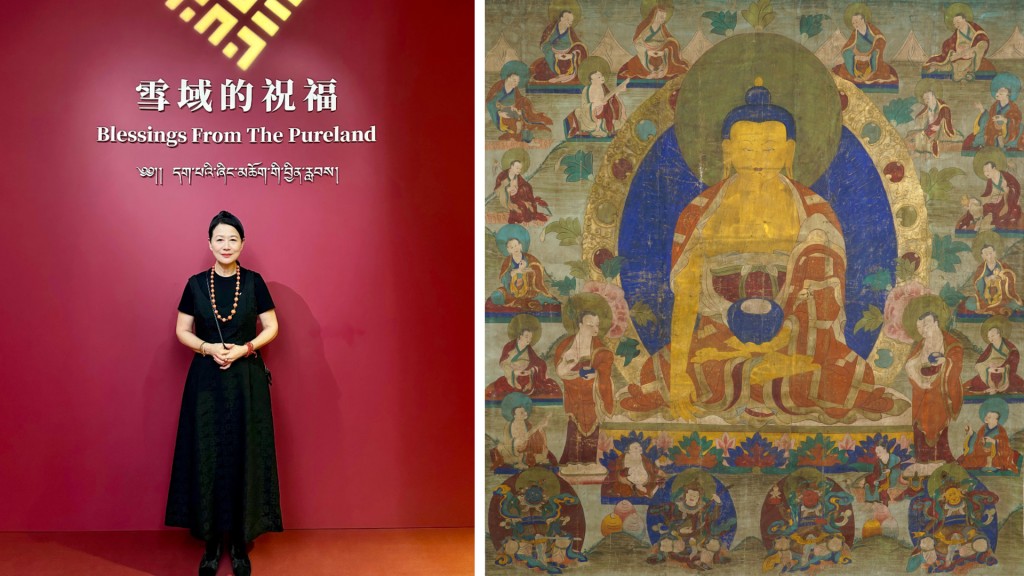
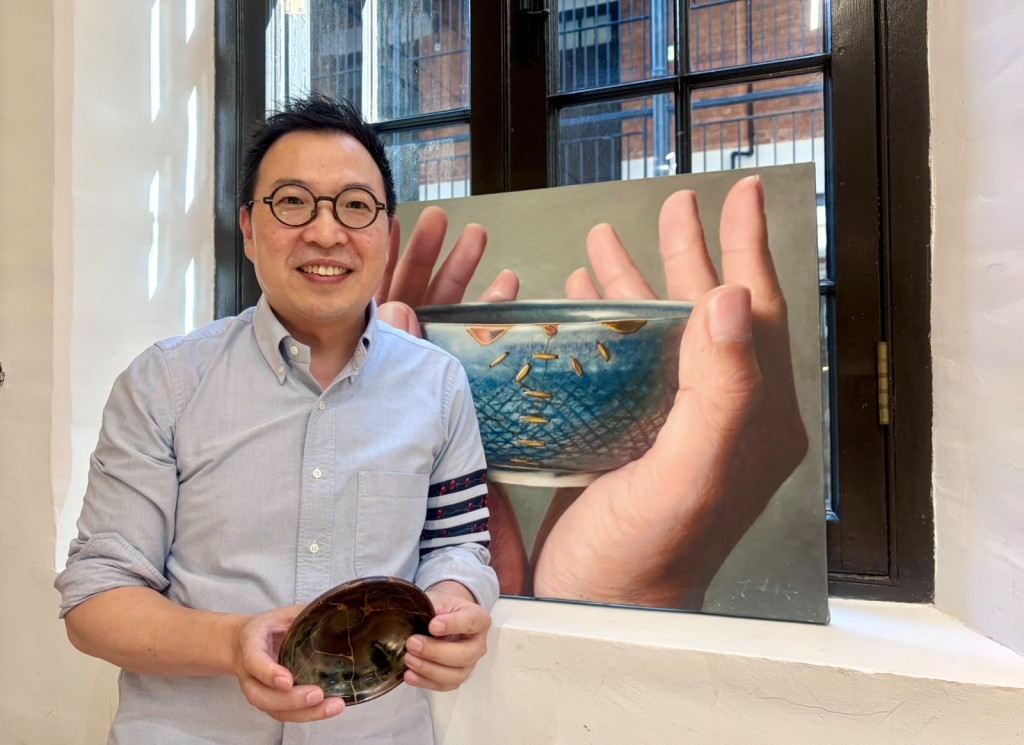
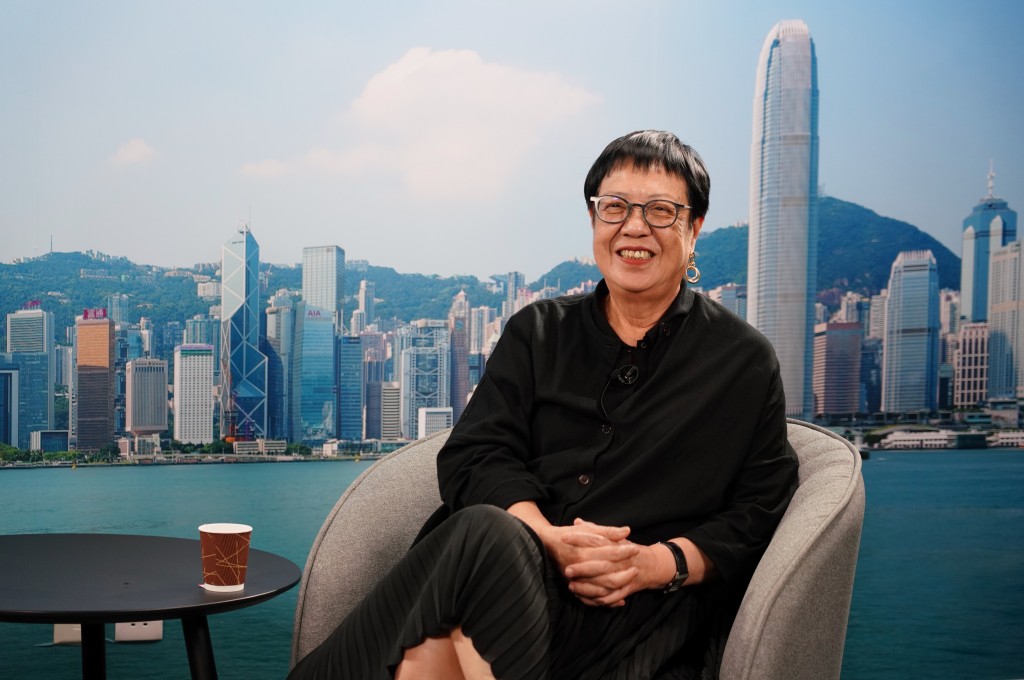
Linda Lau (Left) hopes the exhibition will deepen public understanding of the Tibetan Buddhist tradition and the thangkas' place in Chinese cultural art, and that in a turbulent world, they might offer some inner peace.
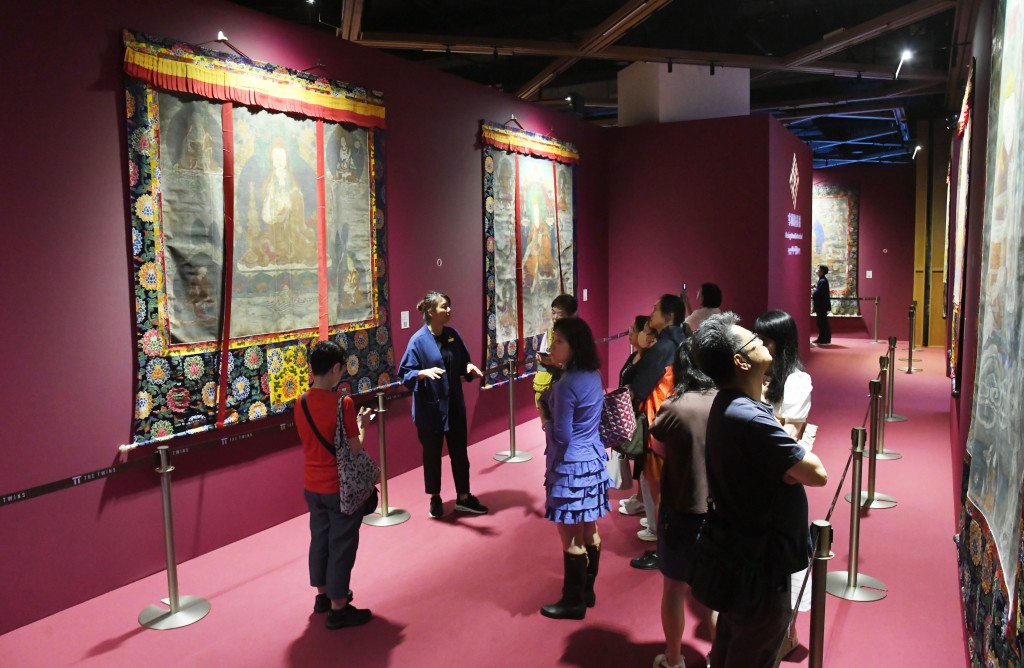
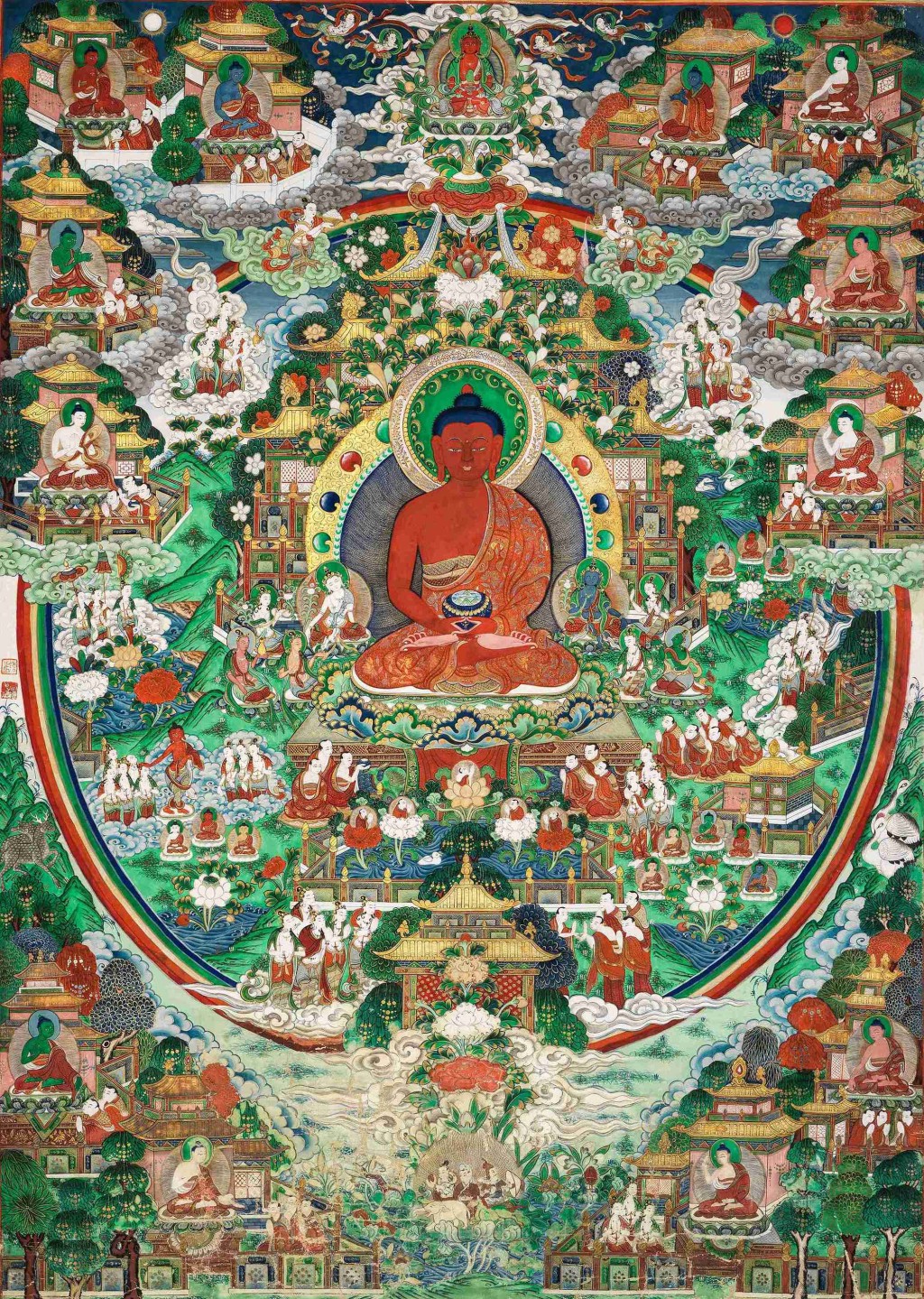
The exhibition “Blessings from the Pureland,”showcasing 37 large-scale thangka masterpieces in celebration of the 28th anniversary of Hong Kong’s return to the mainland, has drawn large crowds since its opening last month.
ADVERTISEMENT
SCROLL TO CONTINUE WITH CONTENT
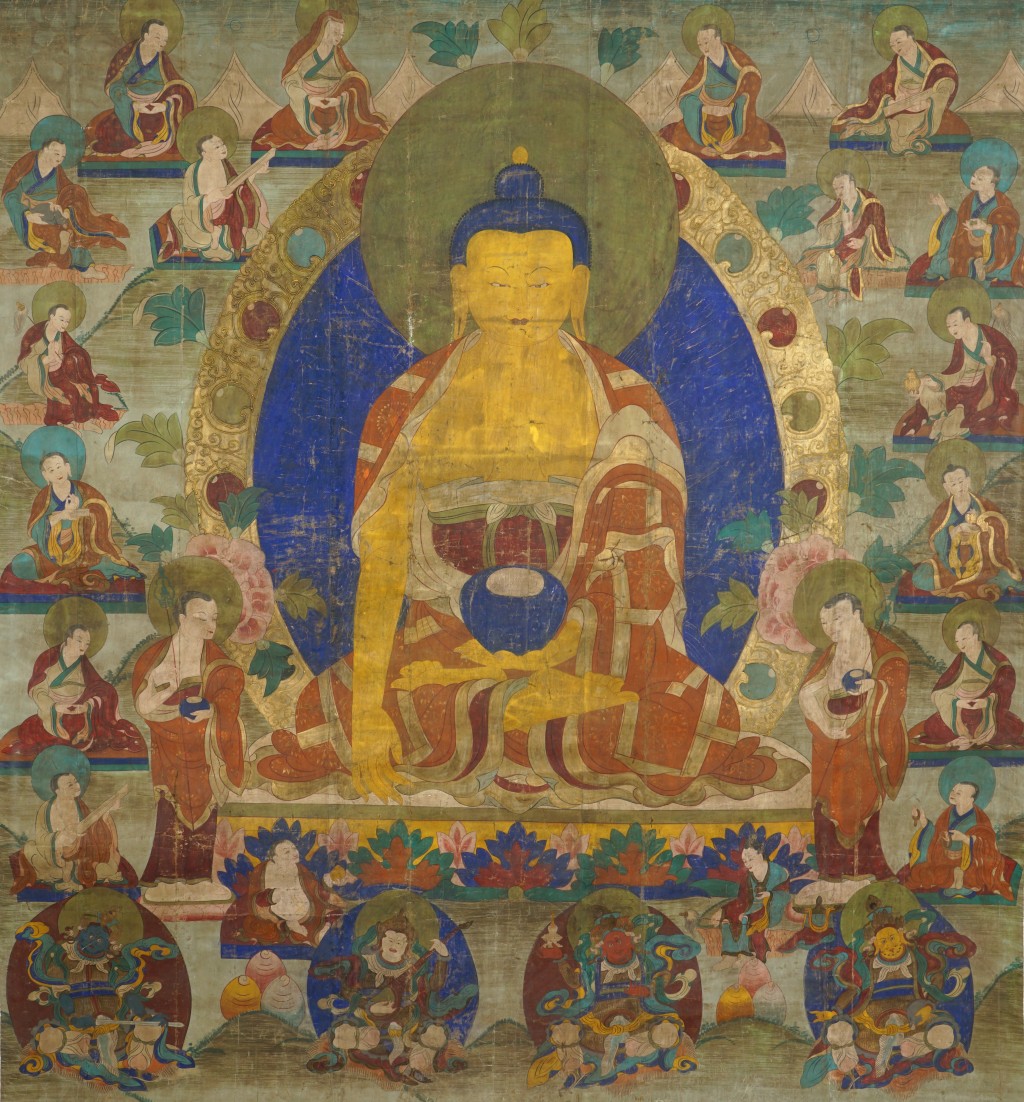
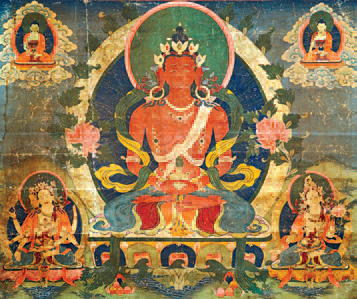
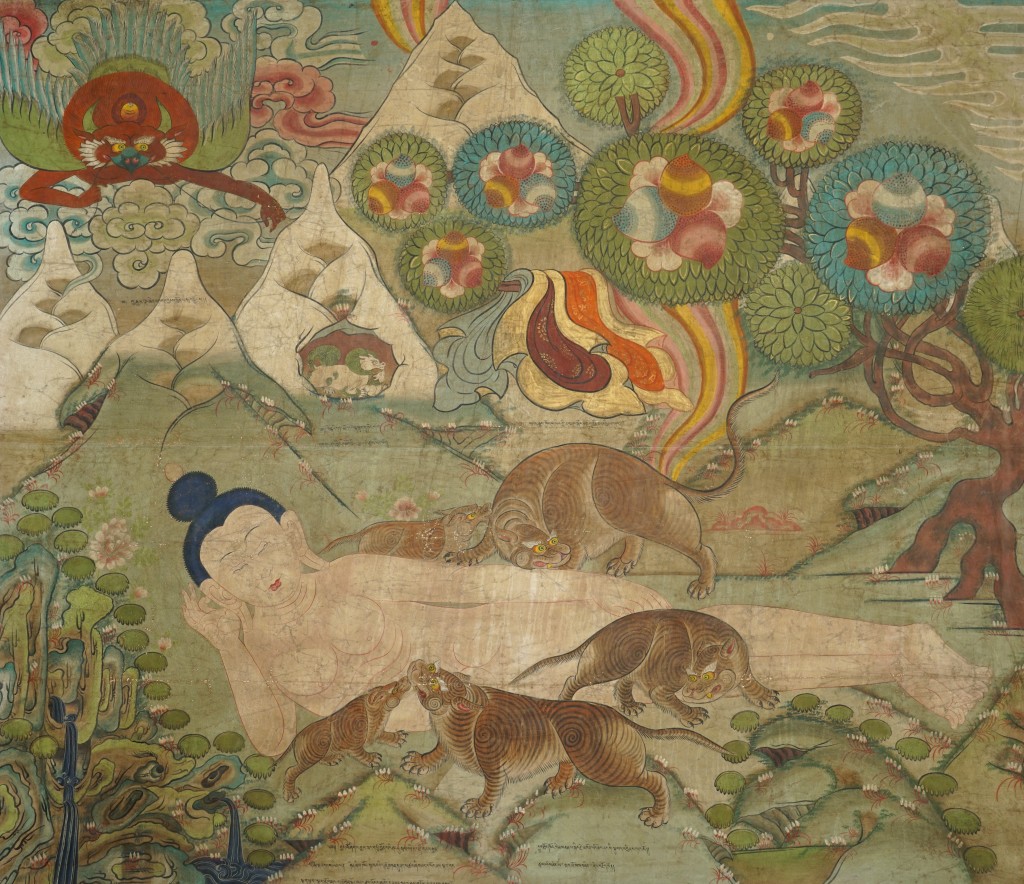
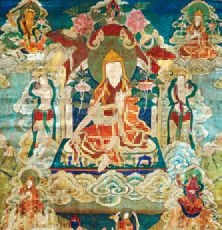
Thangkas, renowned for their meticulous brushwork and vivid colors, are sacred objects in Buddhist practice and spiritual transmission. They are used by monks in rituals and by devotees for worship, and in Tibetan Buddhism hold a position similar to statues in Han Chinese Buddhism.
Each thangka embodies the devotion and skill of its painter, elevating material craftsmanship to spiritual enlightenment, and is considered a spiritual gem of Chinese culture.
Linda Lau Hung Man-yin, trustee of one of the organizers of the event – the Thomas and Linda Lau Family Foundation – said she hopes that showcasing this ancient and unique cultural treasure can bring inner peace and continuity in today’s chaotic world, and bless the motherland and Hong Kong.
Such a rare display deserves to be cherished, she added, as most thangkas, measuring around
two meters tall, are typically displayed in temples and monasteries, and the versions found in private homes are usually only about 50 centimeters in size.
The exhibition of 37 thangkas from Qinghai, Mongolia, and Eastern Tibet, mostly created between the 19th and 20th centuries, is jointly presented by the foundation, SOGO Kai Tak, the Hong Kong Celebrations Association, the HKU Jao Tsung-I Petite Ecole, and Munsel Thangka School of Art (Workshop).
Lau, wife of local entrepreneur Thomas Lau Luenhung, shared her journey with thangkas, saying she was immediately captivated by their exquisite detail and vibrant colors when a friend brought one about 30 years ago. Since then, she has steadily built up a sizable collection, which exceeds 290 pieces now.
Lau describes her relationship with thangkas as mysterious. “I never actively sought them out – they found me,” she said. From her initial awe at their beauty to formally taking refuge in Buddhism two decades ago, her understanding of thangkas has transformed.
“Not everyone can paint a thangka. It requires spiritual cultivation. Each thangka is itself a spiritual practice. These paintings are a silent teaching of the Buddha – each brushstroke carries the painter’s devotion.”
She emphasized that she does not see herself as the owner of thangkas, but merely their guardian. She hopes the exhibition will deepen public understanding of this Tibetan Buddhist tradition and the thangkas’ place in Chinese cultural art, and that in a turbulent world, they might offer some inner peace.
Displaying 37 thangka treasures at once is no easy feat, Lau said, adding that each exhibition puts the paintings at risk due to humidity, so this viewing opportunity is truly precious.
Lau worked with Dr Georgios Halkias of HKU’s Centre of Buddhist Studies to catalog her thangka collection, published in the book Tibetan representations of enlightenment: the Linda Lau collection of Buddhist thangka years ago. The work was well received in European academic and religious circles, as well as by art enthusiasts.
She had planned an exhibition then, but the pandemic delayed her efforts until this year, when she finally secured the Twins venue in Kai Tak, she said.
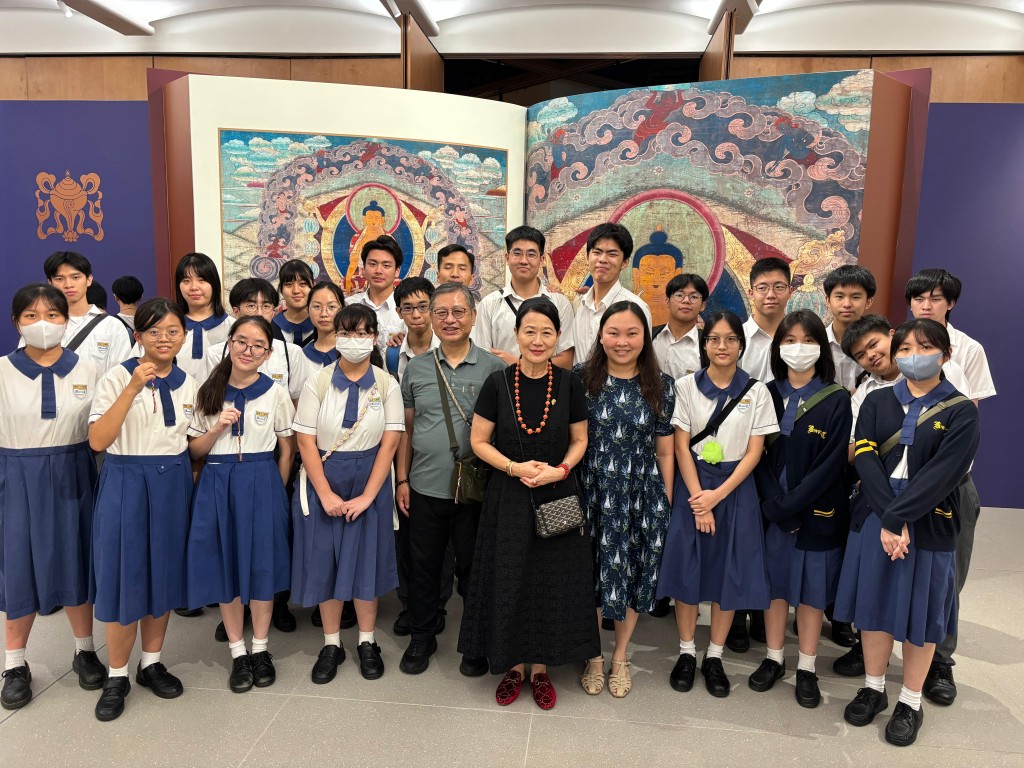
Inside the venue, 30 trained docents with deep knowledge of Buddhism and art are on hand to explain the stories behind each thangka.
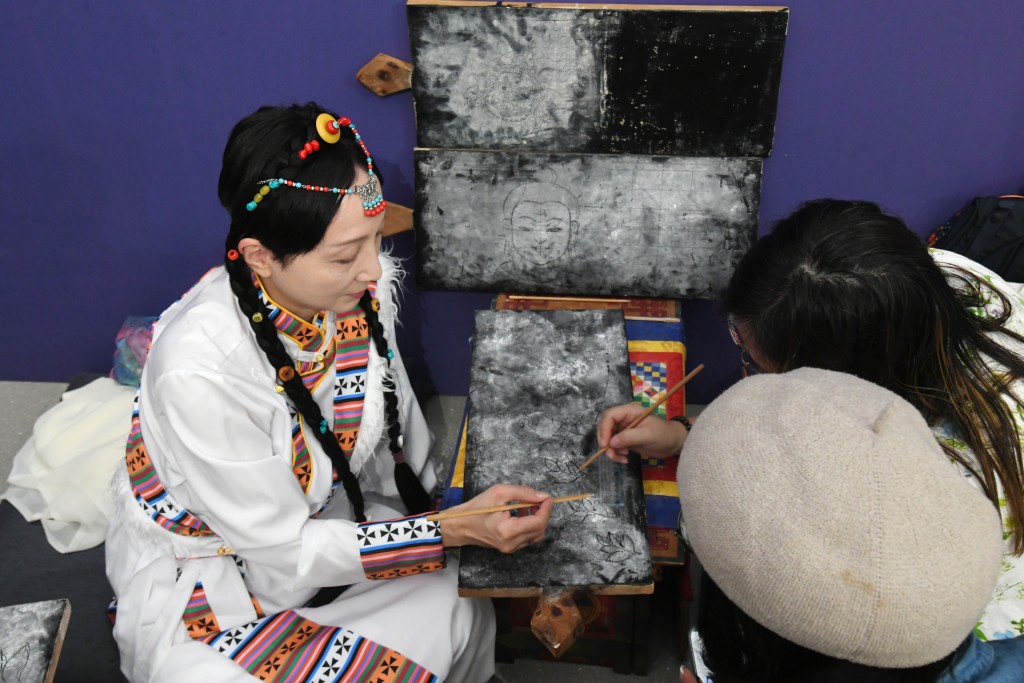
Artists from Munsel Thangka School of Art (Workshop) will demonstrate thangka painting techniques on-site and explain their historical background, so visitors can gain a deeper understanding of the culture, said Lau.
“So there’s no need to worry about not understanding the artwork,” she added.