Read More
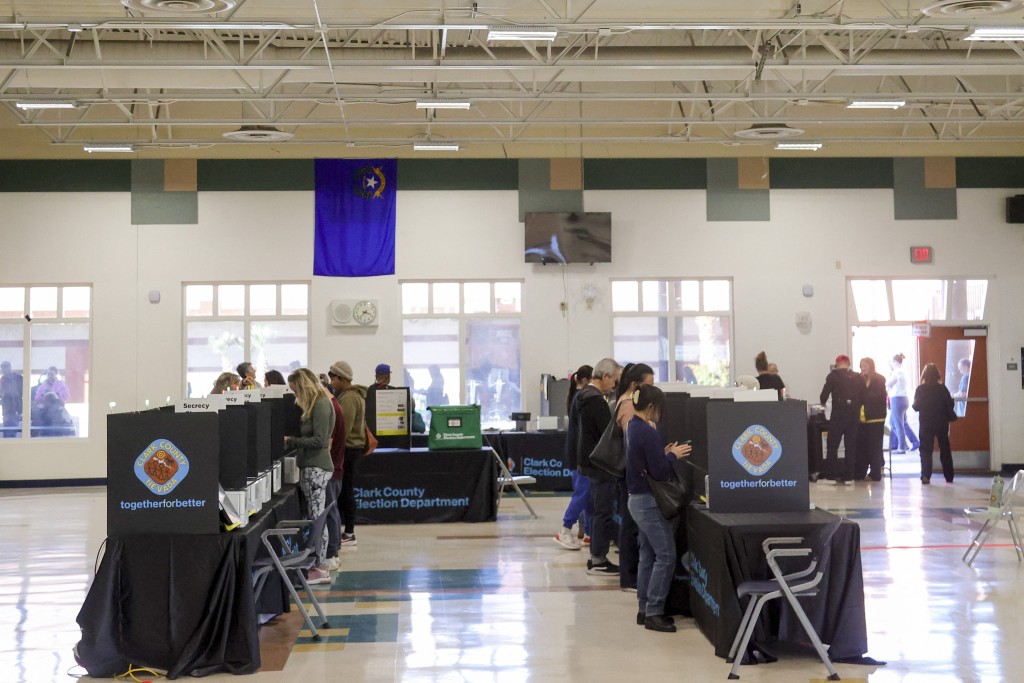
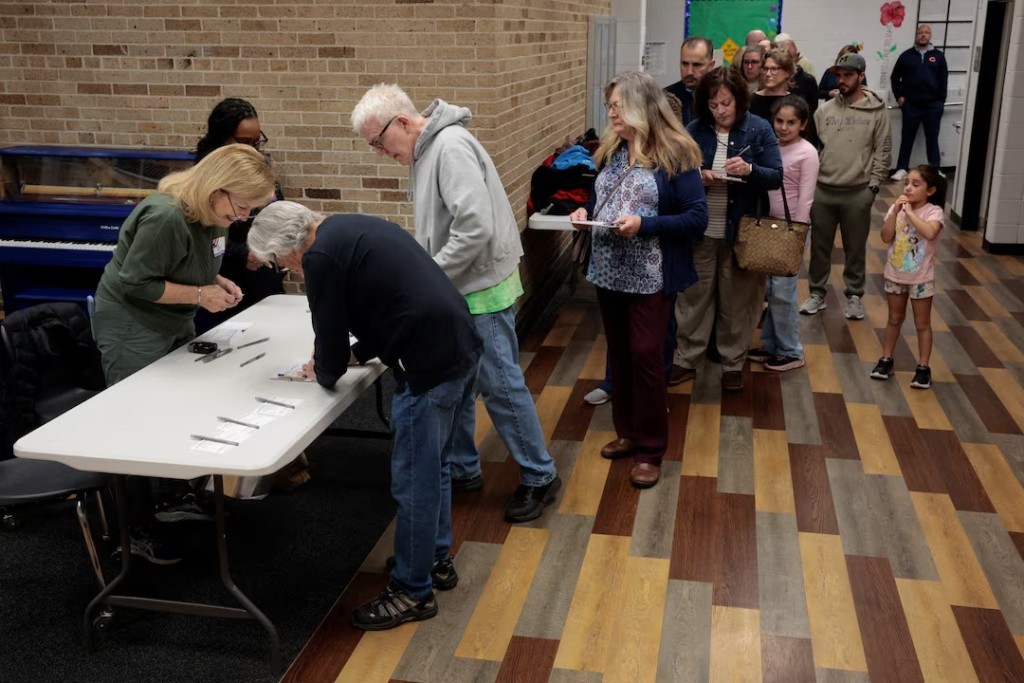


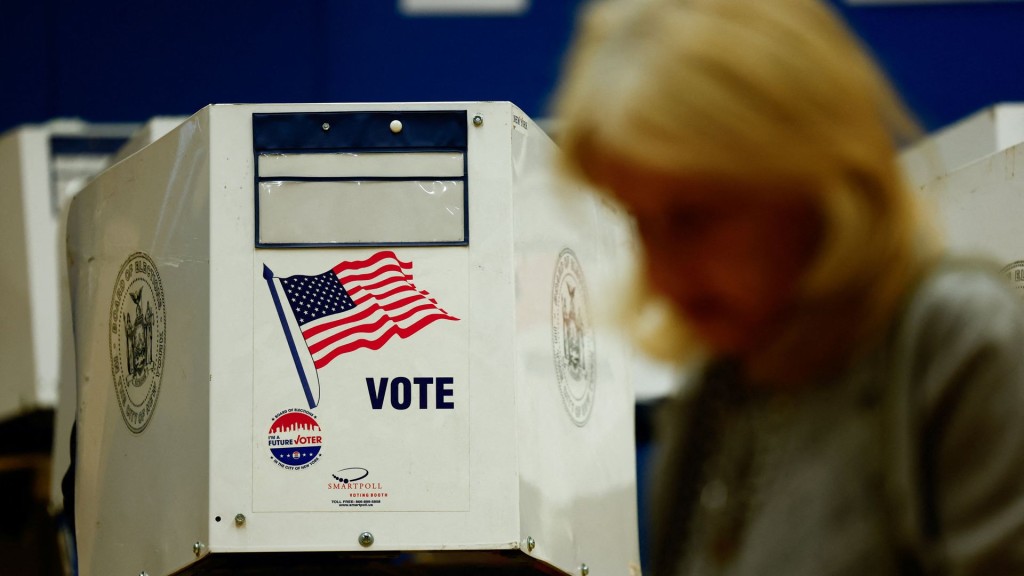

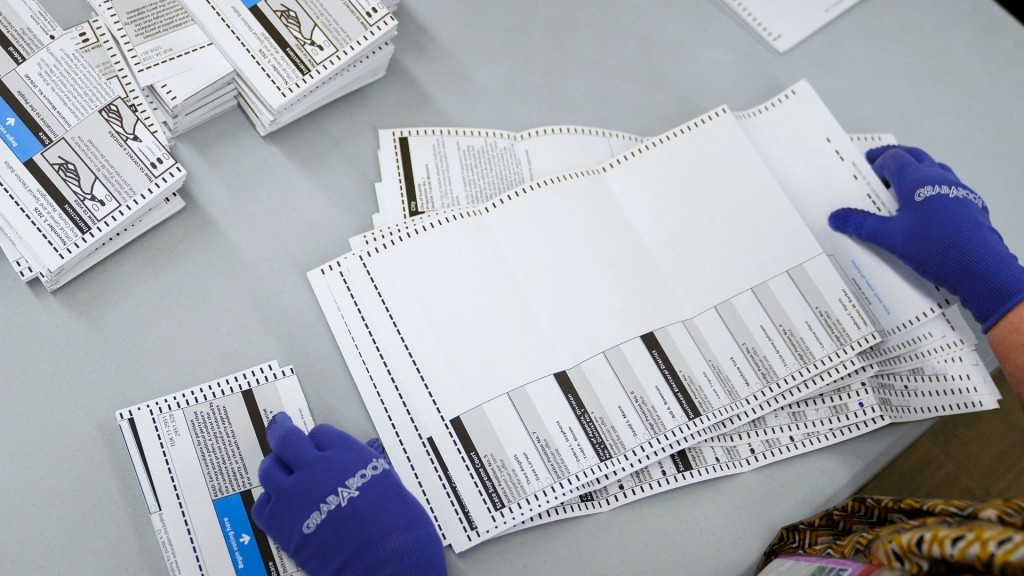
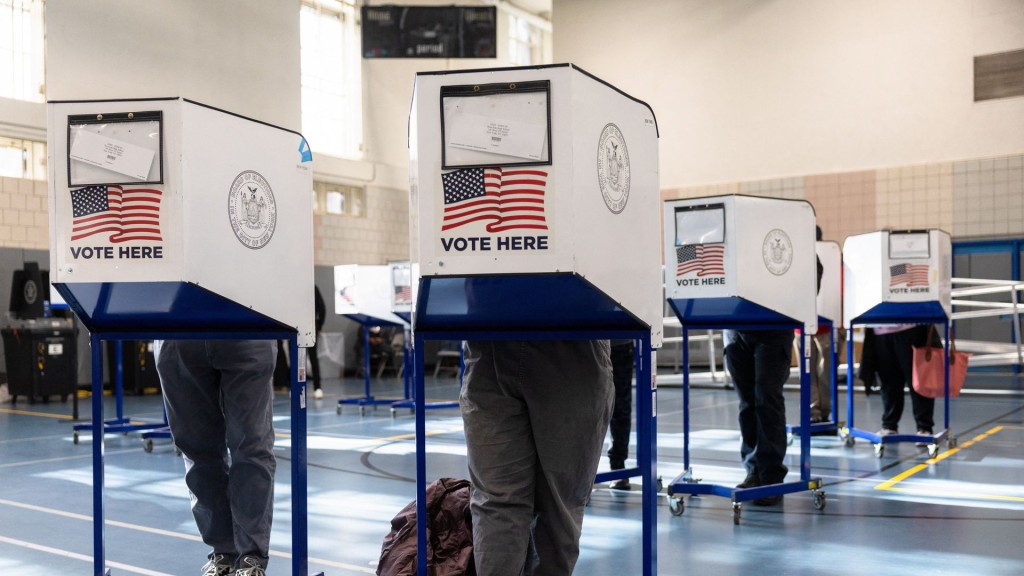




Americans went to the polls on Tuesday in midterm elections that will determine who controls Congress for the final two years of President Donald Trump's term.
Here are some early takeaways from the elections.
Voters rebuked Trump and his agenda, blaming him for stubbornly high prices, with a large majority unhappy about the direction of the country, according to voter exit polls conducted by SSRS on behalf of a consortium of US media outlets that included major television networks and the Associated Press.
The polls showed an electorate in an overwhelmingly sour mood. Many said they feel worse off than two years ago and nearly 9 in 10 identified the cost of living as a crucial or major factor in their vote, signaling that the elections could prove a repudiation of Trump and his Republican Party.
The exit polls were released before any election results were announced, but they offered an early barometer of voter discontent.
When Trump took office, he promised to fix high inflation fast, but a majority of voters said they think his policies - including the Iran war and tariffs on foreign goods - have made the country's economic situation worse.
Nearly two-thirds blamed Trump for high prices, with three-quarters saying they were either angry or dissatisfied with the direction of the country, suggesting a nation hungry for change. Voters also expressed concern over government corruption.
The exit polls suggest Trump's 19-state campaign blitz for Republican candidates in recent weeks has done little to improve his standing with voters.
The coalition of voters that powered Trump’s 2024 victory showed early signs of coming apart on Tuesday.
Republicans saw sharp declines among Black men, Latinos, young voters, evangelical Christians and voters without college degrees, according to the early exit poll data.
Support for Republicans among voters aged 18-29 fell from more than 40% in 2024 to 25% on Tuesday. Among Hispanics, it dropped from nearly half to about a third, while backing among Black men slipped from 21% to 13%.
If the demographic data holds up, voters who favored former Vice President Kamala Harris in the 2024 presidential election, may have represented a bigger share of voters on Tuesday than they did in 2024.
One category of voters who did show up on Tuesday may help Republicans limit losses: voters over 65, who very slightly favor Republicans, represented a larger share of midterm voters than they did in 2024.
Still, lower support for Republicans among several key voter groups could be a drag on Trump's party ahead of the 2028 election and pose a challenge for the Republican presidential nominee to rebuild the coalition.
Notably, there was less enthusiasm among white born-again and evangelical Christians, who favored Republicans by more than a four-to-one margin in this election cycle. They did not turn out in the same numbers as they did in 2024 - shrinking from nearly a quarter of the electorate in 2024 to 17% on Tuesday.
Reuters