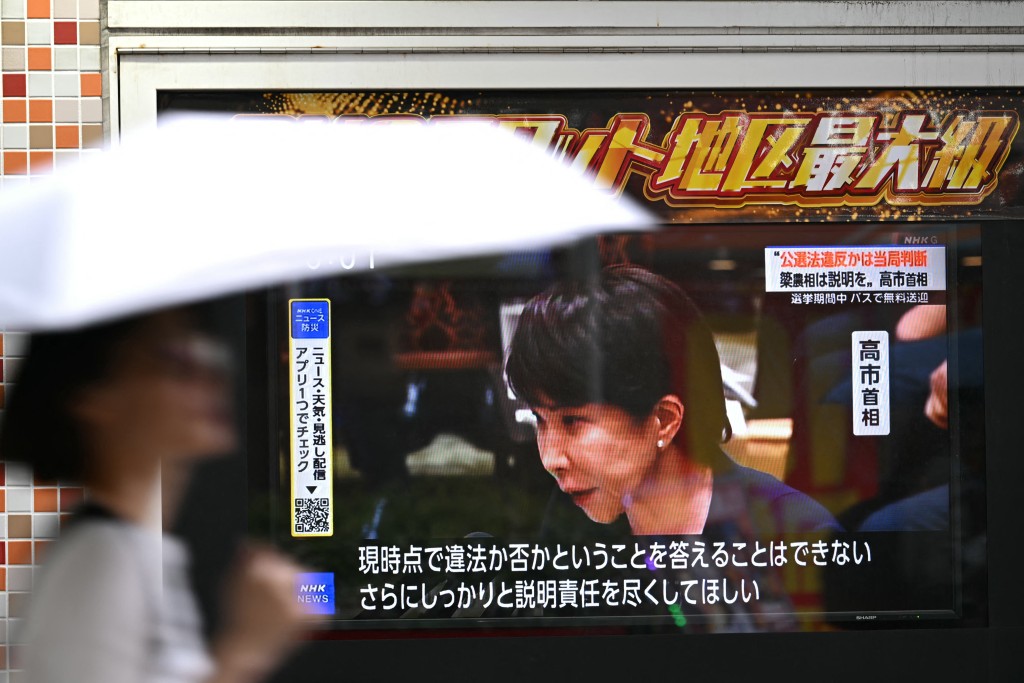
Wednesday marks the first anniversary of Japanese Prime Minister Sanae Takaichi's leadership that has seen her alienate China, rattle markets with her expansive spending and establish herself as a workaholic leader.
Here are five things to know about Japan's first woman prime minister and her time in power so far.
- Spat with China -
Soon after coming to power, Takaichi incurred China's wrath by suggesting that Japan could intervene militarily in the event of an attack on Taiwan, which Beijing claims as its own territory.
Her comment triggered a diplomatic spat that led to China warning its citizens against travelling to Japan and imposing trade restrictions.
Takaichi has placed national defence at the top of her agenda and Japan has been beefing up military spending and security cooperation in Asia, deploying missile launchers to outer islands, moving to acquire "counterstrike" capabilities and easing rules on weapons exports.
Still, Takaichi called Beijing an "important neighbour" in a recent policy address and pledged to build a stable relationship between the rival nations.
The ultraconservative leader also proved pragmatic enough to refrain from visiting a controversial Tokyo shrine honouring war dead, including convicted war criminals, in person -- a gesture that would have provoked fury in China and South Korea.
- Expansive government spending -
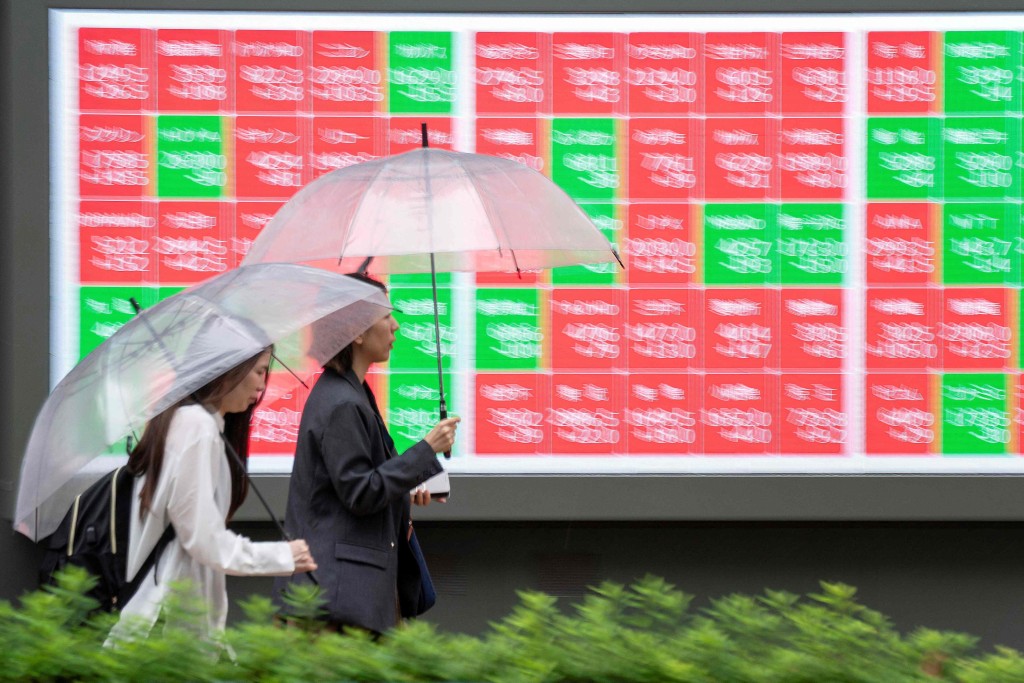
Takaichi's programme of big government spending and the Bank of Japan's relatively low-key interest rate have unnerved the markets and pushed Japan's benchmark bond yield to its highest level in three decades.
The leader has reiterated her commitment to a proactive and responsible fiscal policy, but she is also pursuing a consumption tax cut on food starting next year, despite market concerns about Japan's mounting debts more than double annual economic output.
So far, she has failed to identify around five trillion yen ($32 billion) needed annually to fund it.
- Foreigner policy -
Complaints of overtourism and soaring land prices linked to foreign investment sparked Takaichi's push for tighter control on immigration, despite Asia's number two economy grappling with labour shortages and a shrinking population.
Under her tutelage, Japan toughened rules for permanent residency this month, with foreigners required to have higher annual incomes and greater fluency in Japanese.
Capital requirements for business manager visa holders were also stiffened on top of a sharp increase in visa fees for some tourists for the first time in nearly 50 years.
- Work ethic -
A self-proclaimed workaholic, Takaichi declared she "shall work, work, work, work and work" upon being elected the president of her conservative ruling party.
She has reinforced that image by revealing in an X post -- that was widely derided for "showing off" -- that she sleeps between zero and three hours a night.
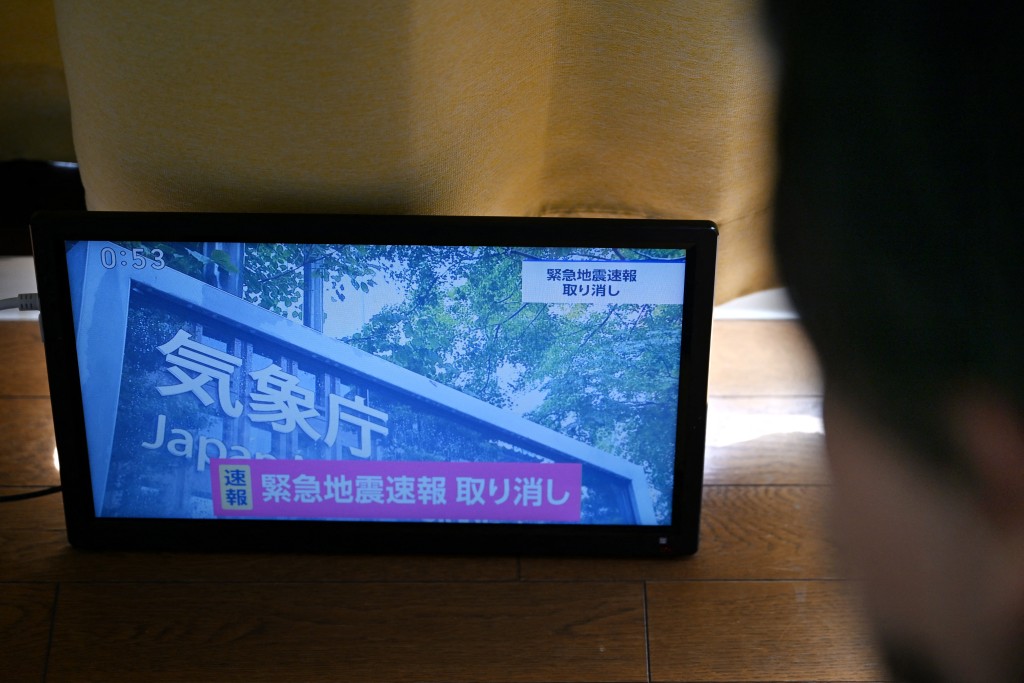
She also said she sometimes schedules 3 am staff meetings.
Her penchant for solitary, late-night perusal of reams of documents brought home from work means she has spent far less time than her male predecessors wining and dining -- a break with Japan's traditional "nighttime politics".
- What's next? -
As Takaichi faces another Liberal Democratic Party (LDP) leadership election next year, and with her lone-wolf tendency costing her intraparty support, the longevity of her government hinges for now on public backing.
The latest opinion polls have suggested a slight dent in her popularity due in part to the resignation of her scandal-hit farm minister, but overall, her approval rates remain fairly strong at around 40 to 60 percent.
AFP