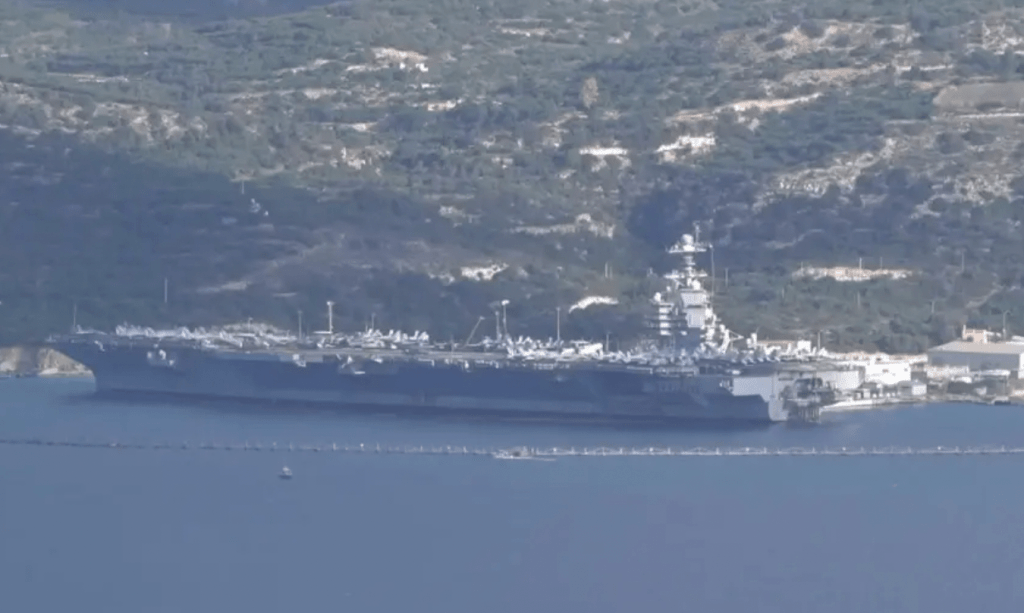
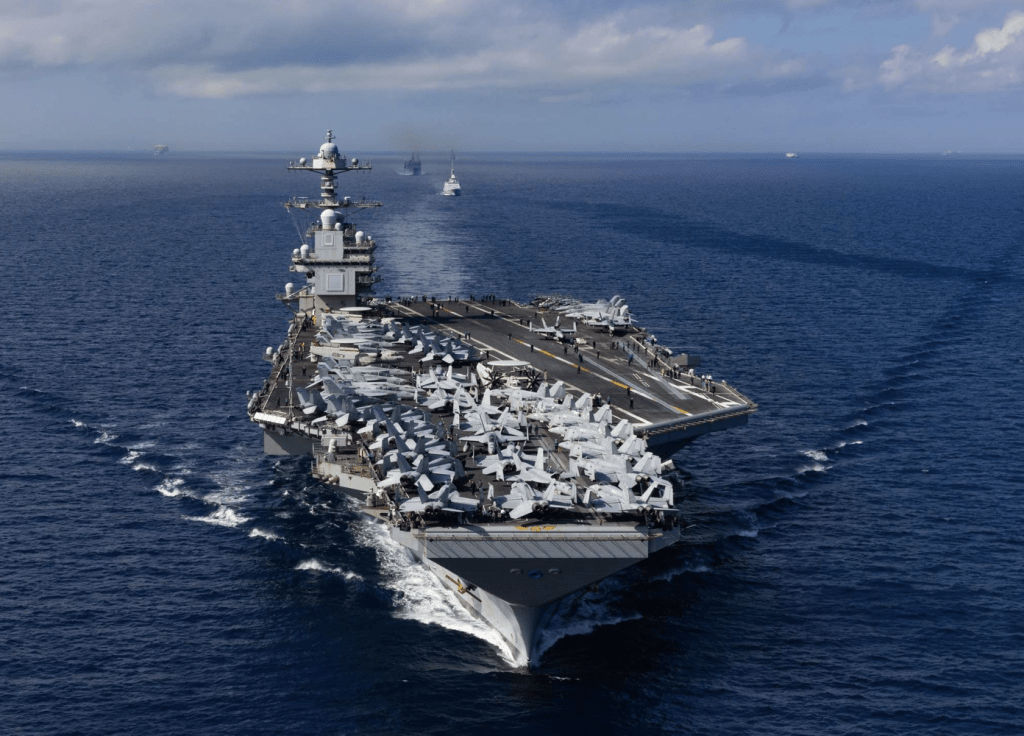
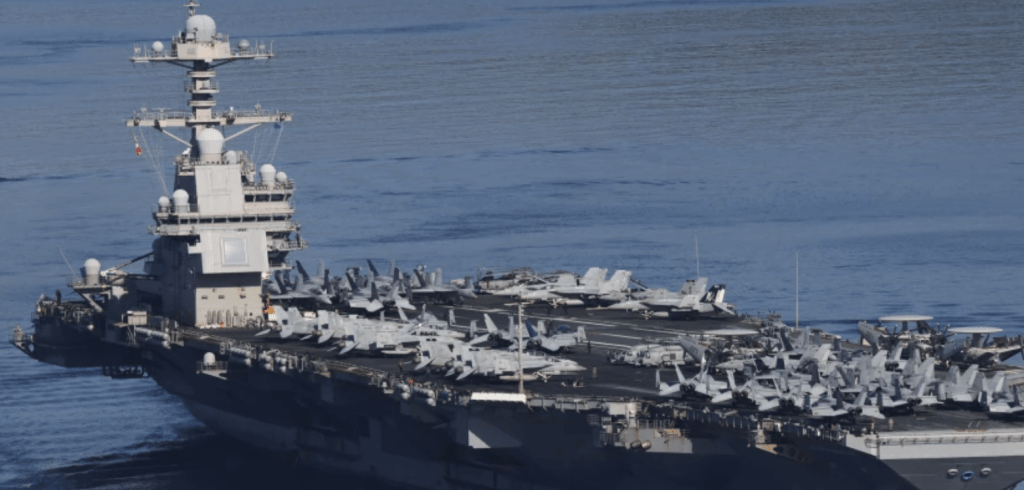
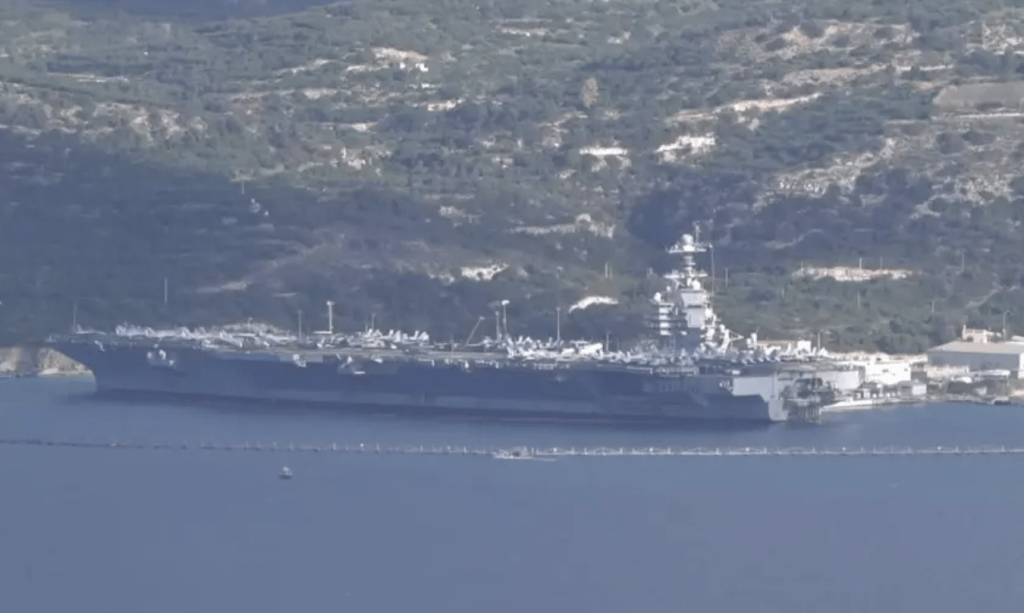
The US Navy's newest nuclear-powered aircraft carrier, the USS Gerald R. Ford, has been forced to withdraw from Middle East operations after a major fire on board, highlighting persistent technical and maintenance concerns for the US$13.2 billion vessel, Bloomberg reported.
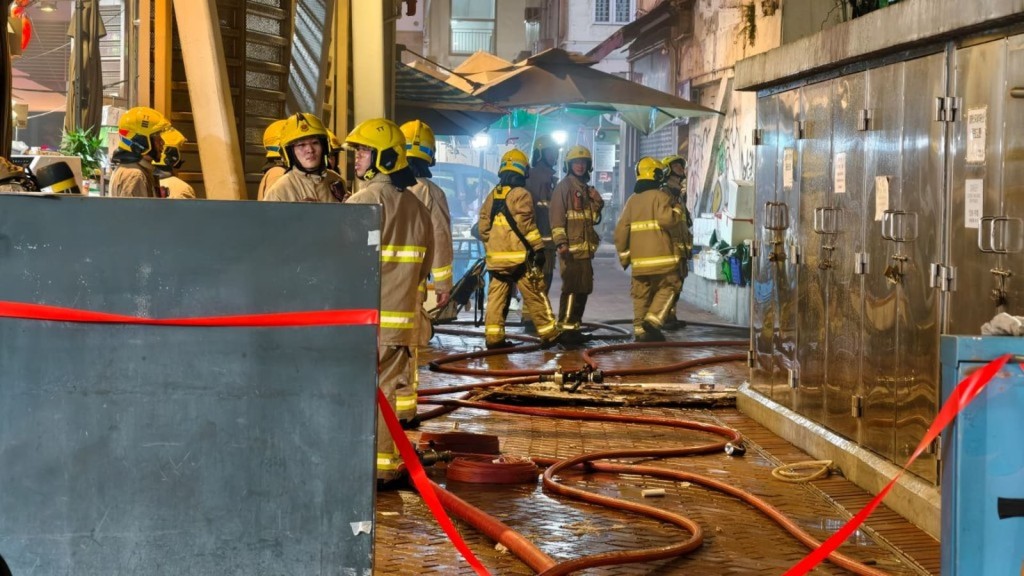
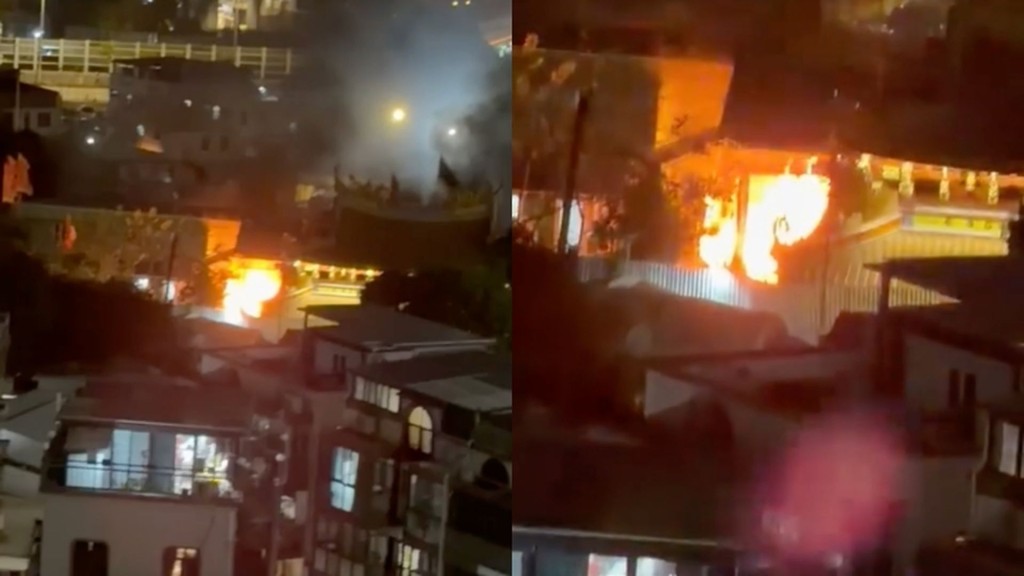
The fire broke out on March 12 in a laundry room at the rear of the carrier while it was conducting missions in the Persian Gulf. Three sailors were injured and more than 200 others required treatment for smoke inhalation. The blaze spread to multiple compartments, destroying a significant number of berths, forcing the 100,000-ton warship to interrupt its deployment.
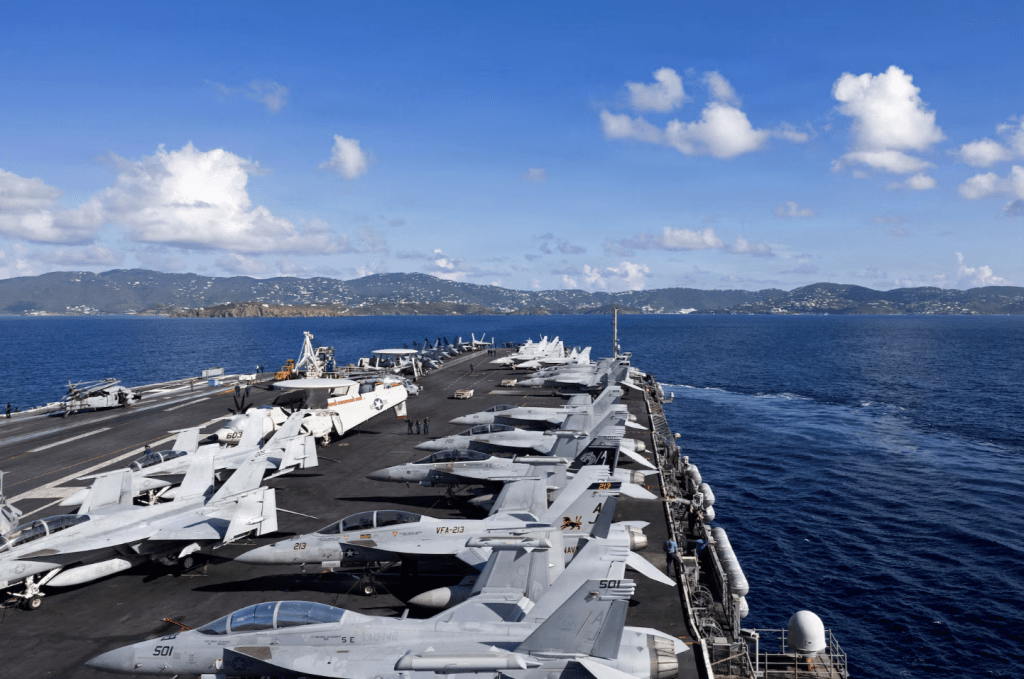
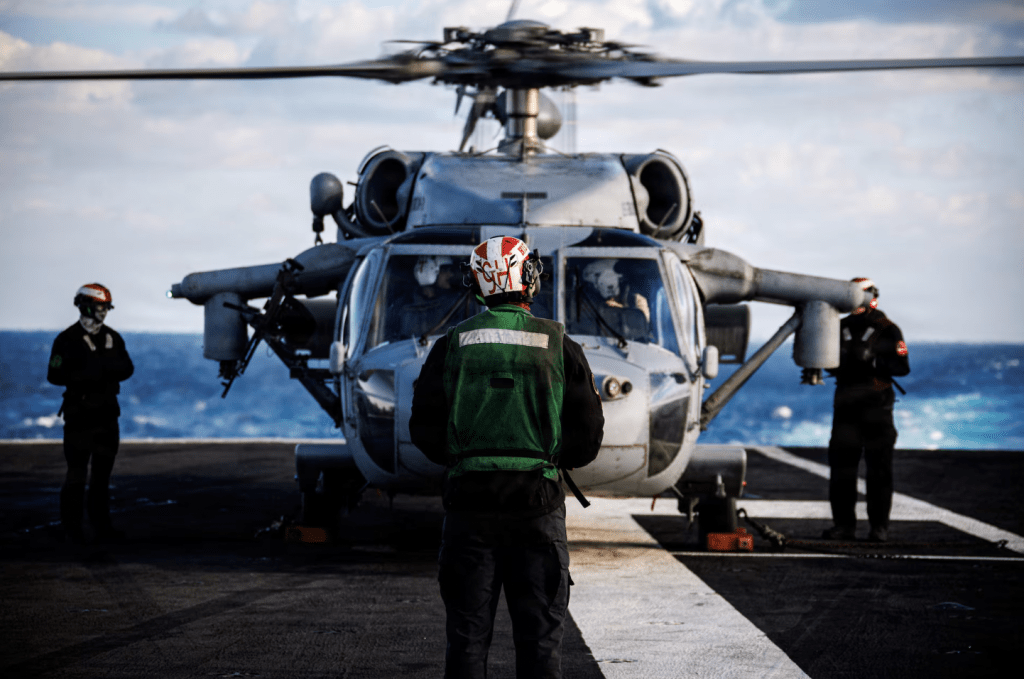
The Ford had been continuously deployed at sea for about nine months since June 2025, participating in US military operations against Venezuela and Iran. Analysts said prolonged high-intensity operations have placed immense strain on both equipment and crew.
A recent Pentagon assessment cited by Bloomberg questioned the carrier's combat effectiveness and reliability. Despite being commissioned in 2017, the report highlighted uncertainties in "system reliability," including a lack of sufficient combat test data for critical systems such as aircraft launch and recovery systems, radar, and weapons elevators. The assessment also noted insufficient data to determine the ship's ability to intercept enemy aircraft, anti-ship missiles, or small attack craft, and pointed to design deficiencies, notably insufficient berthing space for the full crew complement, impacting quality of life.
The Ford's withdrawal comes as President Donald Trump pursues "gunboat diplomacy" to achieve geopolitical objectives in Iran and Venezuela, exposing the strains on US naval assets under sustained high-pressure operations. The Pentagon has not commented on the report.