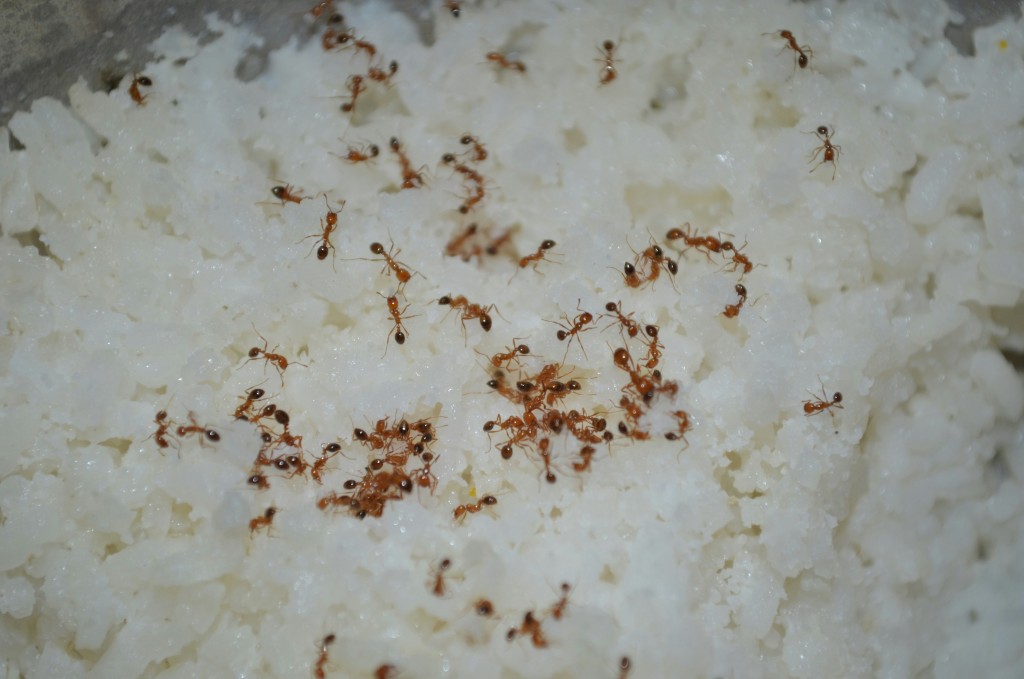
Your home is overrun with ants – you kill them, and more keep coming! Fortunately, you can easily break the ant trail using 8 affordable kitchen staples. A simple mixture of dish soap and water sprayed on surfaces can effectively disrupt their path.
According to Southern Living, ants are common invasive pests that can squeeze into gardens, homes, and tiny crevices. Nearly any food in the kitchen attracts them, and by the time you notice the trail, it's often too late. While severe infestations require professional pest control, using common affordable kitchen items can easily disrupt ant trails. The key to ant control is understanding their scent trails and why they keep coming back. Foraging ants leave chemical trails to guide others to food sources. Eliminating these trails can significantly reduce ant activity. The report lists the following 8 common household items for ant control:
1. White Vinegar
White vinegar is a popular natural remedy for many household problems, including ants. Ants rely heavily on scent for navigation, and vinegar's strong odor easily disrupts these trails. Mix equal parts white vinegar and water, and spray on kitchen countertops, baseboards, window sills, and ant entry points. While it won't kill the colony, it effectively prevents ants from returning to the area.
2. Lemon Juice
Lemon juice's acidity similarly interferes with ant scent trails, leaving your kitchen smelling fresh and clean. Spray diluted lemon juice on door frames, window sills, and any possible entry cracks, or use it to wipe down surfaces where ants have been seen.
3. Cinnamon
That jar of cinnamon powder isn't just for flavoring desserts – its strong, spicy scent makes ants extremely uncomfortable. Sprinkle cinnamon powder near ant entry points, dilute cinnamon essential oil with water for spraying, or place cinnamon sticks inside cabinets for effective repellent action.
4. Coffee Grounds
Placing coffee grounds near ant entry points, potted plants, or outdoor gathering areas leverages their strong odor as a deterrent. You can also mix coffee grounds with hot water and pour the mixture directly onto an ant nest.
5. Baking Soda (Sodium Bicarbonate)
Baking soda is one of the most versatile household items, including for ant control. For a non-toxic DIY trap, mix baking soda with sugar. The sugar attracts ants; after ingestion, the baking soda may react chemically inside them, leading to their death.
6. Dish Soap
Dilute dish soap with water and spray it directly on ants or use it to clean surfaces they've traveled on. This helps wash away the pheromone trails that guide other ants to food sources. Regularly wiping countertops and floors with mild soapy water effectively reduces ant presence.
7. Mint
Dilute peppermint essential oil with water and spray it in any corner where ants might enter. Reapply every few days until ants are gone. However, be cautious if you have pets, as some animals are sensitive to high concentrations of essential oils.
8. Cornstarch
While cornstarch doesn't repel ants, it can be helpful for large groups. Sprinkling a generous amount of cornstarch where ants are gathered can act as a barrier, trapping them in one spot. This method offers temporary relief for large ant swarms but isn't a long-term solution.
The report notes that even the most effective ant control methods must be combined with good prevention habits. Ants are constantly searching for food, water, and shelter. This means even tiny crumbs or damp environments can attract them. Maintain clean countertops, store food in sealed containers, fix leaky pipes promptly, and seal gaps around doors and windows to prevent future infestations. If ant activity persists despite these measures, consider contacting a professional pest control company to identify the ant species and locate the source of the infestation.
Source: Southern Living