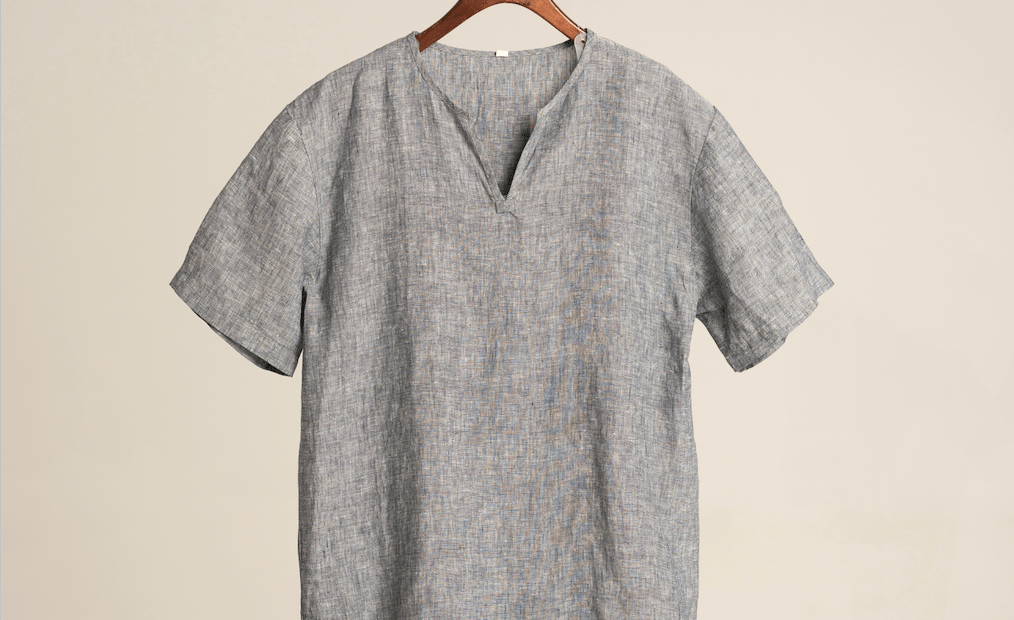
In the hot summer, linen clothing is a staple for many due to its breathability, moisture absorption, and quick-drying properties. However, linen clothes are prone to shrinking, deforming, and wrinkling after washing. By mastering proper care techniques, linen clothes can not only maintain their shape but also become softer and more textured over time. Compiling suggestions from UNIQLO JAPAN and dry cleaning expert Momoka Kondo, Sing Tao Headline has organized a simple and practical guide to washing linen clothing.
Characteristics: Prone to Shrinking, Wrinkling, and Yellowing
Linen is a natural fiber with excellent moisture absorption and wicking capabilities, making it suitable for hot, humid climates. Its fibers are strong and durable, but also have two main "weaknesses":
- Shrinks easily when wet: Linen fibers swell when absorbing water and shrink when drying. If washed improperly, the overall size may shrink by about 10%. Many linen garments are made slightly larger to reserve space for shrinkage. Experts remind that when washing linen items, you must anticipate shrinkage.
- Wrinkles easily: Linen clothes easily develop wrinkles and pilling (fuzz balls) during movement or the drying process.
- Tends to yellow: Linen fibers easily trap dirt. Stains on white linen clothes are particularly noticeable and cannot be removed by regular washing.
Washing Tips: Water Temperature/Spin Cycle Are Key
Caring for linen clothes is not difficult if you master the correct washing points:
- Read the Care Label: The care label on each linen garment specifies the linen content percentage and washing restrictions. Follow it carefully (not all fabrics can be machine washed).
- Use a Laundry Bag and Gentle Cycle for Machine Washing: If using a washing machine, put the garment in a laundry bag. Select the "hand wash mode" or "delicate mode" to reduce friction from water agitation. Using a detergent for delicate fabrics is even better.
- Water Temperature is Key: Because linen is sensitive to high temperatures, hot water can cause severe shrinkage. It is recommended to use lukewarm or cold water below 30°C (86°F). Never use leftover bath water (which is too hot), as it can damage the fibers.
- Short Spin Cycle: Do not spin linen clothes for too long, as the fibers can be compressed and deformed. Remove them immediately after the spin cycle finishes; do not leave them sitting.
How to Handle Yellowing Stains?
Linen fibers have large pores, making them prone to absorbing sebum (skin oils) and sweat, forming yellow stains. It is recommended to use an oxygen-based (enzyme) bleach (gentler on fabric) when washing. Soak in cold water or lukewarm water below 30°C for about 60 minutes to effectively break down protein-based stains.
Drying Tips: Dry in Shade, Smooth Out Wrinkles While Damp
- Avoid Direct Sunlight: UV rays can accelerate fading and yellowing of linen clothes. Choose a well-ventilated, shady place or indoors to dry.
- Smooth Wrinkles While Damp: After removing from the washing machine, while the garment is still damp, gently smooth out wrinkles with your hands, especially around collars, cuffs, and seams. This will significantly reduce wrinkles after drying.
- Air Dry Naturally, Avoid Tumble Dryer: The intense heat of a tumble dryer can cause linen fibers to shrink. Air drying naturally is recommended; avoid using a dryer.
Wrinkle Removal Methods: Iron, Spray Bottle, Bathroom Steam
It is normal for linen clothes to develop wrinkles after drying. Here's how to handle them:
- Steam Iron: After drying, use a steam iron to press out wrinkles. If left alone after drying, wrinkles will become more pronounced.
- Spray Bottle: To reduce wrinkles after drying, lightly spray with a spray bottle. Smooth out wrinkles by hand, then hang to dry again.
- Bathroom Steam: If you don't have a steam iron or spray bottle, hang the garment in the bathroom. Use the steam from your shower to soften the linen fibers, then gently smooth out the wrinkles.
Linen clothing is durable and comfortable. By avoiding high heat, shortening the spin cycle, drying in the shade, and ironing when needed, you can keep it in good condition for a long time. If the garment is expensive or you are worried about damaging the fabric, consider leaving it to a professional dry cleaner.
Sources: UNIQLO JAPAN, Dry Cleaning Expert Momoka Kondo