Are mangoes a healthy fruit or a weight loss taboo? Can diabetics never touch mangoes? A nutritionist emphasizes that mangoes are rich in vitamin C and are definitely a superfood. The real problem is never the mango itself, but rather that people often unknowingly turn it into an alarming "calorie bomb"! A professional nutritionist shares a unique pairing formula, allowing everyone to safely enjoy the deliciousness of mangoes in summer.
Measuring with a Rice Bowl is Most Accurate
Nutritionist Zhang Kin-ming points out that in clinical consultations, he often sees two extreme attitudes toward mangoes: the indulgent type, who think all fruit is healthy and end up eating an entire large Jinhuang mango at once; and the fearful type, who, worried about blood sugar spikes or weight gain from its high sweetness, are too scared to touch it at all. He emphasizes that while fruit is healthy, it still contains sugar. Mangoes, with their high sweetness and smooth texture, are very easy to eat bite after bite, leading to excessive intake.
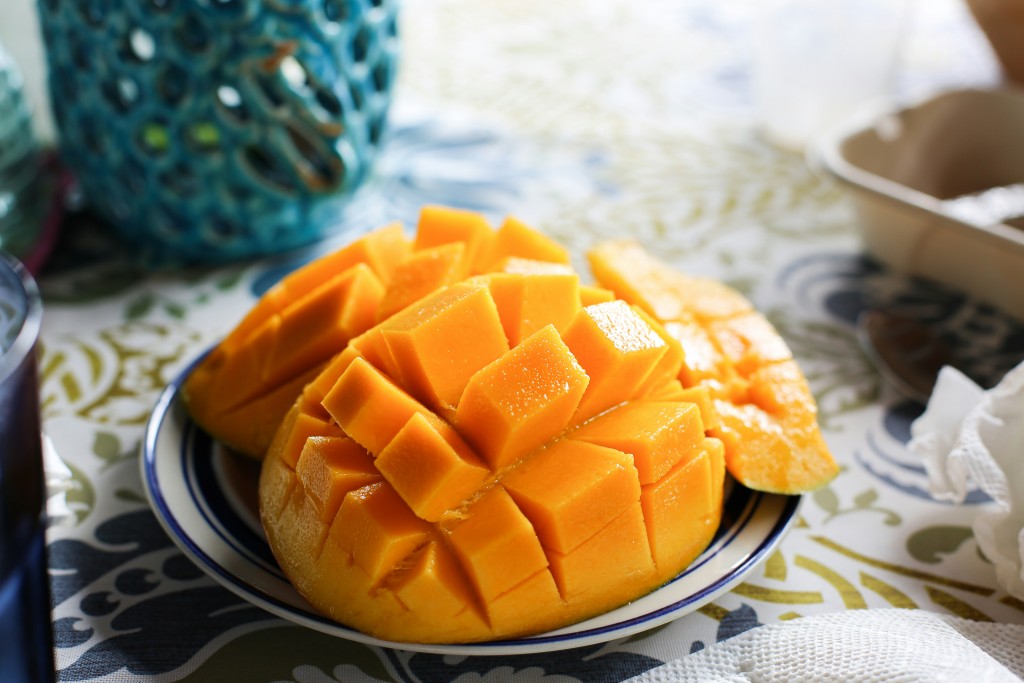
Zhang explains that a serving of cut mango pieces, roughly filling half to 80% of a standard rice bowl, equals the standard serving size of "one serving of fruit." For a small Aih-wen mango, about half a mango is sufficient; for a large Jinhuang mango, perhaps a quarter already meets the standard. He emphasizes that the key point is never "can you eat it?" but rather, "are you eating one serving of this meal, or three?" As long as you control the portion each time, you can effectively avoid excess calories.
Nutritionist Shares the Golden Pairing Formula for Mangoes
Zhang reminds us that eating a large bowl of plain mangoes can easily cause rapid blood sugar fluctuations and excess calories. However, by skillfully using "protein" and "fiber or healthy fats" to lock in satiety, you not only greatly increase fullness but also prevent the body from simply taking in large amounts of sweetness. He shares the following 3 smart ways to eat mangoes:
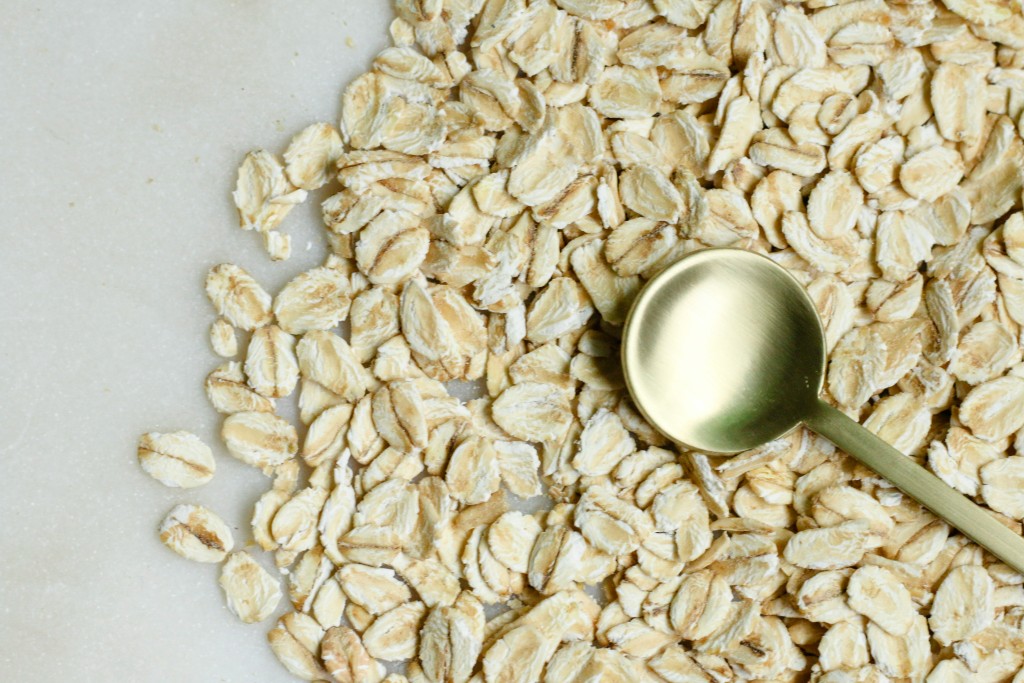
- Unsweetened Yogurt with Mango Pieces: When a craving for an afternoon snack hits, instead of reaching for a hand-shaken drink or cake, try this combination. Use unsweetened yogurt as the base to supplement high-quality protein. Use mango as a flavor accent (control to half to one serving). Finally, sprinkle with a small amount of unsalted nuts or oats. This is definitely much healthier than high-sugar mango pudding or cream desserts.
- Add to Unsweetened Soy Milk for Aroma: Many people love mango smoothies in summer. However, blending fruit into juice can easily lead to unknowingly consuming excessive amounts, and drinking too quickly strains insulin. Zhang suggests adding a small amount of mango pieces to unsweetened soy milk instead. This adds natural fruit aroma to the soy milk without turning the fruit into "pure sugar water," making it very suitable for those trying to lose weight.
- Incorporate Mango into Main Dishes as a Natural Sauce: Mango doesn't have to be just a dessert. Zhang highly recommends incorporating mango into main courses. Try making "mango chicken salad" or "mango shrimp salad." Using the high-quality protein from chicken breast or shrimp, along with the natural sweet-sour flavor of mango, not only saves you from high-calorie Thousand Island or other salad dressings but also makes the entire dish refreshing and light.
Paired with Condensed Milk or Ice Cream Turns into a "Dessert Bomb"
Additionally, Zhang specifically points out the common mistake of eating mango with condensed milk, vanilla ice cream, or shaved ice. At this point, it's no longer a daily fruit; its calorie content rises exponentially. Also, many people habitually eat dried mango while binge-watching shows, simultaneously drinking a sugary hand-shaken beverage – this is a dangerous combination that easily causes both calorie and blood sugar levels to explode.
Zhang also reminds that if a meal already includes an extremely rich lunch box, like fried pork chop rice, and you then cram in a large bowl of mango afterwards, your metabolic burden is too high. He suggests that if you plan to eat mango that day, moderately reduce the portion of rice in your meal, choose steamed or grilled main dishes, and eat plenty of vegetables to balance the total calories for that meal.
Mango Eating Guide for 3 Groups
Addressing different constitutions and age groups, the nutritionist offers the following tailored advice:
- Those Trying to Lose Weight: Schedule mango consumption for "afternoon snack time" and pair it with yogurt or soy milk. Remember the "Four No's": don't juice it, don't add extra sugar, don't turn it into a frozen dessert, and strictly control the portion to within one serving.
- Diabetics: Start with "half a serving" each time. Eat it between meals, and must pair it with protein foods to slow down sugar absorption. If you use continuous glucose monitoring (CGM), this is a good opportunity to observe your post-meal blood glucose curve and find your optimal individual tolerance level.
- Elderly: Family members should avoid cutting a large bowl of mango for seniors just because it's healthy fruit. Also, because mango flesh is slippery, for seniors with poor teeth or weaker swallowing function, remember to cut it into small pieces and remind them to chew slowly to prevent choking accidents.