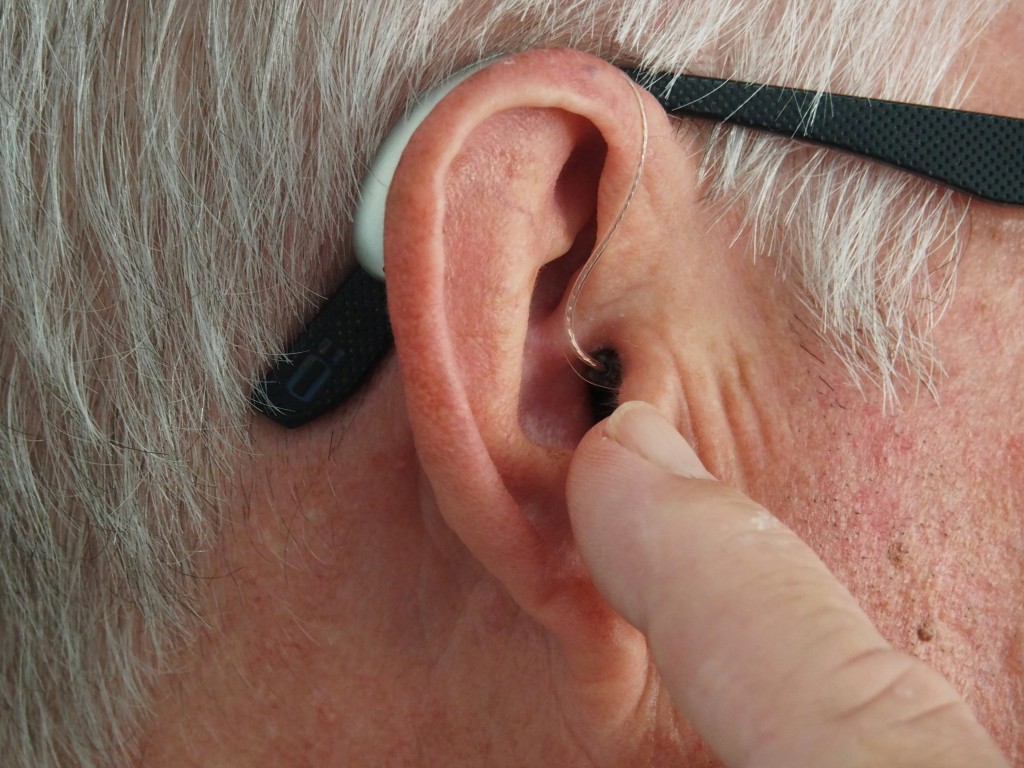
You know you shouldn't pick your ears, but you still can't stop? An ENT (ear, nose, and throat) doctor points out that he sees patients with inflammation from excessive ear picking almost daily, with severe cases requiring hospitalization. Is ear picking truly addictive?
Why Does Ear Picking Become "Addictive"?
According to Japanese media reports, ENT doctor Dr. Rintaro Otoshi states that research has found that scratching the ear stimulates the brain's "reward system" – the same area activated when enjoying delicious food or receiving money. Simultaneously, the scratching process inhibits the pain perception area in the brain. Therefore, using a force that is "slightly painful" paradoxically feels the most comfortable. However, "itching" is actually the body's signal saying "don't touch." Once you scratch, the healing tissue gets damaged again, creating a vicious cycle.
The Ear Canal Cleans Itself – No Need to Pick
The ear canal has an automatic cleaning function. The skin deep inside the outer ear canal acts like a conveyor belt, slowly pushing out old keratin (earwax) outward. Actions like talking or chewing also help expel earwax. Therefore, under normal circumstances, there is no need to scratch the ears at all. Only when the ear canal is narrow or earwax buildup causes a blockage should an ENT doctor be consulted.
The American Academy of Otolaryngology once issued earwax "care guidelines," urging people: "Don't put anything smaller than your elbow into your ear." Cotton swabs, hairpins, earplugs, toothpicks, and similar items can damage the ear, leading to ear canal tears, eardrum perforation, or dislocation of the hearing bones (ossicles).
Potential Health Risks of Ear Picking
Otoshi analyzes that ear picking can cause the following adverse effects:
- Earwax Impaction: Tools like cotton swabs push earwax deeper into the canal, blocking it. This contradicts the ear's automatic cleaning function (outward earwax migration).
- Injury and Infection: A US study showed that between 1990 and 2010, over 260,000 children visited emergency rooms for ear injuries caused by cotton swabs, with one-quarter resulting in eardrum perforation. Nearly 30% of adults have also experienced pain or hearing loss from ear picking.
- Long-term Irritation May Cause Cancer: A Japanese study found that among 68 patients with outer ear canal cancer, 52 cases were in the right ear and 16 in the left, correlating with the majority being right-handed and habitually using their right hand to pick their ears. The risk was higher with hard metal ear picks.
3 Principles for Proper Ear Care
When your ears occasionally itch, first try to tolerate it. If the itching persists, apply a thin layer of petroleum jelly at the ear canal opening, being careful not to spread it inside. Follow these 3 points to properly care for your ears:
- Reduce the frequency of ear picking: No more than once a month; ideally, don't pick at all.
- Don't injure the skin: If you absolutely must remove something, only take out naturally loosened earwax that has migrated out. Avoid rubbing the skin. Never use metal ear picks; choose bamboo or products with rounded tips instead.
- Seek medical help for blockages: If earwax is impacted, go to an ENT clinic for professional removal.
Source: President Online