Staring at phones and computers for long periods can easily lead to dry, tired eyes. Besides taking supplements, what can you eat to protect your eyes? A nutritionist recommends 6 natural, lutein-rich foods. Pairing them with one type of food (healthy fats) during meals can double the absorption rate.
Nutritionist Yeung Si-ham posted on her Facebook page that modern life is inseparable from phones and computers. Staring at screens for long hours has made lutein one of the most inquired-about nutrients in recent years. Many people think that supplementing lutein requires taking capsules. However, many natural eye-healthy foods are hidden in everyday diets. She lists 6 major categories of natural foods rich in lutein (approximate content per 100g of edible portion):
6 Lutein-Rich Foods for Eye Health
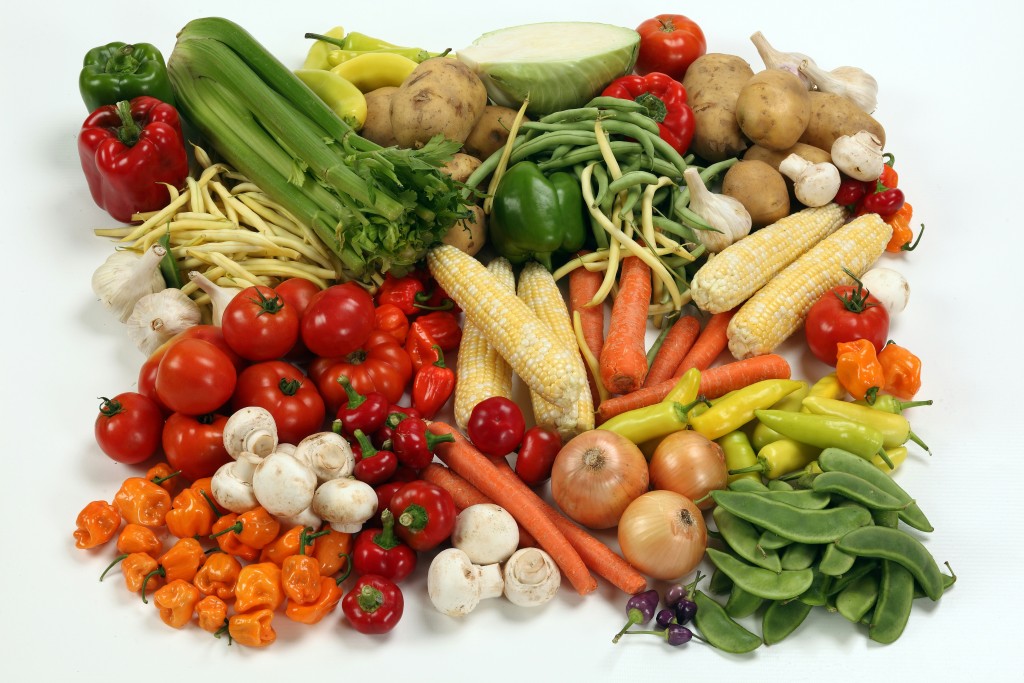
1. Vegetables
- Kale (approx. 18.0 mg): Extremely high content, making it the undoubted king of lutein.
- Spinach (approx. 12.0 mg): Easy to buy, offering excellent value for eye health.
- Sweet Potato Leaves (approx. 7.0 mg): A common, affordable ingredient, high in fiber and very rich in lutein.
- Chinese Kale / Gai Lan (approx. 6.0 mg) and Broccoli (approx. 1.4 mg): Also essential eye-healthy vegetables on the dining table.
2. Whole Grains & Tubers
- Pumpkin (approx. 1.5 mg): Rich in phytochemicals and lutein, a good low-GI staple food option.
- Corn (approx. 0.7 mg) and Baby Corn (approx. 0.4 mg): Naturally sweet, very suitable as a daily side dish for children.
3. Legumes, Fish, Eggs, and Meat
- Edamame (approx. 1.4 mg): Not only a high-quality plant protein, but its lutein content is also impressive among legumes.
- Egg Yolk (approx. 1.1 mg): Although total content is lower than dark green vegetables, the lutein in egg yolks has very high bioavailability (easy for the body to absorb). Therefore, don't throw away the yolk when eating eggs. (Whole egg approx. 0.3 mg).
4. Oils, Nuts, and Seeds
- Pistachios (approx. 1.2 mg): The lutein champion among nuts.
- Pumpkin Seeds (approx. 0.07 mg) and Sunflower Seeds (approx. 0.05 mg): Although content is lower, moderate intake provides healthy fats that aid lutein absorption.
5. Fruits
- Avocado (approx. 0.3 mg): Rich in healthy fats itself, making it a perfect partner for lutein.
- Kiwi (approx. 0.1 mg), Orange (approx. 0.08 mg), Grapes (approx. 0.07 mg): Provide trace amounts of lutein and various phytochemicals.
6. Dairy Products
- Milk (approx. 0.01 mg), Plain Yogurt (approx. 0.02 mg), and Cheese (approx. 0.03 mg) have very minimal lutein content. Dairy products are excellent for calcium supplementation, but if your goal is eye health, there's no need to specifically seek lutein from dairy.
2 Tips for Eating Lutein-Rich Foods: Pair Vegetables with 1 Type of Food to Double Absorption
Yeung also provides 2 tips to maximize lutein absorption:
- Pair with Healthy Fats for Double Absorption: Lutein is a fat-soluble vitamin. If you only eat boiled vegetables, your body struggles to absorb it. When cooking dark green vegetables, add a small amount of healthy fat, such as stir-frying with olive oil, or eat them with foods rich in healthy fats like avocado, nuts, or egg yolk for better absorption.
- Prioritize Whole Foods: The lutein content in food can vary slightly depending on the variety, ripeness, and cooking method. Therefore, consuming a diverse range of whole foods is the true key to maintaining eye health.
Source: Nutritionist Yeung Si-ham